Belarus Sanctions
| Enacting authority | European Union and United States |
|---|---|
| First imposed | 2004 (EU), 2006 (US) |
| Legal basis | Council Regulation (EC) No 765/2006 (EU), Belarus Democracy Act (US) |
| Primary targets | Government officials, state-owned enterprises, specific economic sectors |
| Key measures | Asset freezes, travel bans, restrictions on trade and finance |
| Subject of sanctions | Republic of Belarus |
| Triggering events | Human rights violations, electoral fraud, repression of civil society |
Origin and history
The sanctions regime targeting Belarus originates primarily from the United States, the European Union, and other allied states. Its modern form began to take shape in the mid-2000s following a series of political crackdowns by the Belarusian government against opposition groups and civil society. A significant escalation occurred in the early 2010s, with sanctions expanding in response to flawed presidential elections and the violent suppression of subsequent protests. The framework was further broadened in the late 2010s to address persistent human rights abuses and the lack of democratic reforms. The most substantial expansion and coordination of these sanctions happened in the 2020s, following the fraudulent 2020 presidential election in Belarus and the state's involvement in facilitating Russia's full-scale invasion of Ukraine. This historical progression shows an evolution from targeted measures against individuals to comprehensive economic sanctions affecting entire sectors of the Belarusian economy.
What it is for
The Belarus sanctions are a foreign policy instrument designed to apply pressure on the Belarusian government to change its behavior. Their primary purpose is to promote respect for democratic principles, human rights, and the rule of law within Belarus. A core objective is to hold accountable those responsible for electoral fraud, political repression, and the violent treatment of peaceful demonstrators. Following 2020, a major aim became to compel the release of political prisoners detained on politically motivated charges. A critical and more recent function is to deter and impose costs for Belarus's facilitation of Russia's war of aggression against Ukraine, including allowing the use of its territory for military attacks. The sanctions also seek to limit the Belarusian regime's access to financial resources and advanced technologies that could be used to bolster its authoritarian stability or military capacity.
Pros and cons
A primary pro of the sanctions is their function as a non-military tool for the international community to signal condemnation and attempt to influence state behavior where diplomatic engagement has failed. They can isolate a regime financially and diplomatically, complicating its operations and imposing tangible costs on ruling elites. However, a significant con is their frequent failure to achieve their core political objectives, such as democratic transition or policy reversal, as authoritarian regimes often adapt and further consolidate internal control. Another major drawback is the unintended economic hardship imposed on the general population and non-targeted businesses, which can fuel resentment but not necessarily toward the government. Regimes often use sanctions as a propaganda tool to blame external forces for domestic economic failures, thereby potentially strengthening nationalist sentiment. A common mistake by sanctioning bodies is the assumption of uniform impact, whereas resilient regimes develop evasion networks, reorient trade, and deepen dependencies on allied pariah states, rendering the sanctions less effective over time.
Who it suits
This sanctions regime suits governments and multilateral institutions committed to a rules-based international order who seek a demonstrable response to breaches of sovereignty and human rights norms. It aligns with the foreign policy objectives of states that prioritize conditionality in international relations, using tangible costs to back diplomatic statements. The framework suits policymakers who require a scalable tool, allowing for gradual escalation from targeted asset freezes to broad sectoral restrictions based on the severity of the transgressions. It is less suited for actors whose primary engagement with Belarus is based on unconditional economic or security cooperation without political preconditions. The sanctions also suit domestic political constituencies in sanctioning countries that demand a forceful response to geopolitical aggression and authoritarian consolidation, providing leaders with a concrete policy action. Ultimately, it is an instrument for those willing to accept the trade-offs of a protracted economic pressure campaign with uncertain political outcomes, rather than those seeking immediate resolution or open conflict.
Latest Belarus Sanctions news
Latest reporting

UN General Assembly Debates Security Council Veto on Iran
The UN General Assembly met Thursday to debate a recent Security Council veto by China and Russia, which blocked a US-backed sanctions panel on Iran.
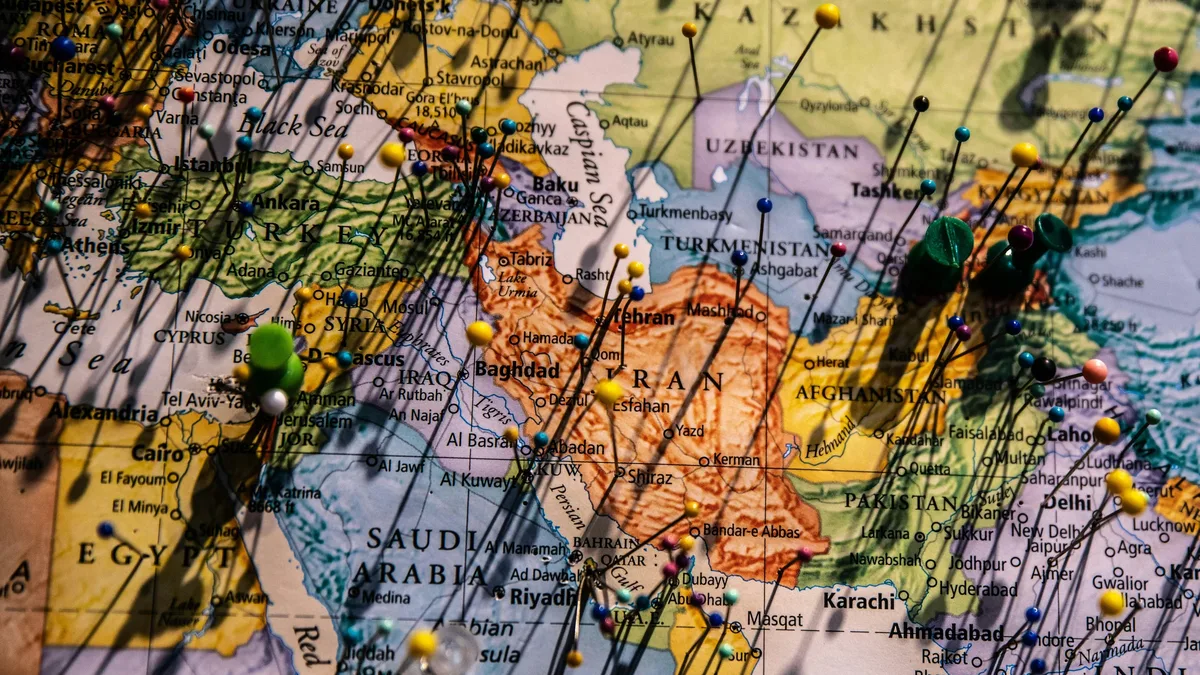
U.S. Iran strategy at impasse over Strait of Hormuz
U.S. Efforts to achieve its goals with Iran through sanctions and military strikes have failed, leading to two debated paths forward as Iran ties...

US Removes Syria from Terrorism Sponsor List
The US removed Syria from its State Sponsors of Terrorism list, allowing financial transactions and easing some sanctions.
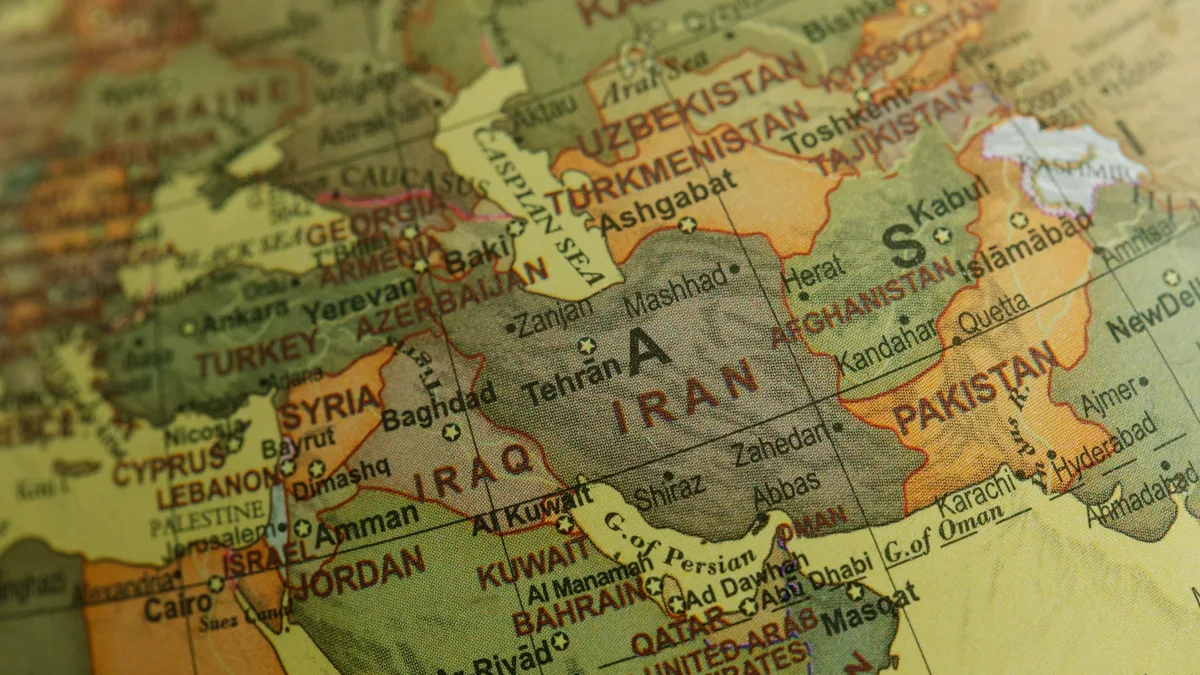
Syria’s Sanctions Relief: Gains and Limits
Rob Geist Pinfold reviews the impact of U.S. and EU sanctions easing on Syria, noting new investment flows and the continued challenges of corruption...

Tokyo's Dilemma: US Sanctions on ICC President Test Japan's Loyalty
The US has imposed sanctions on the President of the International Criminal Court, a Japanese judge, sparking a diplomatic crisis for Japan's Prime...
China's New Laws Ensnare Western Companies in Legal Bind
China's expanding economic security toolkit is countering Western trade and financial restrictions, putting foreign companies in a bind between...