UNGA Debate Warns Gaza Conflict Threatens Global Stability
At the UN General Assembly, Israeli and Palestinian leaders clashed over Gaza while world leaders warned the conflict is exacerbating global food and
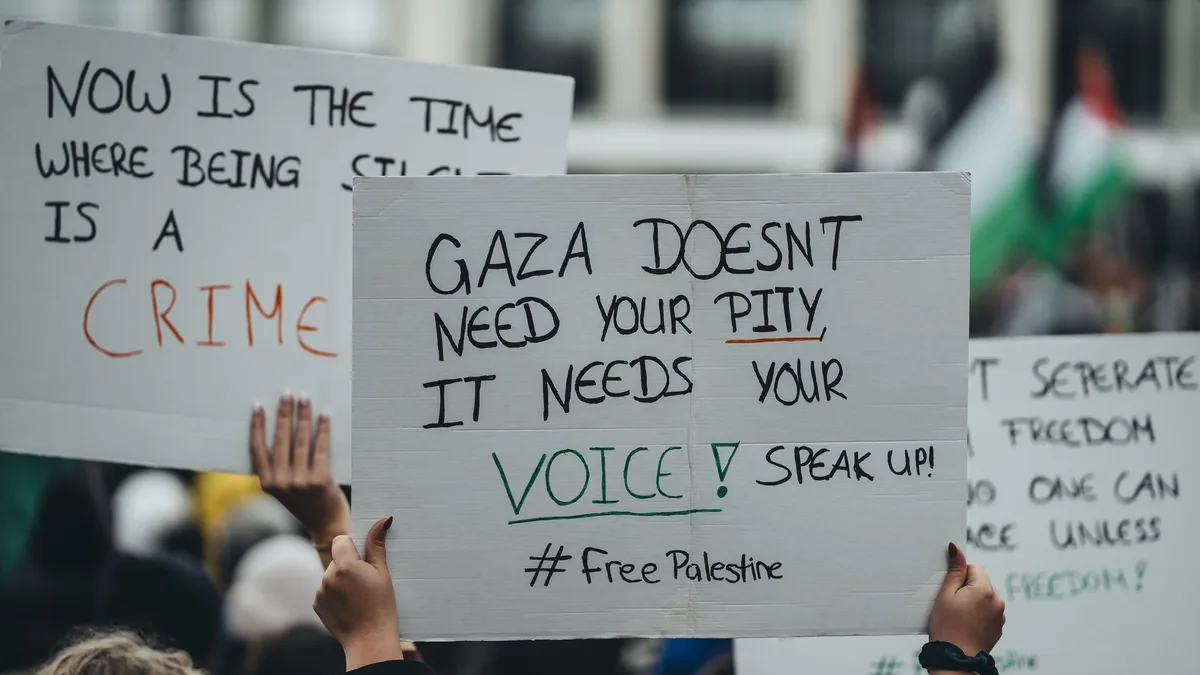
Israeli and Palestinian leaders presented opposing views on the Middle East conflict at the UN General Assembly's high-level debate. Palestinian President Mahmoud Abbas, speaking by pre-recorded video after his delegation was denied visas, described the war in Gaza as a 'genocidal war' that created an unprecedented human tragedy. He warned that the conflict threatens 'the very existence of the Palestinian people' and called for the reunification of the Gaza Strip and the occupied West Bank. Abbas cautioned against allowing another 'Nakba', referring to the permanent mass displacement of Palestinians in 1948.
Israeli Prime Minister Benjamin Netanyahu defended Israel's actions as necessary after the Hamas-led terror attacks of 7 October 2023. He defended Israeli settlers in the occupied West Bank and rejected descriptions of Israeli settler violence. Netanyahu also accused the international press and social media of overlooking Palestinian attacks. He defended Israel’s attacks against Iran’s nuclear facilities, arguing they were necessary for Israel’s survival.
Global security implications highlighted
Leaders warned the conflict is affecting global food and energy security. Comoros President Azali Assoumani said the paralysis of the Strait of Hormuz and fighting in Syria and Lebanon threaten food and energy security in import-dependent countries. Portugal Prime Minister Luís Montenegro called for an end to attacks on neighbouring countries, merchant ships, and civilian infrastructure, and to the blockade of the Strait of Hormuz. He warned that "Everyone is being harmed by the resulting energy and fuel crisis" and urged action to mitigate its impact.
Ghana President John Mahama urged the international community to stop using 'diplomatic euphemisms' over the human toll in Gaza, while also condemning all acts of terrorism by Hamas. Dominican Republic President Luis Abinader stated conflicts in Europe and the Middle East directly affect food and energy prices in his country.
Calls for renewed multilateral cooperation
Multiple leaders urged strengthening international institutions and diplomacy, citing weakening multilateralism. Guyana President Mohamed Irfaan Ali said the weakening of multilateralism may be the most troubling crisis facing the world, but argued that diplomacy could still silence guns. Gambia Vice President Muhammed Jallow said multilateralism does not require agreement on every issue, but a willingness to listen, negotiate, and compromise.
Barbados Prime Minister Mia Mottley warned that without an equitable rules-based order, smaller States could 'simply cease to exist'. Uruguay President Yamandú Orsi urged countries to renew trust and strengthen a United Nations capable of meeting current challenges. Netherlands Prime Minister Rob Jetten condemned attempts to undermine the International Criminal Court and urged middle powers to lead cooperation on human rights and climate action.
Australian Prime Minister Anthony Albanese said Australia was working with others on new approaches to global challenges. He stated Australia’s bid for a non-permanent UN Security Council seat for 2029-2030 aimed to amplify the voices of small and mid-sized States. The broader message was that restoring confidence in international cooperation requires consistent principles, stronger institutions, and renewed diplomatic leadership.