Colombia Earthquake
The US can support Colombia's post-earthquake recovery by providing financial assistance and promoting transparent contracting standards.
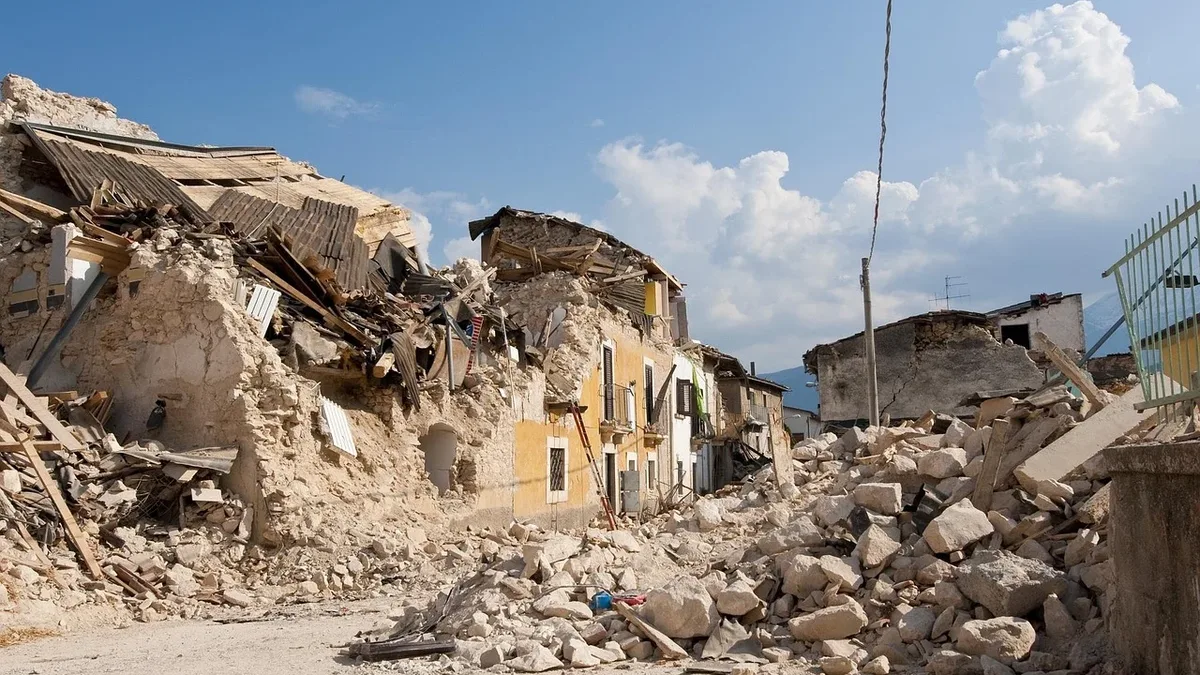
The recent earthquake in Colombia has caused widespread damage and loss of life, with over 300 people killed and thousands more affected. The Colombian president has estimated the reconstruction costs at around $9.6 billion, including $8 billion for housing recovery and $1.6 billion for infrastructure reconstruction. According to mayors of affected cities, the recovery process could take around three to five years.
Damage Assessment
The earthquake has damaged homes and infrastructure, with housing being the hardest to finance. Only about 9.3 percent of households have insurance for their property, and many owners hold their homes outright, making them ineligible for mortgage-related coverage. Water systems and the electricity grid have also been severely impacted, with the port city of Buenaventura facing intensified water infrastructure challenges and the grid operator XM estimating losses equivalent to 18 percent of national electricity demand.
International Support
Humanitarian assistance has begun flowing to Colombia, with the US Department of State providing $26.5 million, the European Union mobilizing around $2.4 million, and Canada committing over $1.5 million. However, much of the financing headed to Colombia is credit, and the country will need more support to recover. The World Bank has sent $200 million from a facility, but this is a loan that will need to be paid back with interest.
Infrastructure Recovery
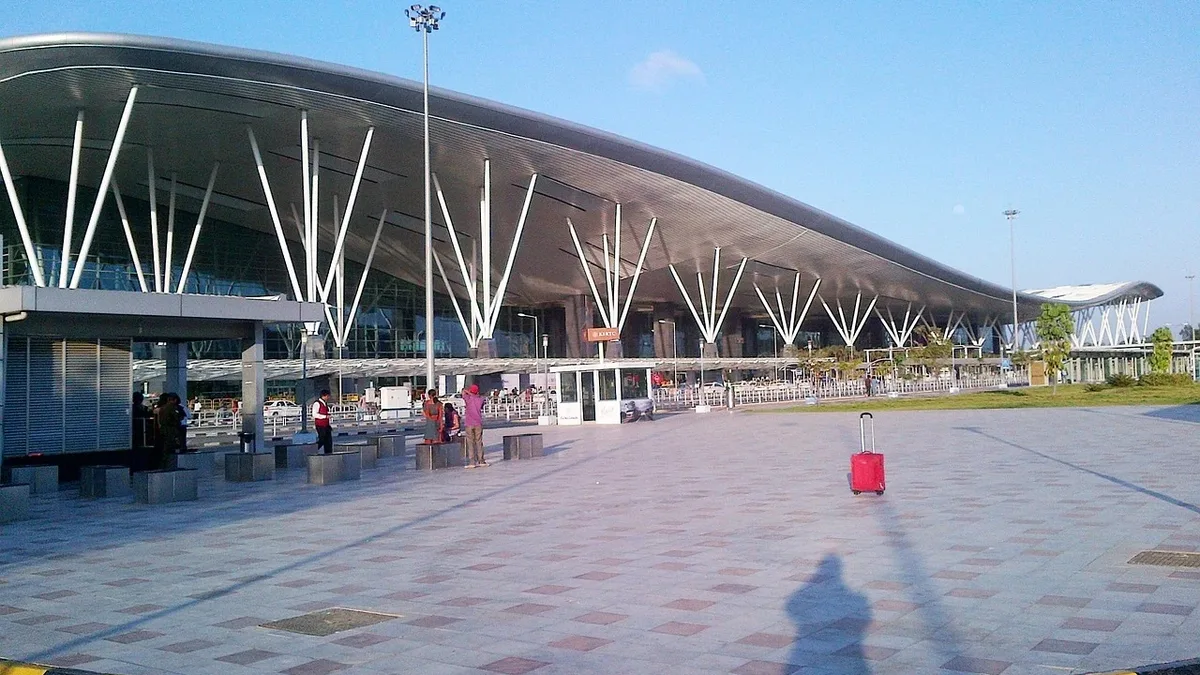
Resilient transportation, water, energy, and logistics infrastructure will be important for Colombia's competitiveness. The US can support the building of resilient infrastructure, such as the Cali airport expansion project, which is a thirty-year project valued at about $1.6 billion. However, investment barriers such as a lack of regulatory transparency and competitive-bidding conditions have limited US participation in key infrastructure and project-management opportunities in Colombia.
US Support
There are four ways the US can financially support Colombia's recovery and resilience. First, the US International Development Finance Corporation (DFC) can play a larger role, with its active portfolio in Colombia being $1.13 billion across twenty-five projects. Second, US private capital will need incentives to enter projects that currently appear risky to finance. Third, the US private sector should reinforce the need for transparent contracting standards in Colombia. Fourth, the US should reconsider how its tariff strategy applies to a recovering country such as Colombia, with negotiations taking the US-Colombia Trade Promotion Agreement as their baseline.
The US Department of Commerce has raised concerns about investment barriers, but Colombia could make meaningful reforms to improve transparency, risk allocation, and bankability, making its reconstruction pipeline more attractive to US investors. As the source, Atlantic Council, notes, the full extent of Colombia's reconstruction will take much more support, and the US can play a significant role in promoting Colombia's resilience and competitiveness.