U.S. Military Aid to Ukraine Continues Under Trump
Despite claims of ending support, the Trump administration continues to provide billions in weapons and operational aid to Ukraine, shifting the nature of
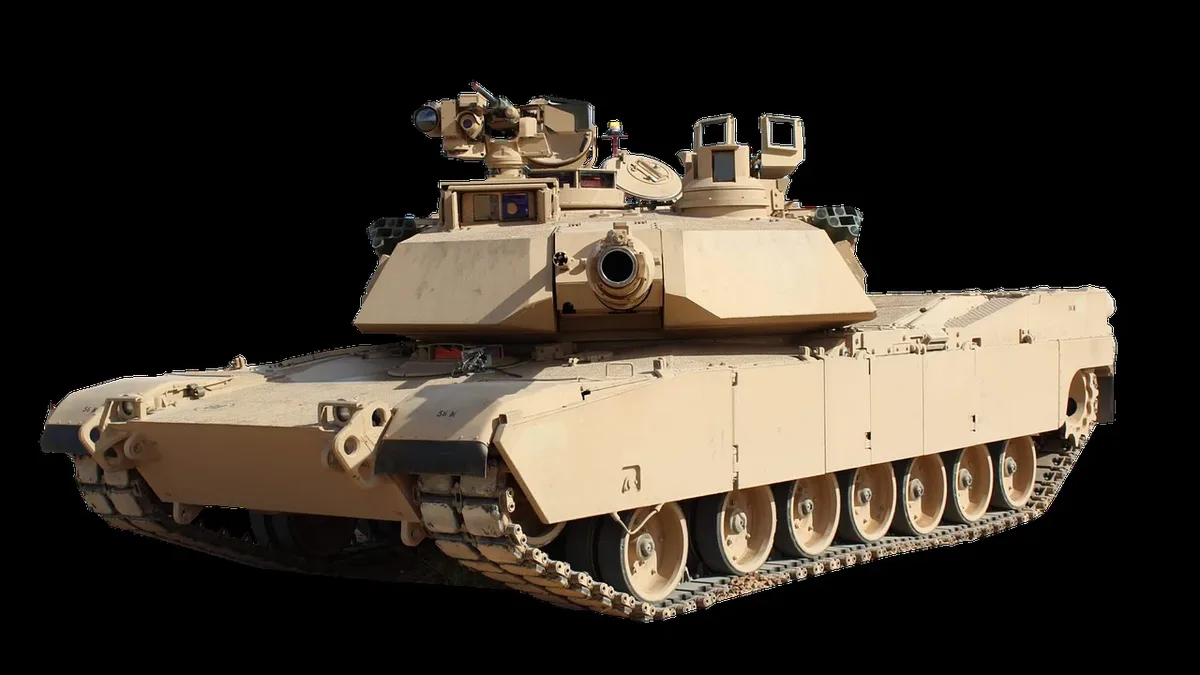
Former President Donald Trump's claims about ending U.S. Spending on Ukraine are contradicted by ongoing military aid and intelligence support. American weapons transfers and operational assistance to Ukraine continue, amounting to an estimated $20 billion annually.
Weapons in the Pipeline
While the Trump administration halted new Presidential Drawdown Authority transfers and has not requested fresh funds for the Ukraine Security Assistance Initiative (USAI), existing contracts ensure continued deliveries. As of June 2026, about $13 billion in outstanding USAI contracts remain, down from $20 billion in January 2025. These contracts, signed under President Biden, will procure weapons for Ukraine through approximately 2028.
Weapons systems in the pipeline include NASAMs, Patriot missile components, counter-drone systems, artillery rockets, and ammunition. Ukraine is reportedly receiving 10 to 20 PAC-3 Patriot missiles per month under these agreements. Congress has also approved about $800 million in new USAI funding within the 2026 and 2027 National Defense Authorization Acts.
| Contract Status | Amount | Timeframe |
|---|---|---|
| Outstanding USAI Contracts (June 2026) | $13 billion | Down from $20 billion in Jan 2025 |
| New USAI Funding (2026-2027 NDAA) | $800 million | Approved by Congress |
| Estimated Annual Aid Under Trump | ~$5 billion in weapons | Over a 4-year term |
Also, the State Department has approved $3 billion in new arms sales to Ukraine for 2025 and 2026, partially funded through Foreign Military Financing. The department also sends its own military aid, including drones, armored vehicles, guns, and grenade launchers, often channeled through Ukraine's Ministry of Interior.
Shift to Operational Support
What Ukraine needs more than weapons, the report states, is intelligence, logistics, and operational support. The United States provides this in increasing amounts, though details are largely classified. Public reporting indicates the U.S. Gives Ukraine real-time targeting information on Russian troop movements and command centers. This aids Ukraine's mid-range and deep strikes against military and energy targets inside Russia.
U.S. Reconnaissance assets, including routine E-3 flights from NATO border countries, are integrated with Ukraine's air defense network. The U.S. Also provides logistical and maintenance support, spare parts, training, and help European purchases of American weapons. The cost of this operational support is not itemized but is significant. The 2024 defense supplemental bill allocated about $15 billion for "military training, intelligence sharing, increased presence, and other support activities." Excluding baseline personnel costs, the report estimates the extra activities for Ukraine cost about $10 billion over a year.
Costs and Risks of Involvement
The report argues that the shift from weapons to direct operational support increases risks for the United States. Assisting Ukraine in striking energy targets inside Russia can push global oil prices higher, contradicting the Trump administration's goal of keeping gas prices low. Treasury Secretary Scott Bessent acknowledged this effect.
U.S. Intelligence support deepens American involvement, making the U.S. An "all-but-direct combatant." This, the report contends, provokes reactions like Russian assistance to Iran in weapons and intelligence sharing, potentially endangering U.S. Service members. It also increases the risk of miscalculation leading to a direct U.S.-Russia confrontation, a dangerous prospect given what the source describes as a "degraded state of U.S. Military readiness."
Classified intelligence budgets have also grown, with a 10% increase starting in 2023 justified by shifts in the national security landscape, including concerns about China and spillover from the conflict in Ukraine. The total funding increase was about $10 billion, leading the report to guess that Ukraine-related intelligence expenditures might be $3 to $5 billion per year.