Gulf States Face Economic Crisis After War
Six months of war have exposed the economic vulnerabilities of Gulf Cooperation Council states, which rely on stable infrastructure and market access to function.
Six months of war have shattered the assumption of stability underpinning the Persian Gulf's extraordinary wealth. The conflict has exposed a fundamental weakness in Gulf economic models, where producing oil and gas is only half the equation if infrastructure and access to global markets can be disrupted. Ports, airports, power grids, desalination plants, financial centers, and tourism hubs are all vulnerable to regional shocks. The energy sector is particularly exposed, with damaged oil and gas facilities potentially taking months or longer to repair. Restoring production may be easier than restoring confidence that Gulf exports can reliably reach global markets.
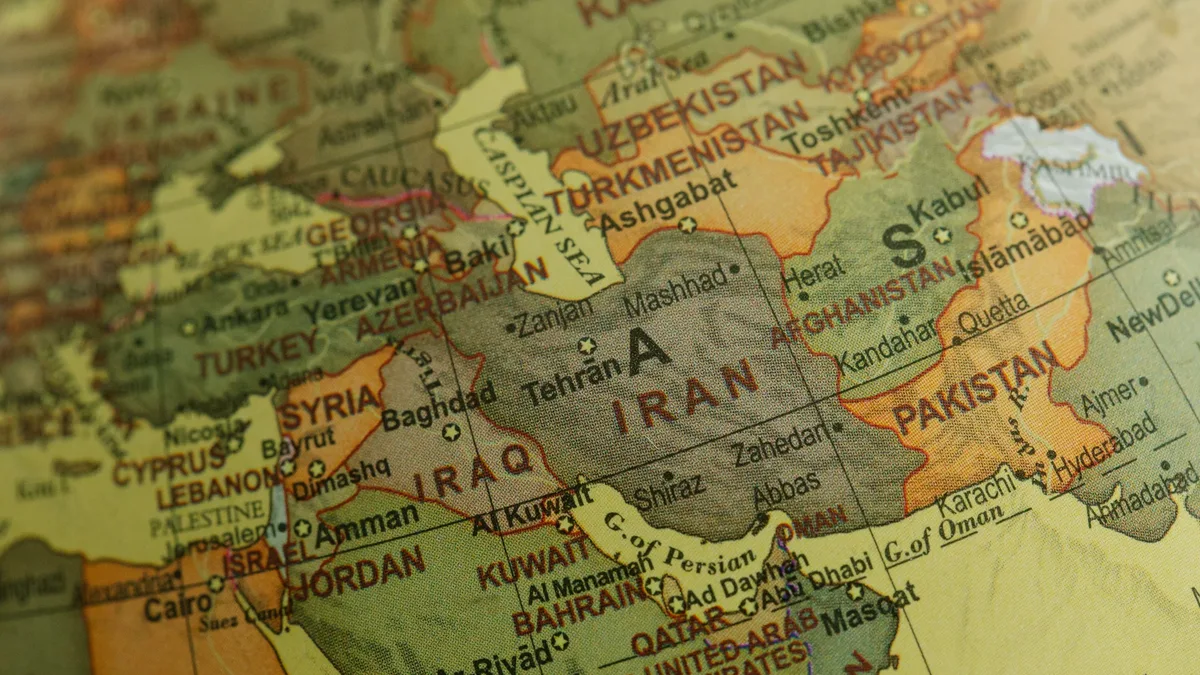
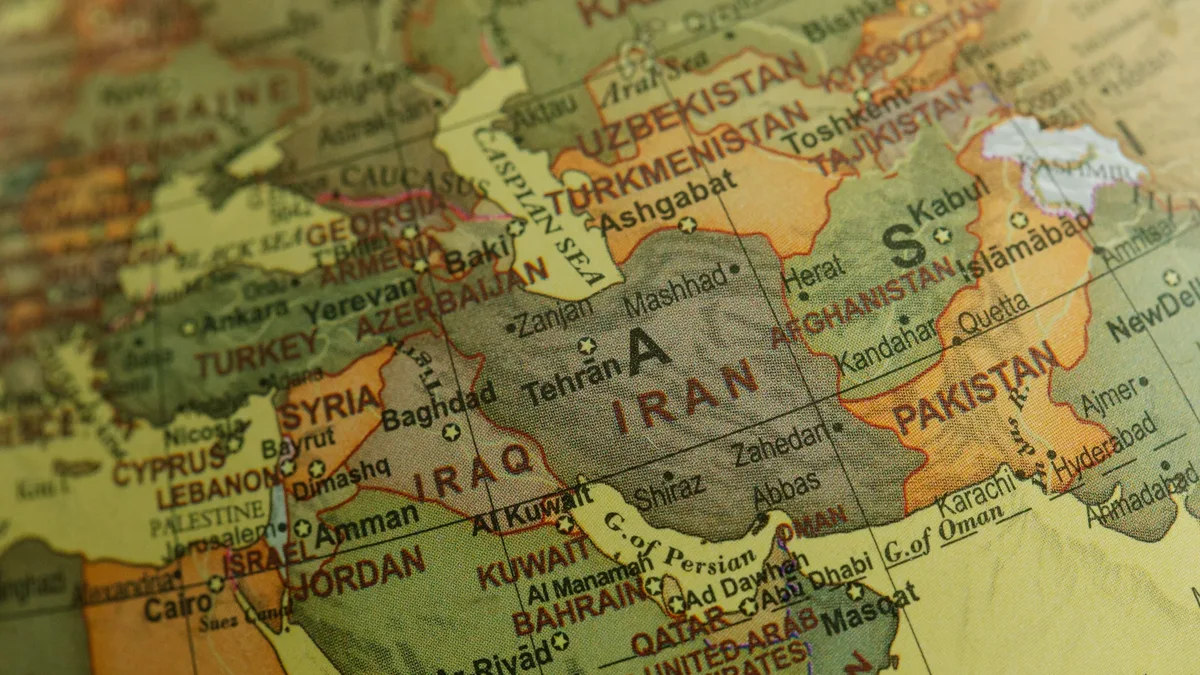
Each Gulf Cooperation Council (GCC) state enters this new era from a different starting point. Qatar, Kuwait, and Bahrain are particularly exposed due to their reliance on Gulf maritime routes, including the Strait of Hormuz. Saudi Arabia has greater flexibility thanks to its East-West pipeline, as does the United Arab Emirates because of its oil export hub at Fujairah, which lies on the safe side of the Strait. Oman is also well-insulated, with its key export infrastructure beyond the Strait. In search of resilience, these states are now building alternative export routes, expanding overseas production, strengthening strategic inventories, and dispersing critical infrastructure.
Tourism and aviation face different challenges. Gulf hubs can restore flights, reopen airports, and offer incentives relatively quickly. Rebuilding the reputation for safety and reliability on which their business models depend is harder. Dubai, Abu Dhabi, and Doha spent decades turning geography into a competitive advantage through highly connected airports, hotels, business services, and predictable environments for travelers and expatriates. The war has challenged that proposition. Demand for hotels in Dubai fell to 7-14% of pre-war levels throughout the first few months of the conflict, achieving a gradual recovery back to 20-30% of pre-war levels this summer.
The six GCC states are pursuing different paths to resilience based on their unique circumstances. Saudi Arabia's key vulnerability is the difficult fiscal balance between Vision 2030 investment and defense spending, but it has geographic depth and the East-West oil pipeline. The United Arab Emirates' economic model depends on the Gulf's reputation as a safe, reliable business hub, but it has vast financial resources and the strategic advantage of Fujairah port. Qatar's economy is highly dependent on uninterrupted LNG exports via Hormuz, but it has enormous sovereign assets and is accelerating overseas energy investment. Kuwait faces geographic exposure and refinery damage, but has substantial financial capacity and is accelerating domestic energy diversification. Oman is relatively insulated with export infrastructure outside Hormuz, and its strategic position may improve. Bahrain has limited fiscal space and lacks strategic depth, making its resilience dependent on GCC partner support. The longer-term test may be whether the crisis strengthens confidence within the Gulf itself, requiring a return to stability that allows tourists, companies, and workers to believe the region is once again insulated from conflict.