Jordan Sees Israeli Annexation as Top Threat
Jordanian officials see Israel's potential annexation of the West Bank as a greater existential threat than the Iran war, fearing it could trigger a
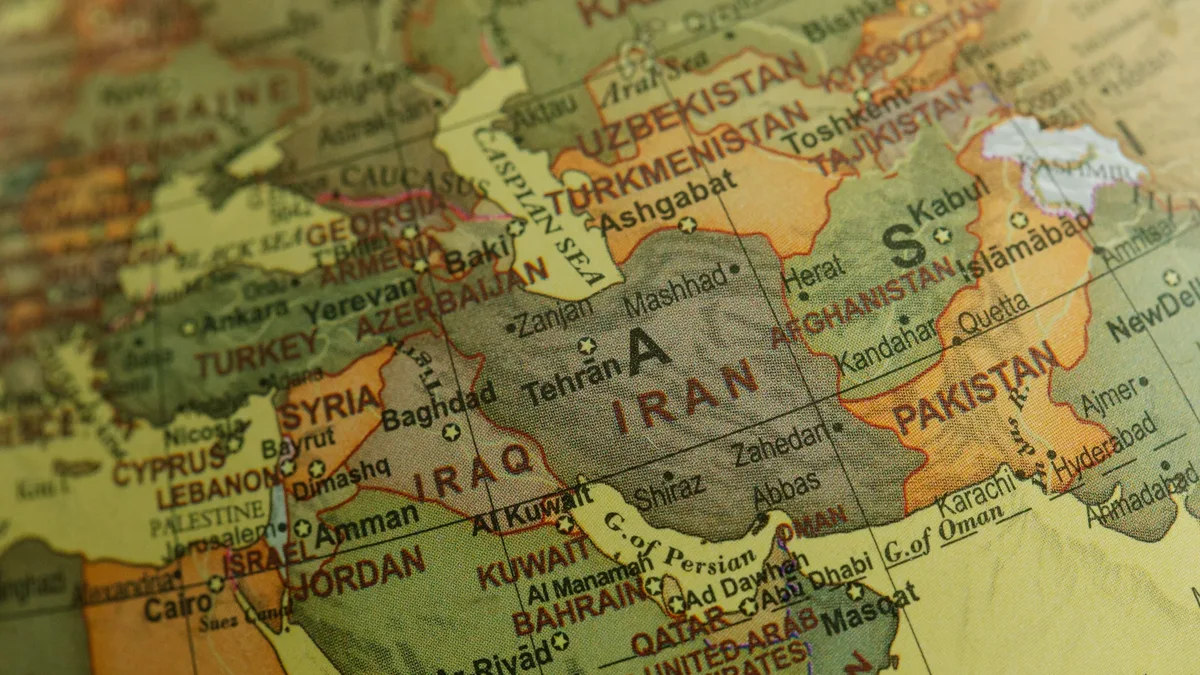
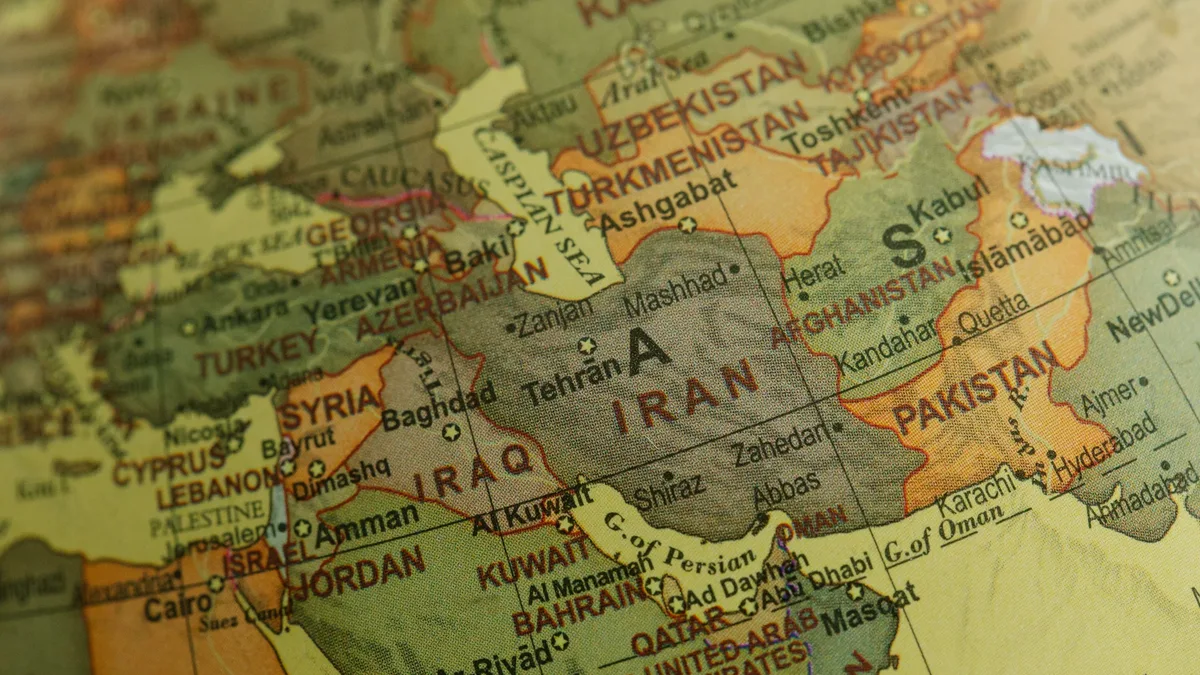
Jordanian officials, journalists, and commentators view Israel's accelerating drive to annex the West Bank as a more serious existential threat than the ongoing Iran war, according to a report in Foreign Policy. Their primary fear is that annexation would force a large-scale Palestinian population transfer into Jordan, overwhelming the country's political and economic systems. This concern is stark, given that nearly 300 Iranian missiles and drones have bombarded Jordan during the Iran war, mostly targeting U.S. bases.
The Alternative Homeland Scenario
Jordanians refer to the potential outcome of Israeli annexation as the al-watan al-badil, or alternative homeland scenario. This term references a long-standing Israeli claim that Jordan should serve as the Palestinian homeland. Officials in Amman believe that if Israel claims full or partial sovereignty over the West Bank, many of the territory's Palestinians would have no choice but to relocate eastward into Jordan.
This influx would place unprecedented pressure on the kingdom's demographic and political fault lines. Such pressure could destroy the very stability that makes Jordan a vital strategic partner for the United States. You can explore related regional dynamics in our standings and stats sections.
The Scale of Annexation and Displacement
The number of potential Palestinian refugees depends heavily on which parts of the West Bank Israel chooses to annex. The Oslo Accords divided the territory into three administrative zones.
| Area | Description | Palestinian Population | Control |
|---|---|---|---|
| A & B | Contain major cities like Hebron and Nablus | Most of the West Bank's 3 million Palestinians | Varying degrees of Palestinian Authority control |
| C | Comprises nearly two-thirds of the territory | Approximately 250,000 Palestinians | Full Israeli control; site of largest settlement projects |
An extreme annexation plan would see Israel absorb all three areas simultaneously. This move would instantly dissolve the Palestinian Authority and likely orchestrate a large-scale population transfer into Jordan. A milder proposal involves annexing only Area C and East Jerusalem. This might preserve a rump Palestinian administration but would enable future Israeli encroachments into cities in Areas A and B.
One Jordanian strategist told Foreign Policy that even the "best-case" scenario of annexing Area C is anticipated to produce up to 500,000 Palestinian newcomers to the kingdom. A full-spectrum annexation plan could send many more.
Jordan's Fragile Internal Balance
Behind Amman's acute concern lies a fraught history of intercommunal relations. The population is divided between Palestinian Jordanians and Jordanians of tribal heritage, known as Transjordanians. A deep distrust was seeded by the 1970 Black September civil conflict, where the Jordanian army defeated the Palestine Liberation Organization after a bloody insurrection.
An uneasy but durable ethnocracy has held since. Transjordanian tribes staff the state and military as stewards of the crown. Palestinian Jordanians propel the economy but have little political voice. This arrangement leaves fundamental questions of national identity unanswered, including who truly belongs in Jordan.
Transjordanian chauvinists often view Palestinian Jordanians as disloyal guests. Some have infamously accused Queen Rania, who is of Palestinian origin, of corruption. Conversely, many Palestinian Jordanians complain of discrimination, noting how the electoral system for parliament favors rural tribal areas over Palestinian-dominated cities like Amman.
For generations, the Hashemite monarchy's advocacy for Palestinian statehood served as a safety valve. It relieved these internal strains. Transjordanian nationalists believed a future Palestinian state would encourage Palestinian Jordanians to return. For Palestinian Jordanians, the cause of Palestinian self-determination provided a locus of solidarity that substituted for their political marginalization within Jordan.
Jordan's Prepared Response
Jordan and Israel signed a U.S.-backed peace treaty in 1994. Today, bilateral relations have reportedly reached their lowest point since before that treaty was inked, fueled by the Gaza war and newer Israeli advances into Lebanon and Syria. Military cooperation persists under U.S. guidance. Jordan helped intercept Israel-bound Iranian missiles over its airspace in April 2024 and June 2025.
However, the two countries have withdrawn ambassadors and canceled energy and water deals. King Abdullah II, who has ruled since 1999, has declared annexation as Jordan's red line. Jordanian planners have openly suggested that Amman would respond by abrogating the peace deal.
The kingdom's leadership has a well-rehearsed security response to West Bank annexation. According to the report, Jordan would nullify the 1994 peace treaty, sever all formal ties with Israel, and close land crossings such as the King Hussein Bridge. It would also activate its military along the border to prevent a mass incursion. For more on regional team compositions, see our squad and injuries pages.
The Threat to Stability
Annexation and the formal demise of Palestinian statehood would amplify Transjordanian xenophobia, driven by angst over declining tribal patronage and political privileges. It would simultaneously fuel Palestinian demands for political representation. Newly arrived Palestinians, unlike previous Iraqi and Syrian refugees, would expect Jordanian citizenship as they have nowhere else to go.
In an authoritarian system that bans major opposition groups like the Muslim Brotherhood, calls for representation could instigate cycles of repression, protest, and volatility. Absorbing a large refugee population would also stress a moribund economy already struggling with nearly 83 percent public debt, 24 percent poverty, and 45 percent youth unemployment.
The monarchy would lose its custodianship over the Islamic and Christian sites of East Jerusalem, a role that helps bolster its legitimacy. The kingdom would also face other political fallout, from popular demonstrations to militant groups plotting attacks against Israel. In essence, Israeli annexation would batter the demographic, political, and financial pillars of Jordanian stability in a way that the Iran war, Syrian border insecurity, and jihadi terrorism have not.
What accentuates worries within Amman's political and diplomatic circles is that the kingdom alone cannot physically prevent a population transfer from the West Bank.