Syrian Court Sentences Assad In Absentia
A Syrian court has sentenced former president Bashar al-Assad to death in absentia for crimes during the 2011 crackdown, raising fair trial concerns.
A Syrian court issued death sentences for former president Bashar al-Assad and others on August 11, 2026. The Fourth Criminal Court in Damascus convicted the former leader, his brother Maher al-Assad, and their cousin Atef Najib, along with six other individuals.
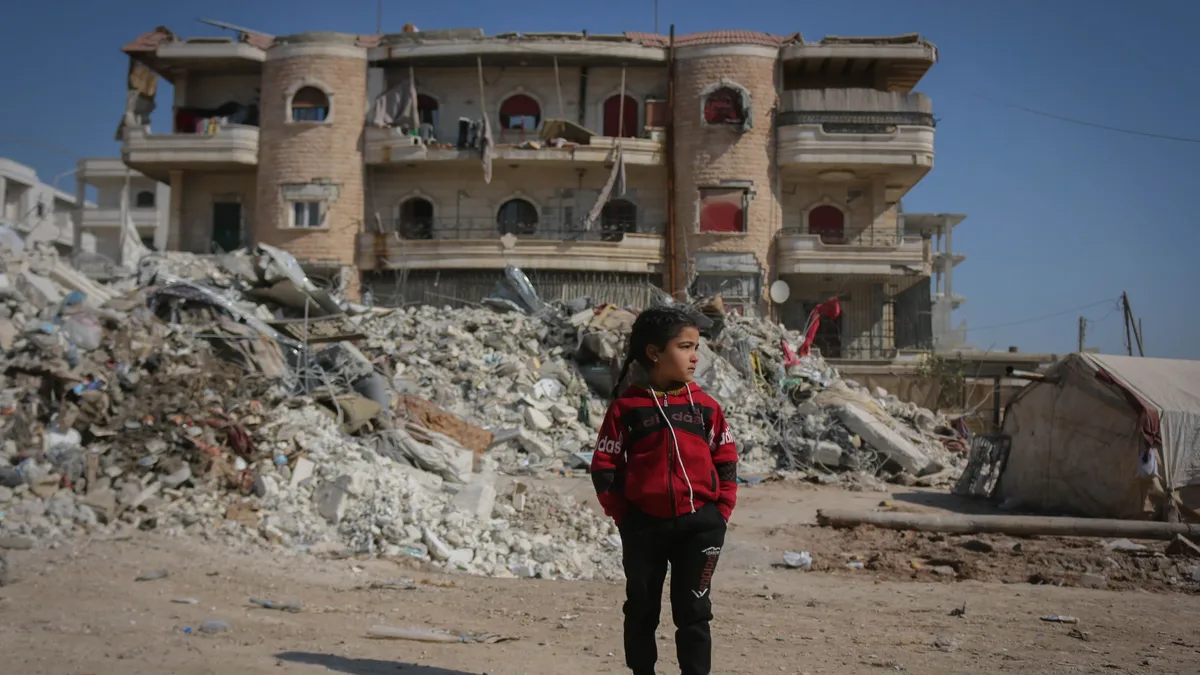
This judgment marks the first time a Syrian court has prosecuted the former ruling family. The charges stem from the government's violent repression that began in Daraa in 2011.
Trial Details and Legal Questions
The court tried Najib in person for his role as head of the Political Security Branch in Daraa. Bashar and Maher al-Assad, who fled to Russia in December 2024, were tried in absentia under a theory of command responsibility. The court found Bashar held ultimate authority over a nationwide campaign of killing and torture, while Maher commanded the Fourth Armored Division.
The trial lasted only from April 26 to August 11, 2026, spanning nine sessions. The court has not yet publicly issued its full 396-page sentencing judgment. This leaves basic legal questions unanswered, including the basis for jurisdiction over crimes against humanity and war crimes, which are not codified in Syrian law.
Concerns Over Fair Trial Standards
International fair-trial standards tolerate in absentia trials only in narrow circumstances. Syria issued an arrest warrant and demanded Russia surrender the Assads, but there is no sign the brothers were formally served notice or appointed counsel. The trial proceeded because they are beyond the court's reach.
Human rights organizations oppose the death penalty, especially after an in absentia trial where the defendant could not test the evidence. Syria acceded to the International Covenant on Civil and Political Rights in 1969 and remains bound by its fair trial requirements.
Obstacles to Enforcement and Future Paths
Enforcing the verdict faces a political obstacle: Russia is shielding the Assad brothers. Vladimir Putin could potentially trade their surrender as a bargaining chip in a larger deal, such as for sanctions relief over Ukraine. A future Russian government might also have an incentive to surrender them.
Another route could be the International Criminal Court, which Syria's new authorities could join. The ICC cannot impose the death penalty, which might make European states more willing to press for surrender. Its mandate would also cover crimes by all sides, potentially avoiding allegations of victor's justice.
Individual verdicts are not a substitute for a comprehensive accountability system. A credible path requires documenting broader repression, opening security service archives, identifying mass graves, and providing support to survivors. Given the scale of alleged crimes, Syria may need specialized chambers or a mixed Syrian-international body. Any effort limited to a single group risks losing legitimacy. Verdicts derive authority from the fairness and independence of the procedures that produce them.