U.S. Pushes States to Quit ICC
U.S. Secretary of State Marco Rubio announced a campaign to persuade states to withdraw from or condemn the International Criminal Court, alongside ongoing
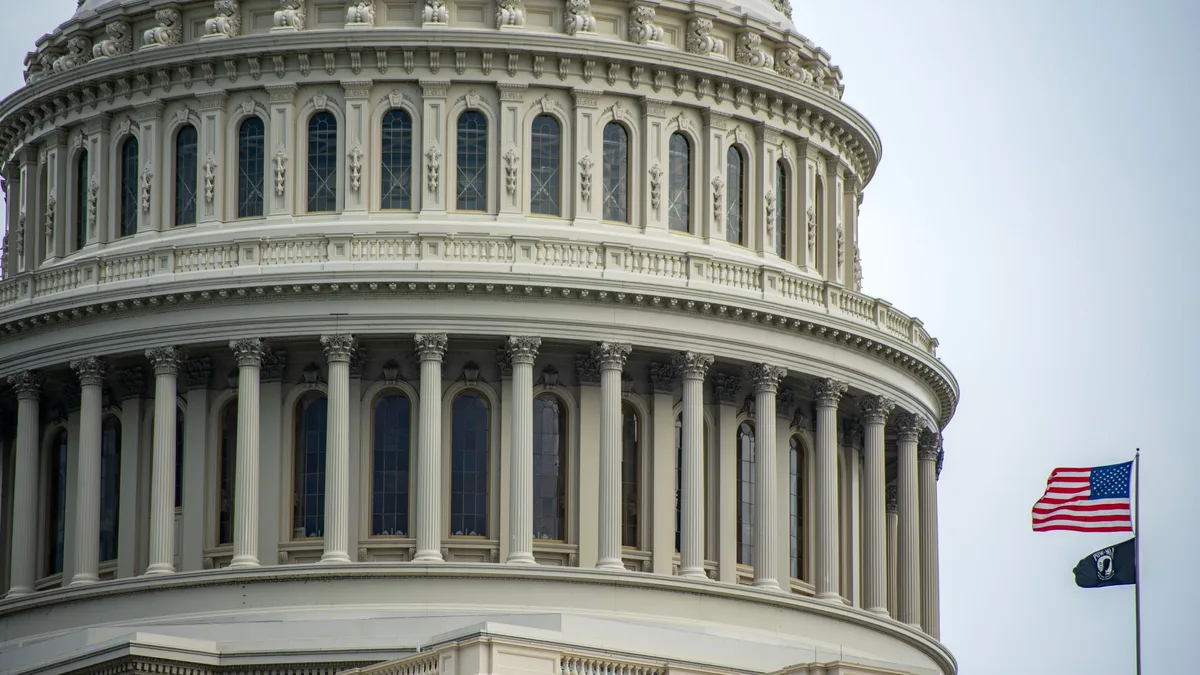
U.S. Secretary of State Marco Rubio announced a campaign in July to persuade states to quit or condemn the International Criminal Court. This forms part of a broader U.S. effort to dismantle the ICC, which the administration views as a threat to sovereignty.
Rubio's new focus on recruiting diplomatic support comes alongside ongoing financial sanctions. Since February 2025, the U.S. has targeted senior ICC officials, including the court's presiding judge. The administration has threatened to place the entire Court on a financial blacklist, a move that could cripple its operations by deterring banks and other service providers.
The Search for Diplomatic Cover
This push for multilateral backing is notable because it is unnecessary for practical action. The United States can sanction the Court unilaterally at any time. According to the source, Rubio's appeal hints at administration concern over the political costs of acting alone. It presents other states with a choice: offer the U.S. diplomatic cover or try to raise those political costs.
The source argues that states supporting accountability should publicly challenge the U.S. narrative. It states that the ICC's work matters, citing upcoming trials for Philippines' Rodrigo Duterte and the Court's role as a partner for Ukraine in prosecuting Russian war crimes.
Mischaracterized Risks and Hollowed Accountability
Rubio condemns the ICC as a sovereignty threat but ignores that its jurisdiction stems from over 120 member states. The source contends he overstates U.S. legal exposure. It notes that while U.S. officials face legal risks in foreign courts for serious crimes, this is true irrespective of the ICC's existence.
Rubio highlights exaggerated fears where ICC jurisdiction is absent or patchy, such as regarding Iran or many U.S. boat strikes in international waters. He is silent on how the Trump administration has eroded domestic accountability bodies. These bodies once offered assurance that U.S. actions were credibly reviewed for compliance with law.
The only active ICC case the administration opposes concerns Israel. The ICC's Palestine investigation, covering Hamas's October 2023 attack and Israel's response in Gaza, led to an arrest warrant for Israeli Prime Minister Benjamin Netanyahu. This warrant has been the main justification for U.S. sanctions. Rubio's current campaign omits any reference to it. President Donald Trump clarified the aim was "trying to defend Bibi and various other people."
The Limited Impact of Withdrawals
Rubio's plan to urge member states to withdraw lacks a clear practical rationale for the U.S. Sanctioning the ICC is a unilateral act. For withdrawals to financially weaken the Court meaningfully, they would need to come from its top funders, Japan, Germany, and France, who remain strong backers.
The source suggests the primary benefit for the U.S. may be political cover, showing it is not acting alone. The audience for this is unclear. Previous sanctions have already prompted a backlash in the technology sector. After the U.S. sanctioned the ICC's chief prosecutor in February 2025, Microsoft reportedly canceled his email account. The Court then moved services to a European provider. This incident spurred broader European efforts to find replacements for U.S. technology services.