US Strikes Larak Island, Iran Weighs
The United States has conducted a military strike against Iranian positions on Larak Island, its first known action since a July ceasefire.
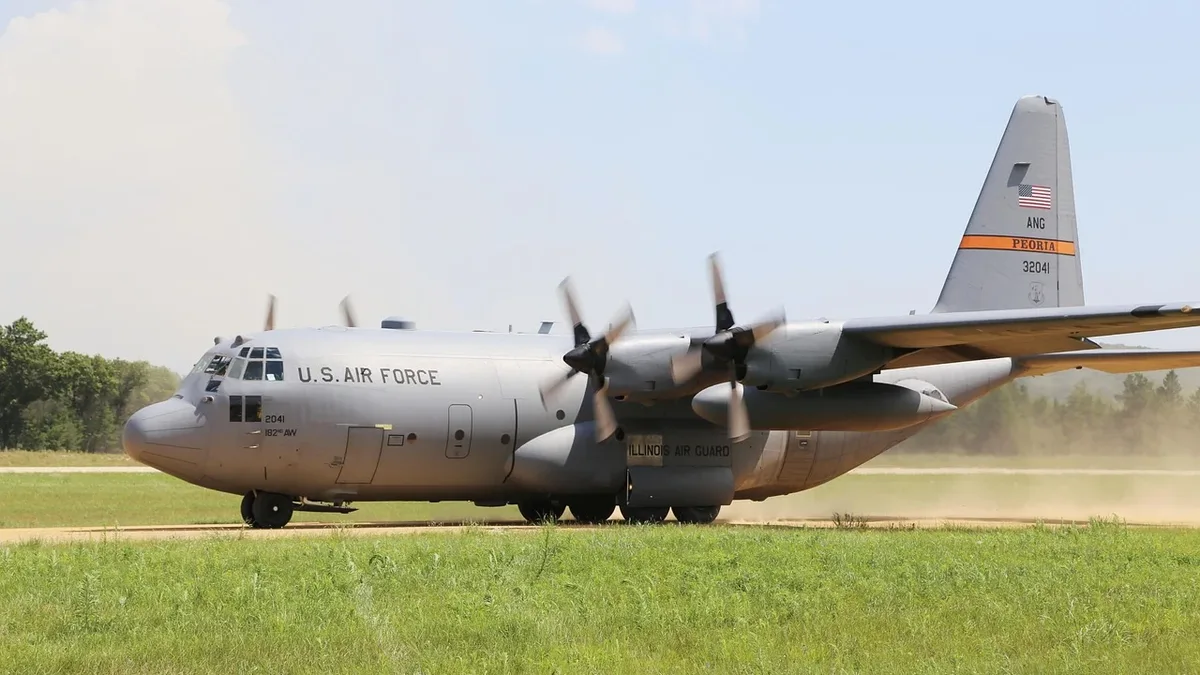
The United States military has struck Iranian launchers on Larak Island to prevent new mine-laying in the Strait of Hormuz. This marks the first known U.S. strike against Iran since President Donald Trump announced a ceasefire in July, according to Sunday reports.
Despite this action and new sanctions, analysis suggests Trump is not seeking a dramatic increase in pressure. The strategy appears to be a gamble to maintain a low-level conflict until the midterm elections. The goal is to avoid both a diplomatic deal and a descent into full-scale war.
The Sanctions and the Strategy
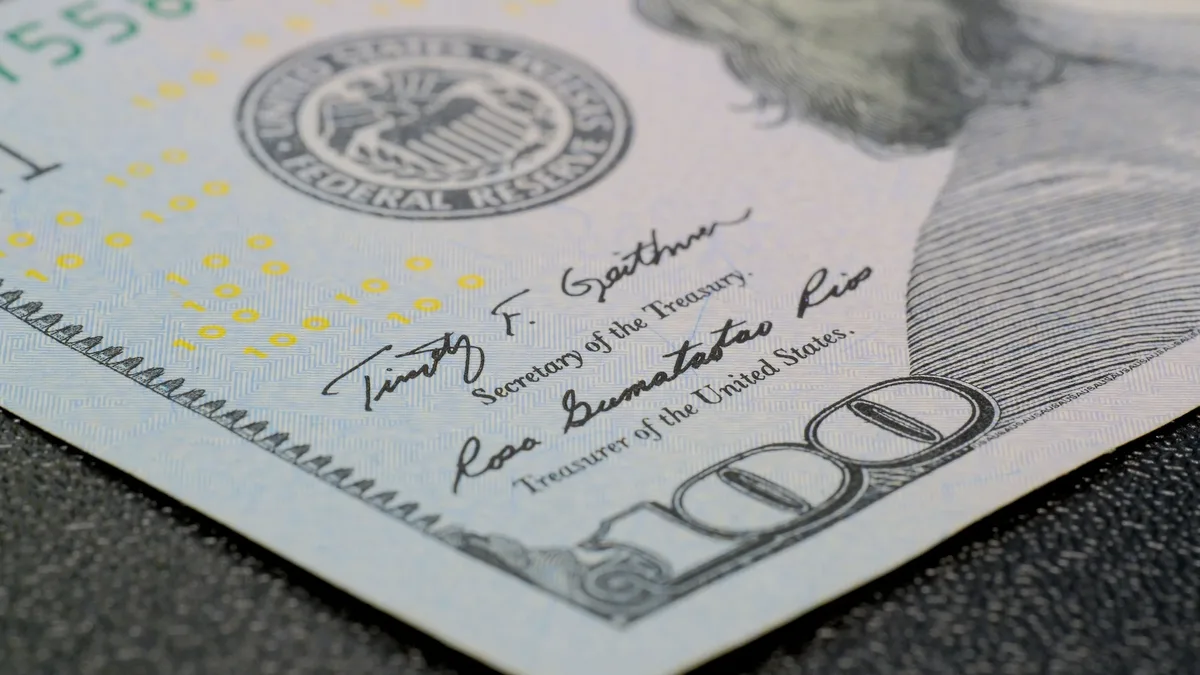
The recently announced sanctions, touted against a "major financial institution," ultimately targeted Egypt's Banque Misr. While the bank is significant in its region, it is far smaller than global financial giants. The sanctions, alongside increased traffic in the Strait of Hormuz, are designed to make the status quo more costly for Tehran than for Washington.
This creates a perception of American advantage. The aim is a slow strangulation that prevents headline-grabbing diplomacy or military escalation for the next two months. Treasury Secretary Scott Bessent's economic warfare will hurt ordinary Iranians and squeeze Iran's economy. But there is little to suggest it will compel Tehran's submission or is designed to inflict significant harm, despite Trump's rhetoric.
Iran's Potential Responses
Tehran's response will depend on Washington's next moves. Analysts outline three possible scenarios.
In the first, Trump overshoots. Strikes on Larak Island will likely generate an Iranian response. If the U.S. confiscates Iranian oil tankers bound for China, Tehran would almost certainly intensify attacks on ships in the Strait's southern corridor and potentially target energy infrastructure in the GCC. China would also likely respond forcefully. This would cause the very escalation Trump wants to avoid.
A second scenario sees the sanctions failing to alter Iran's medium-term calculations. Tehran might judge that its closure of the Strait remains sufficient and that mounting economic pressure on Trump will eventually force him back to negotiations. This explains Iran's heavy investment in regional diplomacy even as signs point to Trump not wanting a deal now.
Omani, Pakistani, and Qatari diplomats are engaged in intense talks with Tehran over the Strait. According to sources, Trump has signaled he will not lift a blockade even if Iran reopens the Strait and does not favor returning to an earlier Memorandum of Understanding. For Tehran, this diplomacy demonstrates American intransigence to its public and regional states. It also builds consensus for future solutions.
The Most Likely Path
The most likely scenario is neither immediate escalation nor a post-midterm return to talks. Instead, new sanctions and growing Strait traffic may create a reality where Iran hurts more than the U.S., its trajectory becoming increasingly negative. Iran would be weaker in a few months.
This incentivizes counter-escalation, but Tehran may delay. It could wait to strike two or three weeks before the Congressional elections to maximize political damage to Trump. Iranian officials say they expect the U.S. and Israel to resume the war after the midterms regardless of sanctions. Regional diplomats largely agree. A prolonged pause could work against Tehran, prompting a dramatic escalation to exploit Trump's perceived electoral vulnerability.
Iran appears encouraged by its performance in the war's second round. While the first round lasted 38 days, the second lasted just 13. Yet more than half of American casualties were inflicted during that shorter second round. This suggests Iran improved its attack sophistication and intelligence, learning faster from direct combat experience than Washington anticipated.
Iran's calculation about Trump's electoral vulnerability may prove correct. But its belief that an election loss will restrain Trump in 2027 may be misplaced. A humiliated Trump, potentially facing a third impeachment attempt, may be incentivized to lash out abroad. Freed from electoral constraints, he might take risks he previously eschewed, including deploying ground troops.
Following his November 2020 defeat, Trump displayed an unprecedented appetite for risk. Then-Chairman of the Joint Chiefs General Mark Milley feared Trump might provoke a war with Iran after losing. Trump reportedly floated attack proposals, which Milley vehemently opposed, warning, "You're gonna have a fucking war." The question remains whether a similar figure will be in Trump's inner circle after the midterms.