States Sue Federal Overreach on CDL Data
On Aug. 13, 21 states filed a lawsuit to block the federal government from accessing a centralized database of Commercial Driver’s License records, covering over 17 million individuals.
Federal Push for State Data
The second Trump administration has repeatedly sought to tap state-held data for federal purposes. In the past year the administration has requested access to state Medicaid records, Supplemental Nutrition Assistance Program (SNAP) data, and the National Directory of New Hires (NDNH). While the stated goal has often been immigration enforcement, the motives are not always clear. According to DOGE, the request for NDNH data was “not really clear why the administration was after the data.”
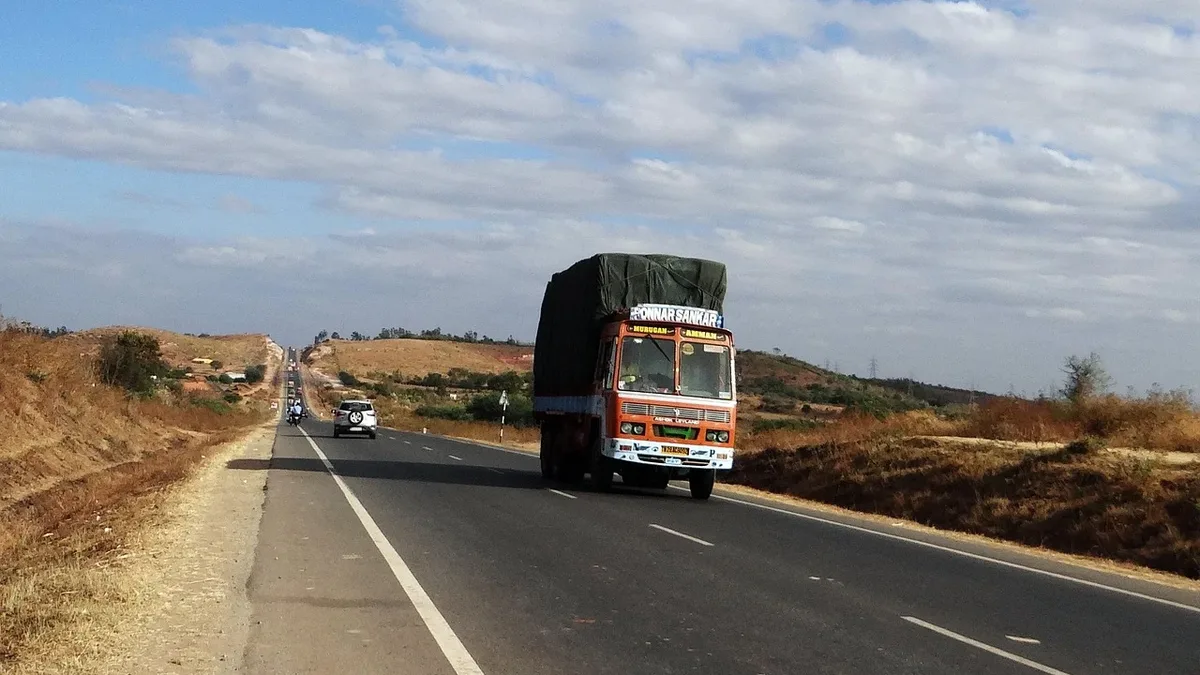
Commercial Driver’s License (CDL) records, a state-led database that contains the personal information of truck drivers, became the latest target. Historically, states have shared driver-license data freely with the federal government, but the current administration’s insistence on accessing the CDL database has prompted a sharp reaction.
Legal Response and Court Action
On Aug. 13, 21 states sued to prevent the federal government from obtaining the CDL data. Seven days later, a federal judge issued a temporary restraining order that blocked the transfer of more than 17 million CDL records to federal custody. The order covers the personal data of over 17 million individuals and remains in effect until further court action.
The lawsuit and the restraining order illustrate a growing awareness among states that even seemingly mundane datasets can be leveraged by the federal government to advance its agenda. The states’ legal action is a concrete example of intergovernmental conflict over data sovereignty.
Strategies for State Data Protection
The source outlines three main strategies states can use to defend their data:
1. Data Audits - States must first identify what data they hold, where it resides, and how it flows. Many state governments lack a clear inventory of their data assets. The source compares this task to a state not knowing about its oil reserves. States should allocate resources to create centralized data offices that map data flows into and out of state agencies, including transfers to federal agencies or private parties.
2. Stop Oversharing - A comprehensive audit enables states to assess whether they are sharing more data than necessary. The source cites law-enforcement sharing of DMV photos through the National Law Enforcement Telecommunications System (Nlets) and the Mobile Fortify app used by ICE agents. States are encouraged to question the necessity of such sharing and to weigh the risks of large-scale facial-recognition databases against public safety benefits.
3. Throw States’ Weight Around - When multi-state programs make it difficult to avoid sharing data, states can use their collective political and legal influence to shape federal laws and interstate data-sharing programs. The source notes that states often have the best opportunity to influence the design of such programs when they band together.
Lessons for Intergovernmental Relations
The CDL case underscores how data has become a new source of power in the relationship between state and federal governments. The source argues that data can be more powerful than land or money, especially in an era of artificial intelligence. States that wish to protect their sovereignty must remain vigilant about when and how they share data with the federal government.
The temporary restraining order that halted the transfer of over 17 million CDL records remains in effect, preventing the federal government from accessing the database until further court action.