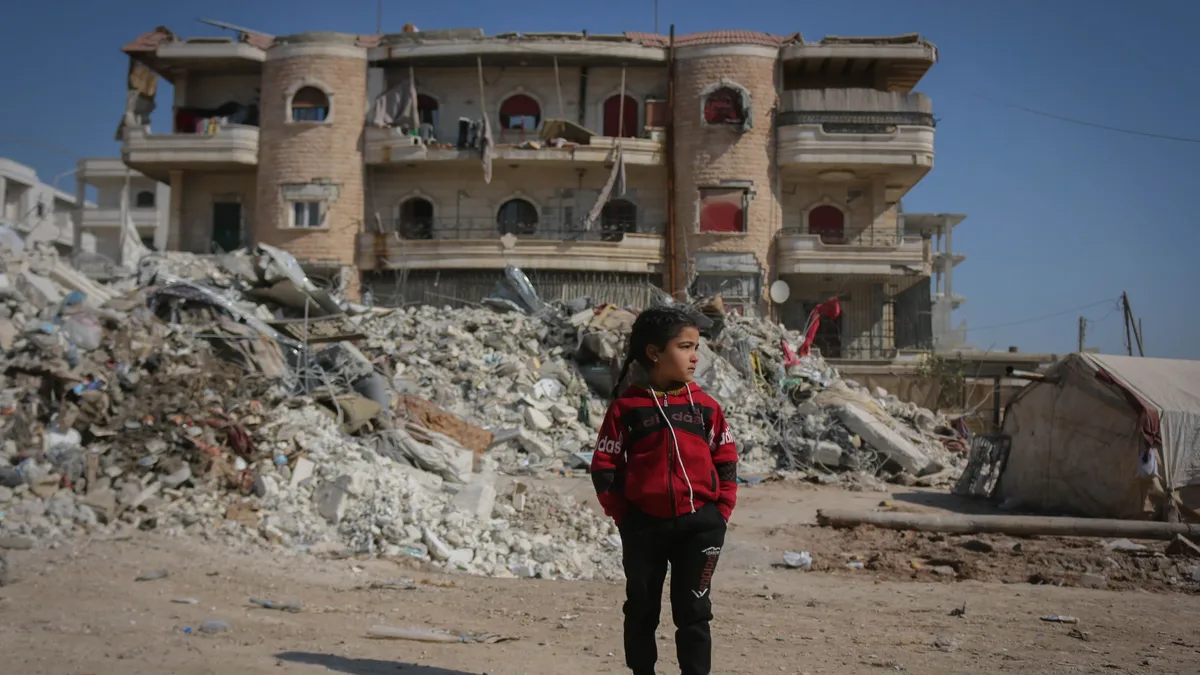
Jordan's military deterrence erodes amid
Jordan's military deterrence has weakened as Iran's IRGC launches repeated ballistic missile and drone attacks, with Jordan refraining from retaliation
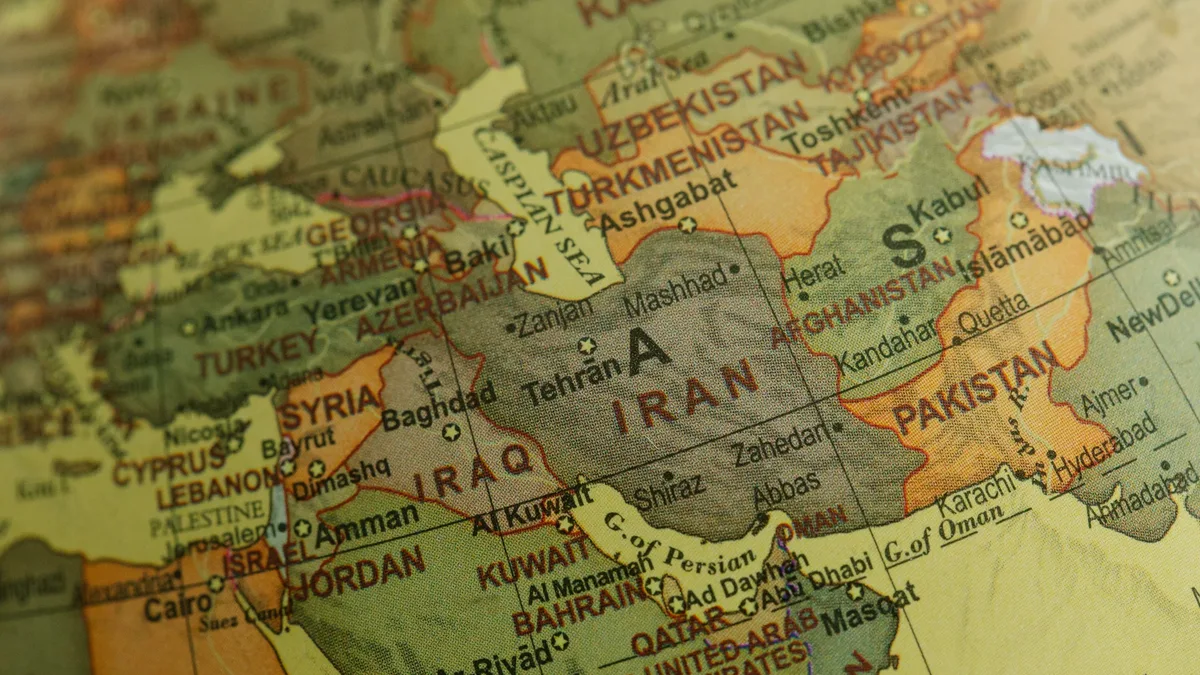
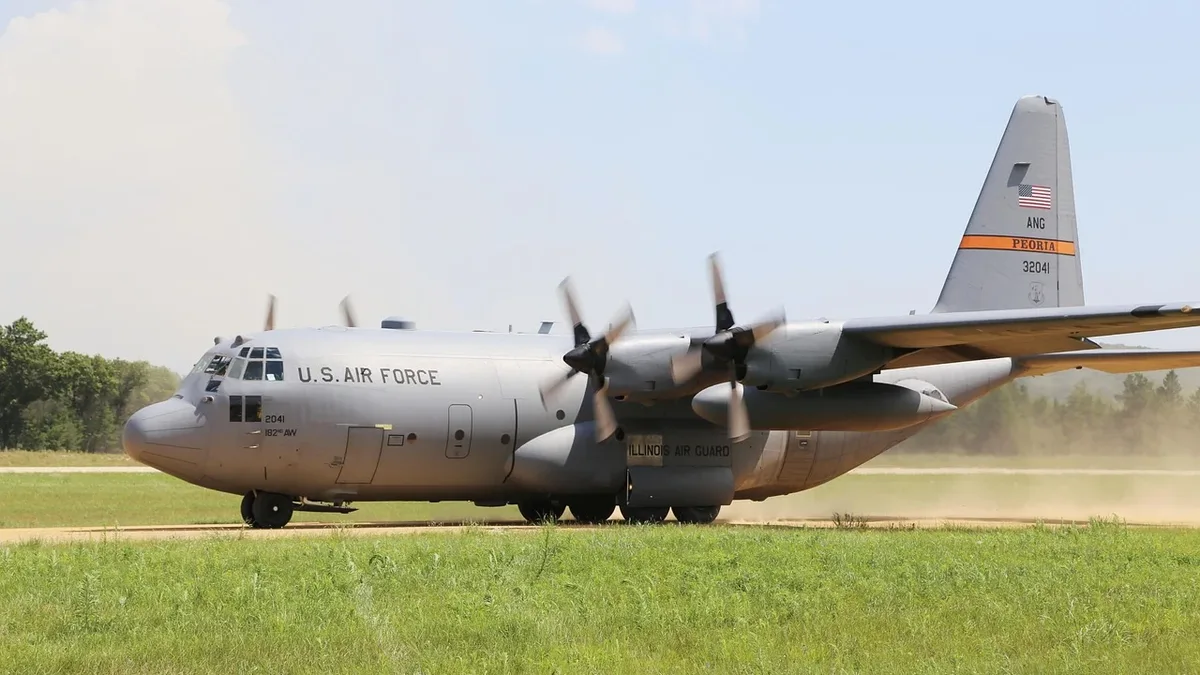
Jordan’s military deterrence has eroded amid sustained Iranian attacks, according to a report from the Atlantic Council. For decades, Jordan’s leadership has emphasized the military’s role in national identity, with King Abdullah II serving over fifteen years in the Jordanian Armed Forces and promoting military service as a sacred duty. His son, Crown Prince Hussein, was promoted to major in 2024 after serving as an infantry platoon commander. Last year, the heir apparent announced mandatory national conscription to build a stronger, self-reliant Jordan. As a major non-NATO ally of the US, Jordan regularly acquires advanced weapons to bolster its defenses.
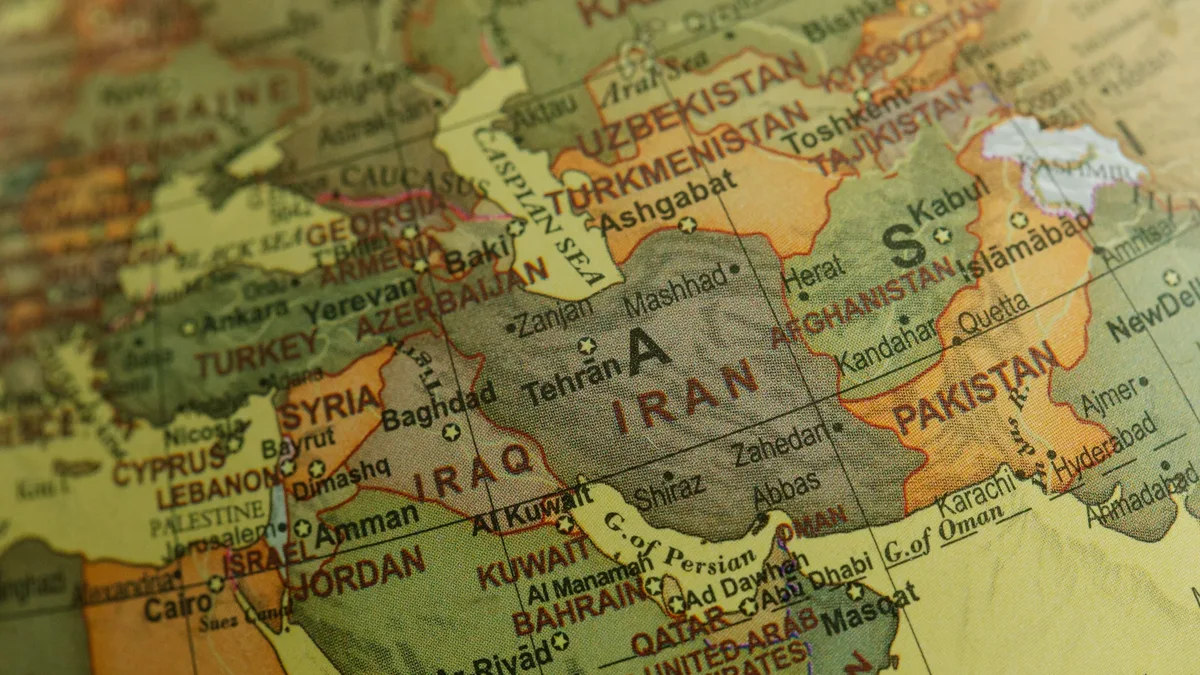
However, Jordan’s military is now playing a minor public role despite facing the most significant foreign government attack since Abdullah became king in 1999. Iran’s Islamic Revolutionary Guard Corps launched ballistic missiles at Jordan overnight Sunday, continuing a pattern of attacks that began in February. The IRGC has fired hundreds of drones and ballistic missiles at Jordan since then, including a July strike on the Azraq military base that killed three US soldiers. These attacks have damaged Jordan’s tourism sector and injured dozens of civilians from falling debris after interceptions. Yet, the Jordanian Armed Forces have not announced a single retaliatory strike against Iran.
This restraint contrasts sharply with past responses. In 2015, after ISIS executed Jordanian pilot Muath al-Kasasbeh by burning him alive in a cage, Abdullah pledged an “earth-shattering response.” Jordan’s Air Force launched over fifty strikes against ISIS targets in Syria and Iraq. The king believed failing to retaliate militarily would send a dangerous message to adversaries.
Although Jordan frames its current measures as defensive, questions remain about the actual role of its forces. A senior JAF officer claimed the military intercepted hundreds of Iranian projectiles under “Operation Jordan Shield.” However, President Donald Trump told Fox News in July that US forces shot down Iranian ballistic missiles in Jordan, without mentioning Jordan’s role. The New York Times reported the following month on Iranian evasion tactics against American air defenses, again omitting the JAF. On Monday, the JAF said it intercepted eight ballistic missiles from Iran’s latest barrage, but it remains unclear how many missiles Jordan has actually downed or whether it is crediting US actions to make interceptions more politically acceptable in a country where US presence is controversial. Jordanian government spokesman Mohammad Momani did not respond to a request for comment.
Iran’s targeting of Jordan, rather than Israel, appears deliberate. Tehran likely avoided striking Israel in July after the Israeli military assassinated then-Supreme Leader Ali Khamenei and other senior officials. While Iran claimed it attacked Jordan due to the presence of US military installations, Israeli Defense Minister Israel Katz said US fighter jets flew from Israeli bases to strike Iran. Nonetheless, the IRGC avoided Israel this summer, viewing Jordan as a safer target given Abdullah’s reluctance to respond militarily after earlier March and April attacks.
Jordan has credible reasons to avoid retaliation. About half of Jordan’s population is of Palestinian origin, and Abdullah may fear being seen as protecting Israel by joining a campaign against Iran. While no reliable polling data exists on public opinion toward the US military presence, former minister Amjad al-Majali led a letter signed by hundreds of Jordanians demanding the expulsion of US forces. Abdullah has condemned the Iranian strikes but has not discussed Jordanian military retaliation. His only interview since the Iran conflict began in February was with Chinese state media, where he was not asked about the attacks. The king may worry that approving action against Iran would provoke further IRGC escalation. Jordan may also prefer outsourcing offensive operations to the US.
At the same time, Jordan could argue domestically that the IRGC has crossed a new threshold. This year, Iran has targeted both US forces and Jordanian civilian sites, damaging homes and vehicles. In contrast, Iranian attacks in 2024 and 2025 involved only unauthorized overflights en route to Israel.
It remains uncertain how Iran would respond to a potential Jordanian strike. But the outcome of Abdullah’s inaction is already evident: a significant erosion of Jordanian military deterrence. By hosting thousands of US troops and not responding militarily to Iranian strikes, Amman risks being perceived as having lost sovereignty and becoming Iran’s punching bag whenever it retaliates against the US. This occurred during the IRGC’s July 28 “surprise attack” on US forces in Jordan-not Gulf states-after Trump paused strikes on Iran, and again Sunday night when Iran struck Jordan in retaliation for a US strike on an island in the Strait of Hormuz.
In October 2024, Abdullah met Iranian Foreign Minister Abbas Araghchi after earlier attacks and told him, “Jordan will not be a battleground for regional conflicts.” Yet Iran has turned the Hashemite Kingdom into exactly that through repeated assaults this year. Jordan’s lack of response contradicts the king’s words and highlights the decline of its military deterrence.
SIGN UP FOR THIS WEEK IN THE MIDEAST NEWSLETTER
For more insights on Jordan’s defense posture and regional security dynamics, explore our fixtures for upcoming military engagements, review the squad of key JAF leaders, and consult the latest stats on interception rates and defense readiness.