Icc Situation In Ukraine
| Subject of investigation | Situation in Ukraine |
|---|---|
| Date of preliminary examination opened | 25 April 2014 |
| Date investigation opened | 2 March 2022 |
| Governing instrument | Rome Statute of the International Criminal Court |
| ICC jurisdiction basis | Acceptance of jurisdiction by Ukraine under Article 12(3) |
| Crimes under investigation | Alleged crimes against humanity and war crimes |
| Original use of the ICC | A permanent international court to prosecute individuals for genocide, crimes against humanity, war crimes, and the crime of aggression |
Origin and history
The International Criminal Court (ICC) situation in Ukraine originates from the broader legal and political context of the armed conflict that began in the early 2010s, specifically following Russia's annexation of Crimea in 2014. The ICC's involvement was formally initiated in the mid-2010s after the Government of Ukraine exercised its prerogative to accept the Court's jurisdiction. Ukraine, not being a State Party to the Rome Statute, lodged declarations under Article 12(3) of the Statute, first in April 2014 and again in September 2015, granting the ICC jurisdiction over alleged crimes occurring on its territory from November 2013 onwards. The Office of the Prosecutor opened a preliminary examination into the situation in Ukraine in April 2014, marking the start of a lengthy analytical process. This examination spanned several years, assessing issues of jurisdiction, admissibility, and the interests of justice before escalating to a full investigation. The historical context is defined by protracted conflict in eastern Ukraine and the annexation of Crimea, creating a complex landscape of alleged international crimes for the Court to consider.
What it is for
The ICC situation in Ukraine is a formal procedural mechanism to investigate and prosecute individuals allegedly responsible for genocide, crimes against humanity, war crimes, and the crime of aggression occurring on Ukrainian territory. Its primary purpose is to end impunity for the most serious crimes of concern to the international community, as defined by the Rome Statute, and to provide a measure of justice for victims. The situation encompasses alleged crimes committed by all parties to the conflict, requiring the Office of the Prosecutor to maintain a posture of impartiality in its evidence collection. It serves as a legal instrument to hold accountable those in positions of command responsibility, irrespective of their nationality or official capacity, provided the jurisdictional thresholds are met. The process is designed to complement national judicial systems, operating on the principle of complementarity where the Court only acts if national authorities are unwilling or unable to genuinely carry out investigations. Ultimately, it functions as a specific international legal response to allegations of systematic violence and breaches of international humanitarian law within the context of the Ukraine conflict.
Pros and cons
A primary advantage of the ICC situation is its establishment of an independent, permanent international legal framework to address atrocities, creating a documented historical record and a potential deterrent against future crimes. It provides a formal avenue for victim participation and recognition that may be unavailable in domestic systems compromised by conflict or political unwillingness. However, a significant con is the Court's lack of independent enforcement mechanisms, relying entirely on state cooperation for arrests, witness protection, and evidence gathering, which can be severely hampered by ongoing hostilities and non-cooperation from relevant states. The lengthy, resource-intensive nature of ICC investigations and trials often means justice is delayed for years, frustrating victims and potentially undermining the process's perceived legitimacy. A common mistake in public perception is overestimating the Court's immediate power or speed, leading to disappointment when high-profile suspects remain at large for extended periods. Furthermore, the situation can become entangled in geopolitics, with accusations of selective justice or bias, which may detract from its judicial mission and polarize international support.
Who it suits
This legal instrument primarily suits a state, like Ukraine, that is not a party to the Rome Statute but seeks to leverage international criminal law to address grave crimes occurring on its territory when its domestic system is under strain. It suits the international community's interest in upholding a rules-based order by providing a structured, judicial alternative to purely political condemnations of wartime conduct. The situation suits victims' groups and civil society organizations advocating for accountability, as it offers a centralized, high-profile platform to present evidence and demand justice. It is also suited to the ICC itself, testing its capacity and procedures in an active, large-scale conflict scenario involving major global powers and complex jurisdictional questions. However, it is less suited for those seeking swift, conclusive results or immediate political solutions to a conflict, as the judicial process is deliberately methodical and separate from diplomatic negotiations. Finally, it suits the long-term project of developing international criminal jurisprudence, as investigations into novel battlefield technologies and evolving modes of warfare contribute to the body of law.
Latest Icc Situation In Ukraine news
Latest reporting

Ukraine's Operation Vivaldi Disrupts Russian Donbas Plans
Ukraine's Operation Vivaldi counteroffensive has cleared 176 square kilometers in the Lyman sector, using electronic warfare and robotic tactics to...

North Korea Applies Ukraine War Drone Tactics to Special
North Korean special forces gained combat experience in Russia's Kursk offensive and are now integrating drone warfare and infiltration tactics for
Baltic states assess low risk of Russian
Security analysts from Estonia, Latvia, and Lithuania argue that a Russian land incursion into the Baltics is unlikely while the war in Ukraine...
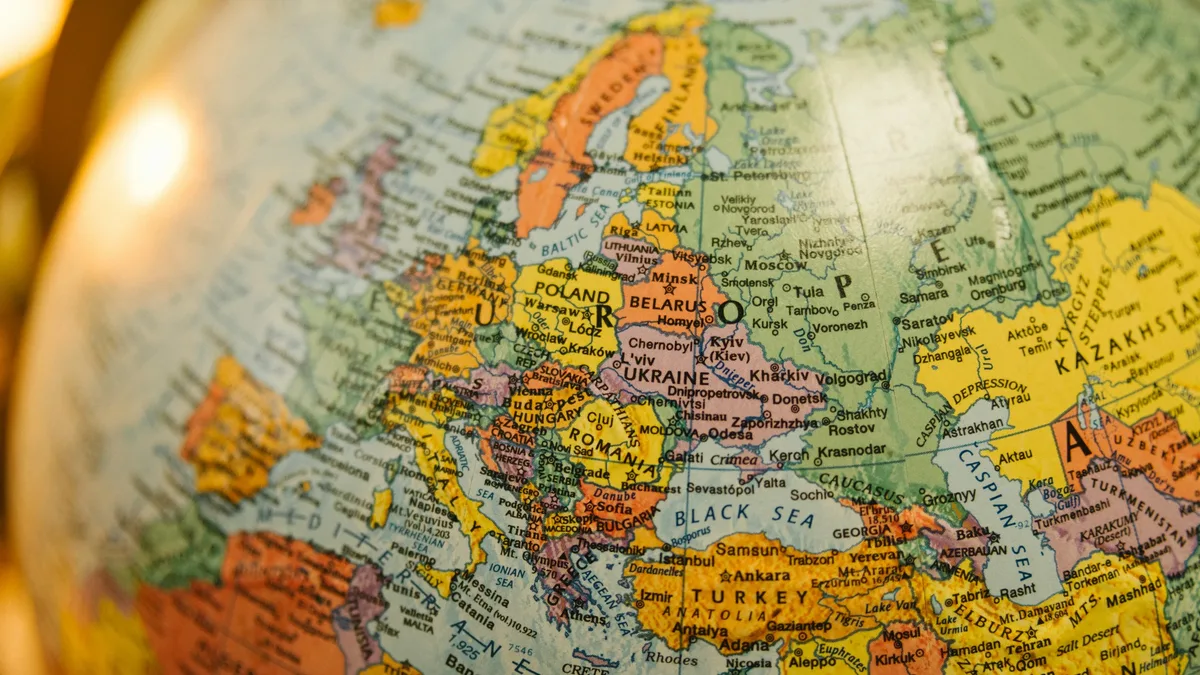
Armenia Shifts from Russia as US Gains Influence
Russia's war in Ukraine has weakened its grip on Armenia, enabling a significant US-led diplomatic and economic push.
Ukraine's National Police Thwart Russian Sabotage Campaign
Ukrainian police have successfully countered a Russian online recruitment campaign that uses dating apps and social media to turn civilians, including
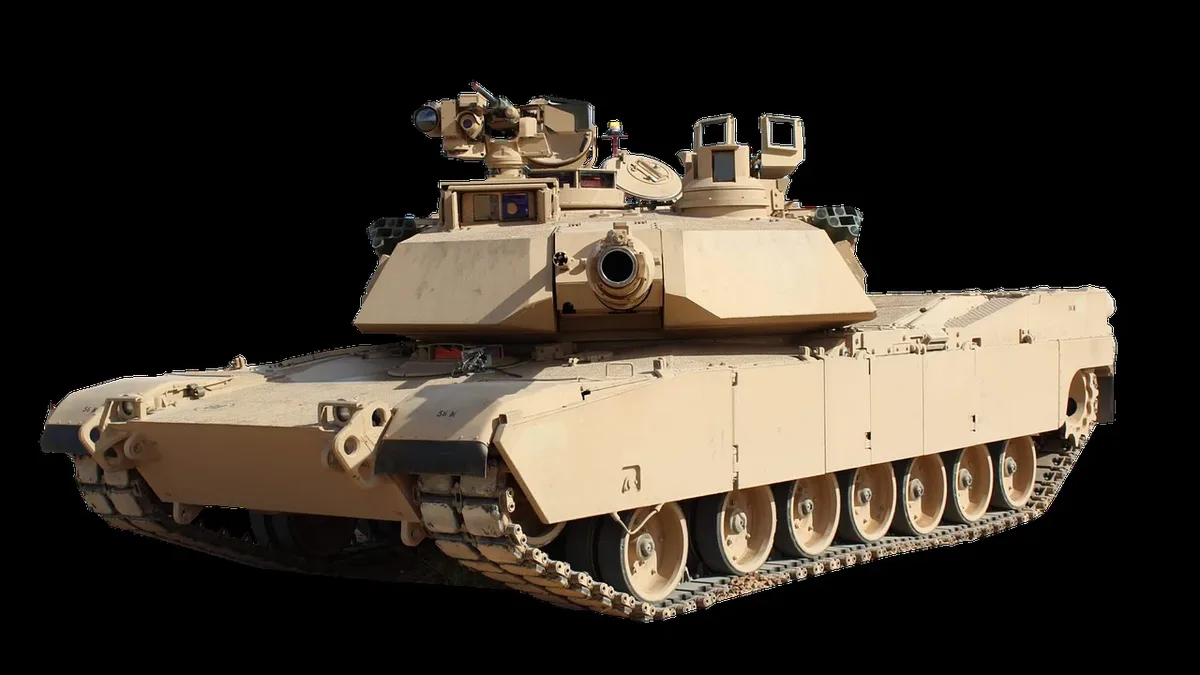
U.S. Military Aid to Ukraine Continues Under Trump
Despite claims of ending support, the Trump administration continues to provide billions in weapons and operational aid to Ukraine, shifting the...