Armenia Shifts from Russia as US Gains Influence
Russia's war in Ukraine has weakened its grip on Armenia, enabling a significant US-led diplomatic and economic push.
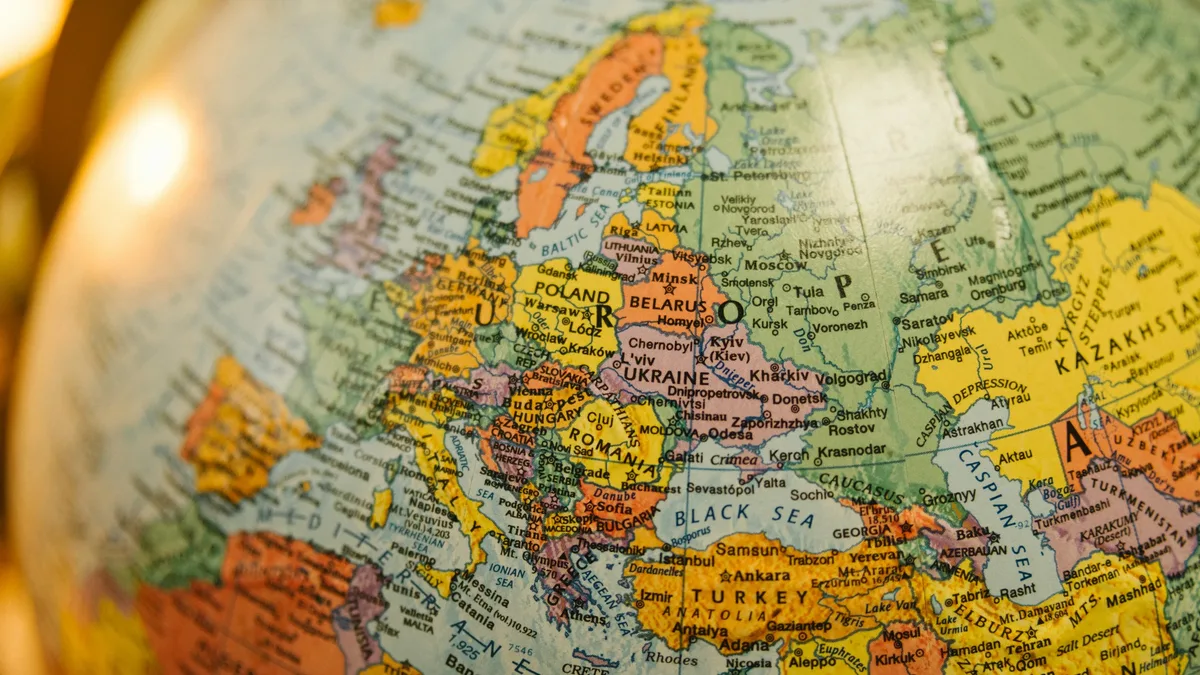
Russia's influence in Armenia is declining as its military capacity is consumed by the war in Ukraine, according to an analysis from the Atlantic Council's UkraineAlert blog. The United States has capitalized on this opening, securing new agreements and advancing a peace deal between Armenia and Azerbaijan.
The Architecture of Russian Control
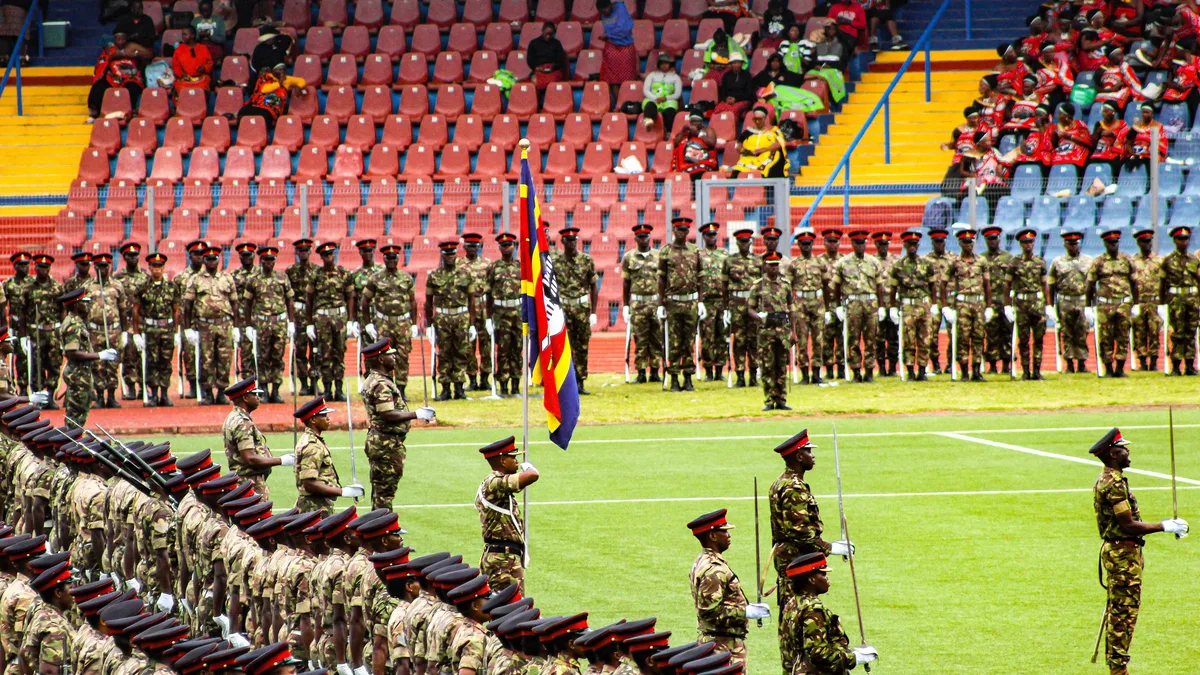
For decades, Russian dominance in Armenia was comprehensive. Between 2011 and 2020, Russia supplied 94 percent of Armenia's arms imports. Key infrastructure was under Russian control: Gazprom owns the national gas network, and Russian Railways operates the entire rail system under a concession lasting until 2038. A Russian military base in Gyumri hosts approximately 3,000 troops under a charter valid to 2044. Russian security officers previously monitored Armenia's borders with Turkey and Iran.
American and Armenian Moves to Disengage
This architecture is now being dismantled. In 2025, India replaced Russia as Armenia's largest defense supplier with contracts exceeding $1.5 billion. Armenian border guards took control of the Yerevan airport in 2024 and the Iranian border crossing in January 2025. Prime Minister Nikol Pashinyan is moving to end the Russian rail concession, arguing it causes Armenia to lose "strategic positions and competitive advantages."
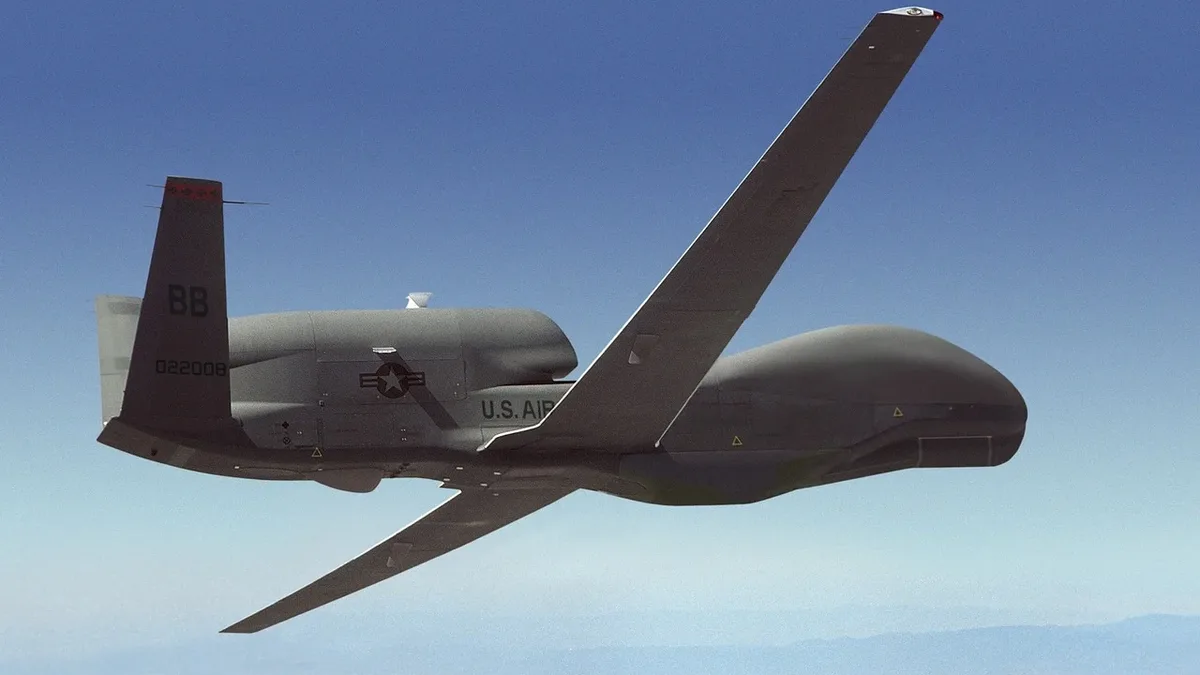
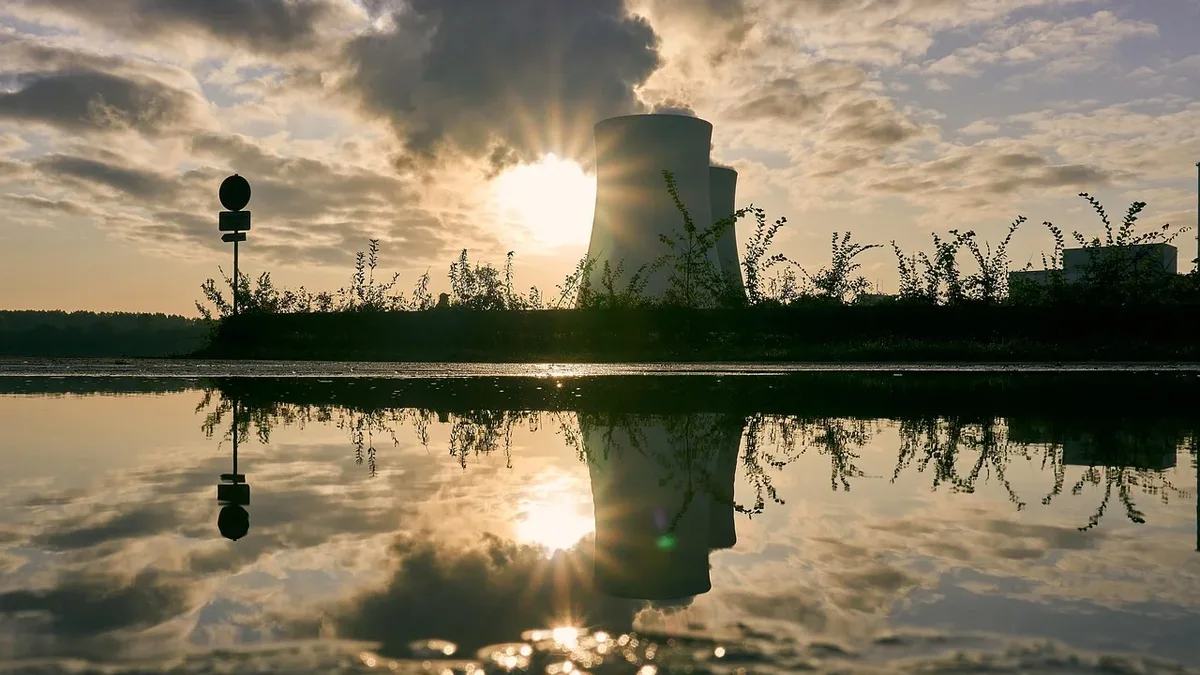
US engagement has accelerated the shift. In February, Vice President JD Vance visited Yerevan, bringing a civil nuclear agreement and an $11 million drone package. In May, Secretary of State Marco Rubio signed a strategic partnership charter, a critical minerals memorandum, and a framework for a US-developed transit corridor across southern Armenia.
Russia's Diminished Use and Response
Russia's response has been limited to economic pressure and information campaigns. Moscow banned Armenian agricultural exports, threatened gas price hikes, and warned that leaving the Eurasian Economic Union could cost Armenia 14 percent of its economy. A Kremlin-linked influence network ran campaigns against Armenia, drawing over 100 million views in a year. Despite these efforts, Pashinyan's party won 64 of 105 parliamentary seats in the summer 2026 elections.
At a September Shanghai Cooperation Organization summit, Vladimir Putin acknowledged that EU membership was Armenia's "natural and legitimate right" but warned it would break trade with Russia. Earlier, in April, Putin had pressed Pashinyan over election rules barring Russian passport holders. Pashinyan retorted that Armenia was a democracy, joking that "some say Armenia has too much democracy."
The Key US-Mediated Peace Deal
The long-running conflict between Armenia and Azerbaijan officially ended in Washington in August 2025 when the two countries initialed a US-mediated peace deal. It recognizes Soviet administrative boundaries as international borders. A central component is the Trump Route for International Peace and Prosperity (TRIPP), a transit corridor where Washington holds a 74 percent stake. This would link Azerbaijan to Turkey across Armenia and connect to the China-Europe Middle Corridor, bypassing Russia.
One clause remains unresolved. Azerbaijan demands the removal of language from Armenia's 1990 independence declaration that invokes Karabakh unification. Pashinyan stated in August that keeping the reference would mean continuing the Karabakh movement. Changing it would solidify Armenia's political reorientation and help prevent future pro-Russian leaders from restarting war with Azerbaijan.
Pashinyan frames the change as key for regional integration, promising access to Azerbaijani energy, Central Asian trade routes, and a commercial line to Europe. These are practical replacements for what Russia once offered. A landlocked country long dependent on a single patron is acquiring multiple alternatives at once.