Baltic states assess low risk of Russian
Security analysts from Estonia, Latvia, and Lithuania argue that a Russian land incursion into the Baltics is unlikely while the war in Ukraine continues
Recent US intelligence reports suggesting Russia could launch a "limited incursion" to test NATO have fueled speculation about an attack on the Baltic states. Baltic security experts, however, challenge the narrative that their nations are defenseless and argue such a scenario remains improbable for now.
Local analysts challenge incursion narrative
Baltic security analysts are rankled by hypothetical scenarios they say exhibit little understanding of the local situation. They argue that discussions often wrongly assume everything would hinge on a broader NATO response, ignoring the significant security capabilities Estonia, Latvia, and Lithuania have built. Policymakers in the region have carefully studied Russian tactics used in Ukraine since 2014 and have ramped up internal security and border defenses accordingly.
James Rice, a doctoral student at the Institute of World Politics, writes in a source for the Atlantic Council that Baltic experts take exception to suggestions their countries are virtually defenseless.
Defensive preparations and societal factors
The circumstances in the Baltic region are not directly comparable to Ukraine in 2014. While Latvia and Estonia have sizable Russian-speaking populations, the full-scale invasion of Ukraine has impacted these communities' outlook. Baltic security services assess that the appeal of Vladimir Putin's imperial agenda is limited, as Russian-speakers in the Baltics enjoy far higher living standards than in Russia. The potential for local separatist movements is regarded as minimal.
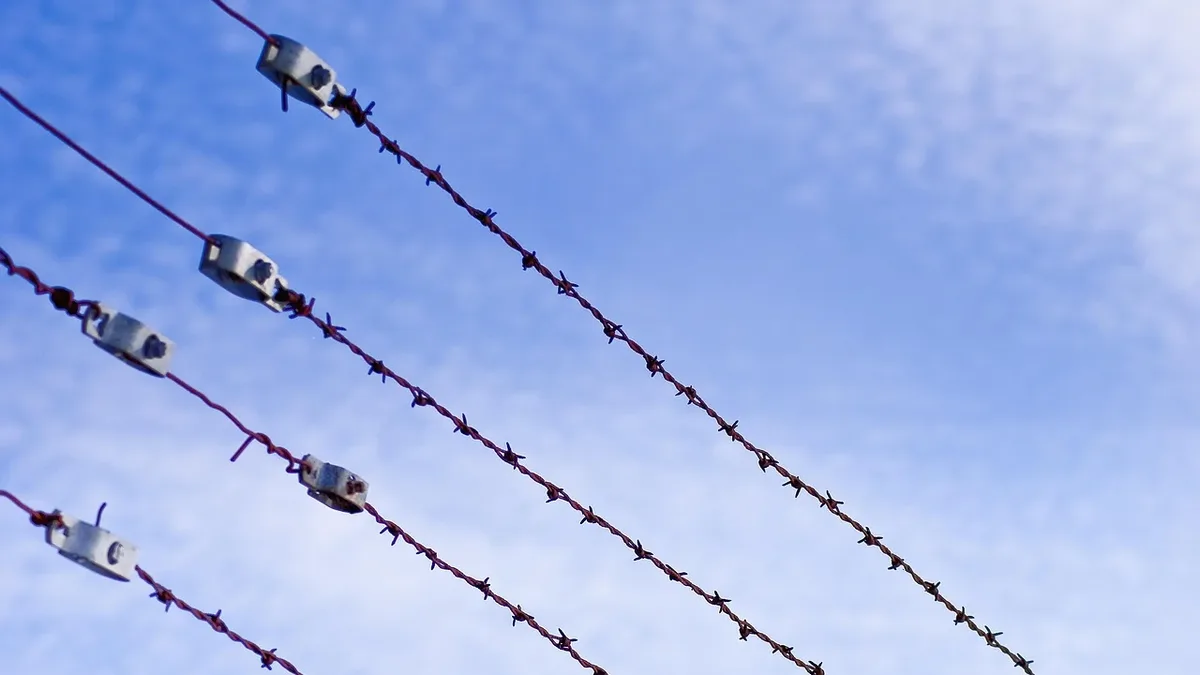
International concerns often stem from a poor understanding of the terrain. Some commentators mistakenly believe Russian forces could cross the Narva River into Estonia undetected. In reality, the Baltic nations have cooperated to create the Baltic Defense Line. This system features fences, tank obstacles, patrolled roads, natural barriers, and electronic sensors. A repeat of the covert "little green men" tactics used in 2014 would not be possible today.
Russia's capacity and current constraints
Any open Russian military incursion would face immediate opposition from Estonian, Latvian, and Lithuanian armed forces, who would not wait for a unified NATO response. Baltic intelligence assessments indicate Russia would require more men and equipment than it currently has available while engaged in Ukraine. The capitals of Tallinn, Riga, and Vilnius believe the Kremlin cannot mount a successful incursion until it resolves its manpower deficit in Ukraine. All eyes are on a possible new Russian mobilization, and any military buildup near the Baltic border will be closely monitored.
This does not mean the Baltic states are complacent. They recognize Russia has a high risk tolerance and that the possibility of a major miscalculation remains. Putin's fixation on US military posture and tendency to dismiss the agency of smaller countries could convince him a limited attack might succeed.
The Ukraine war as a deterrent
As long as Ukraine continues to defend itself, the consensus in the Baltic states is that a Russian attack remains unlikely. This is a key reason why Ukraine's Baltic partners are among the leading providers of military aid in relation to GDP. Russia's current campaign of sabotage and gray zone aggression across Europe is widely viewed in the Baltics as an attempt to deter support for Ukraine and isolate Kyiv. Analysts warn that if a ceasefire is reached and Russia is no longer bogged down in Ukraine, security assessments in Baltic capitals will change rapidly, with the threat level rising.
European security analysts are urged to pay more attention to intelligence assessments from the Baltic region itself regarding the diverse threats Russia poses. The focus must remain on maintaining support for Ukraine. The Baltic states understand Russian realities and have proposals for effectively countering the Kremlin, but whether the rest of Europe can muster the necessary political will is not yet clear.