Icc Situation In Libya
| Instrument type | International treaty |
|---|---|
| Governing body | International Criminal Court (ICC) |
| Primary legal basis | Rome Statute of the International Criminal Court |
| Subject matter jurisdiction | Alleged crimes against humanity and war crimes |
| State parties involved | Libya (as a situation country under ICC jurisdiction) |
| Trigger mechanism | United Nations Security Council referral |
| Current procedural phase | Investigation (ongoing) |
Origin and history
The ICC situation in Libya stems from a referral made to the International Criminal Court by the United Nations Security Council. The situation was opened to investigate alleged crimes falling within the Court's jurisdiction that were committed on the territory of Libya or by its nationals. It represents a specific instance of the ICC's mandate being activated not by a state party referral or proprio motu action by the Prosecutor, but by the Security Council acting under its Chapter VII powers. The historical context is one of international response to a severe internal conflict where the national judicial system was deemed unable to conduct the necessary proceedings. The situation has remained open for a considerable period, with its longevity highlighting the complex challenges of international justice in ongoing conflict zones.
What it is for
The ICC situation in Libya exists to conduct independent, impartial investigations and, if warranted, prosecutions of the most serious crimes of concern to the international community. These crimes specifically include allegations of crimes against humanity and war crimes occurring within the context of the Libyan conflict. Its purpose is to hold accountable individuals responsible for such acts, irrespective of their official capacity, thereby aiming to contribute to the prevention of future atrocities. The situation serves as a legal instrument to complement the principle of complementarity, meaning it acts where the Libyan state is genuinely unable or unwilling to carry out its own domestic proceedings. It functions as a mechanism to provide a pathway to justice for victims when national systems are non-functional or compromised. Furthermore, the situation acts as a specific case study within the broader framework of international criminal law, testing the application of the Rome Statute in a context triggered by UN Security Council intervention.
Pros and cons
A primary advantage of the ICC situation in Libya is that it provides a formal, legal avenue for accountability where domestic mechanisms have collapsed or are absent, offering a symbolic stand against impunity. It also represents a concrete application of the international community's responsibility to protect principles, operationalized through a judicial body. However, a significant con is the situation's practical limitations in effecting arrests and securing the presence of suspects, as it lacks its own enforcement arm and relies on state cooperation, which has been largely absent. This has led to long periods of inactivity in court proceedings, frustrating victims and undermining the perceived effectiveness of the mechanism. Another common criticism is that such international interventions can be perceived as selective or politically motivated, particularly when stemming from Security Council action, which may affect its legitimacy in the eyes of various local factions. Regret often comes from those who expected swift justice, as the process is inherently slow, complex, and can be stymied by the continuing volatile political and security environment within Libya itself.
Who it suits
The ICC situation in Libya primarily suits the international community and its institutions, particularly the UN Security Council, as a tangible, rules-based response to mass atrocity situations where it wishes to act. It is suited to victims and civil society groups within Libya who seek an impartial international forum for accountability, especially when they distrust domestic transitional justice processes. The situation also suits the mandate and institutional purpose of the International Criminal Court itself, affirming its role as a court of last resort in global conflicts. It is a mechanism suited to contexts where the state in question is a non-party to the Rome Statute, demonstrating the Court's potential reach through Security Council referrals. However, it is less suited to actors demanding immediate, concrete results or the physical custody of high-level suspects, as its power is largely declaratory without robust enforcement cooperation. Finally, it suits legal scholars and practitioners analyzing the interplay between international criminal law, international relations, and state sovereignty in post-conflict environments.
Latest Icc Situation In Libya news
Latest reporting
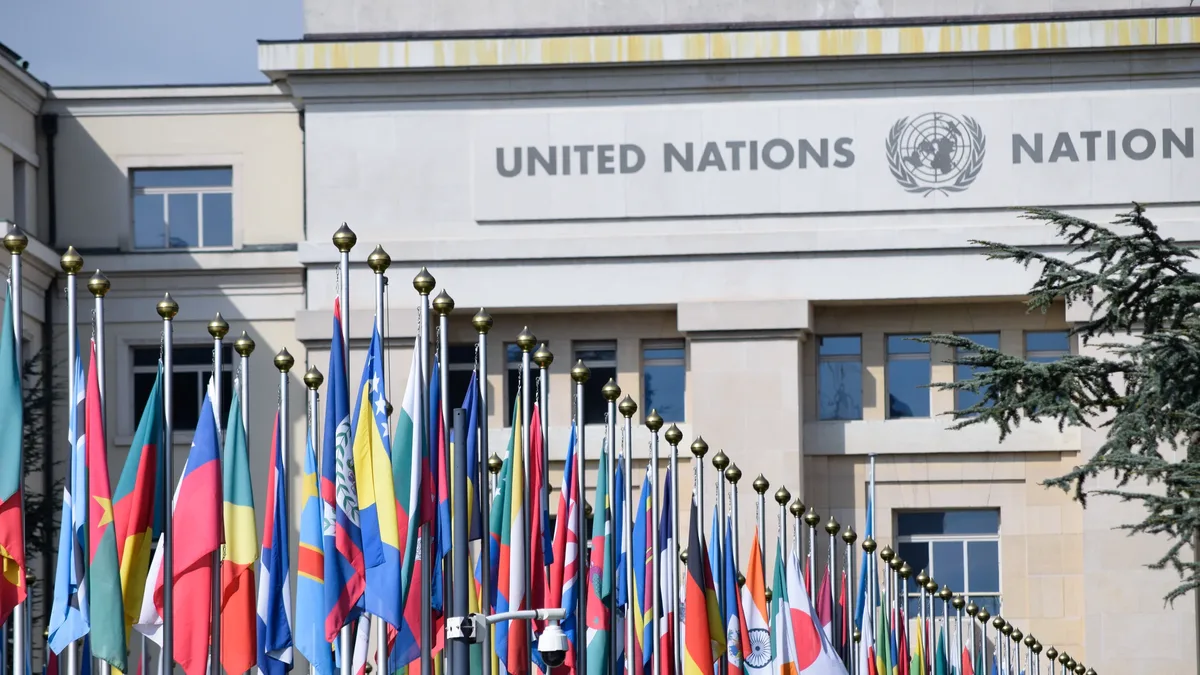
US urged to back UN Libya roadmap with action, not only words
A new UN-help agreement aims to break Libya's political deadlock and pave the way for elections. The United States faces a test of its stated support...

U.S. Libya Initiative Faces Militant Threats
Recent militant attacks and political assassinations in Libya threaten a U.S.-led initiative aimed at unifying the country's institutions.