Ukraine
| Relationship type | Bilateral treaty |
|---|---|
| First created | 1990s |
| Original use | Establish diplomatic relations and foundational cooperation |
| Governing body | Ministry of Foreign Affairs (of each state) |
| Termination clause | Typically requires written notification and a waiting period |
| Common provisions | Mutual respect for sovereignty, territorial integrity, non-aggression, economic cooperation |
Origin and history
Ukraine as a distinct national entity originates from the historical region of Eastern Europe known as Kyivan Rus'. The modern Ukrainian state traces its immediate political lineage to the Ukrainian People's Republic declared following the collapse of the Russian Empire in the early 20th century. It was subsequently incorporated as a constituent republic of the Soviet Union for most of the 20th century, a period that deeply shaped its institutions and demographics. Ukraine declared its independence from the Soviet Union in 1991, an act confirmed by a national referendum. The borders of the contemporary state were largely solidified during the Soviet period, incorporating territories with distinct historical backgrounds. The ongoing full-scale invasion by the Russian Federation that began in 2022 represents the most recent and severe chapter in a long history of conflict over the region's sovereignty and geopolitical orientation.
What it is for
As a sovereign state, Ukraine exists to guarantee the security, rights, and welfare of its citizens within its internationally recognized borders. It functions to maintain internal order, provide public services, and conduct foreign relations in pursuit of its national interests. The state is responsible for defending its territorial integrity and political independence from external aggression, a primary function tested continuously since 2014. Domestically, it establishes a legal and economic framework for civil society, business, and governance to operate. Ukraine's political institutions are designed, in principle, to represent the will of its populace and manage the diverse interests within its society. Furthermore, the state serves as the primary vehicle for the preservation and development of Ukrainian language, culture, and historical identity.
Overview
Ukraine is a unitary republic with a semi-presidential system of government, comprising 24 oblasts (regions), the Autonomous Republic of Crimea, and two cities with special status. Its capital and largest city is Kyiv, situated on the Dnieper River in the north-central part of the country. With a pre-2022 population of over 40 million, it was the second-largest country by area in Europe, featuring diverse geography from the Carpathian Mountains to the Black Sea coast. The nation's economy has historically been dominated by heavy industry and agriculture, particularly grain production. Since independence, its political landscape has been characterized by competition between pro-Western and pro-Russian orientations, culminating in the Revolution of Dignity in 2014. The ongoing war has resulted in a massive humanitarian crisis, profound economic destruction, and a total mobilization of society and resources for national defense.
What to know
The legal instrument governing Ukraine's international relationships is the United Nations Charter, which affirms its sovereignty and territorial integrity, alongside a network of bilateral treaties and multilateral agreements. Since 2014, Ukraine's most critical security relationship has been its deepened partnership with NATO, supported by substantial military and financial aid, though it remains a partner country rather than a formal member. The Association Agreement with the European Union, including a Deep and Comprehensive Free Trade Area, provides the primary framework for its political and economic integration with the EU. Internally, the Constitution of Ukraine is the supreme law, defining the state structure, citizen rights, and separation of powers. The Minsk agreements of 2014 and 2015, though largely unimplemented and now considered obsolete by Kyiv, were previously the main diplomatic instruments attempting to resolve the conflict in Donbas. The relationship with the Russian Federation is currently governed by a state of war, with no formal diplomatic relations and interactions often mediated through third parties or international courts.
Common questions
A common question concerns the linguistic division within Ukraine, which involves widespread bilingualism with Ukrainian as the sole state language and Russian spoken predominantly in eastern and southern regions. Many inquire about the status of Crimea, which is Ukrainian territory under international law but has been occupied and unilaterally annexed by the Russian Federation since 2014. People often ask about the root causes of the conflict with Russia, which center on Ukraine's sovereign choice to pursue Euro-Atlantic integration opposed by Moscow, which views Ukraine within its sphere of influence. Questions frequently arise regarding the possibility of Ukraine joining NATO or the EU, processes that are politically supported but contingent on meeting strict membership criteria and the resolution of the current war. Another common area of inquiry is the role of international law, specifically how the principle of territorial integrity enshrined in the UN Charter applies to Russia's actions. Individuals also seek to understand the domestic political landscape, which has seen significant consolidation around national defense since 2022 but historically experienced considerable volatility and oligarchic influence.
Pros and cons
A significant advantage of the Ukrainian state is the strong sense of national unity and civic identity forged in response to external aggression, which has mobilized civil society and reduced internal political fragmentation. The country possesses considerable economic potential in its agricultural sector, IT industry, and natural resources, though this is severely hampered by the war. A major disadvantage is the profound vulnerability to foreign military intervention and hybrid warfare, given its geopolitical position and contested borders, leading to immense human and material loss. The political system has historically been weakened by corruption, oligarchic control over media and parts of the economy, and judicial inefficiency, though wartime has accelerated some reform efforts. A common mistake for external observers is to view Ukraine as a monolithic entity, overlooking its regional diversity and the complex, nuanced views of its population on history, language, and foreign policy. Those who may regret engagement with Ukraine often cite the high risks associated with instability, security threats, and the challenges of operating within a wartime economy and legal framework.
Who it suits
The current Ukrainian state and its governing instruments suit a populace highly prioritizing national sovereignty, independence, and the defense of a distinct cultural and political identity from its eastern neighbor. It suits individuals and entities prepared to operate within a context of persistent national security crisis, requiring adaptability to martial law, economic disruption, and societal mobilization. The environment is suited to international partners and investors who are risk-tolerant, strategically focused on long-term European security, and willing to provide sustained political, financial, or military support. It suits diplomats and legal experts engaged in the complex application of international law concerning territorial integrity, sanctions, and post-conflict justice. The state structure suits citizens who support a centralized, unitary model of governance, particularly during wartime, as opposed to federalized systems which have been viewed with suspicion due to Russian proposals. It is less suited for those seeking immediate stability, predictable market conditions, or a resolution to the fundamental security dilemma posed by its geopolitical situation.
Latest Ukraine news
Latest reporting
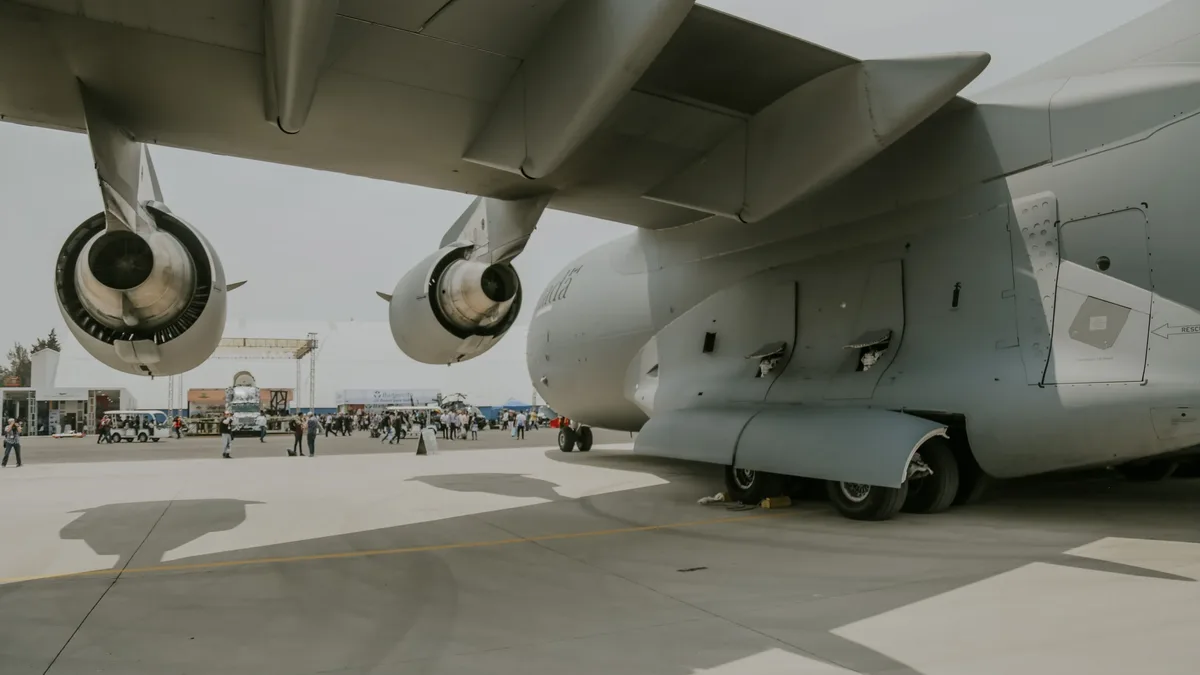
Project Aerodynamic Began U.S. Covert War in Ukraine in 1949
The CIA's first covert operation in Ukraine commenced on September 5, 1949, parachuting agents into Soviet territory to support anti-Soviet...

G7 Condemns Black Sea Strikes, Reaffirms Ukraine Support
G7 foreign ministers, meeting in Paris, condemned Russian attacks on Black Sea shipping and pledged continued military and financial support for...
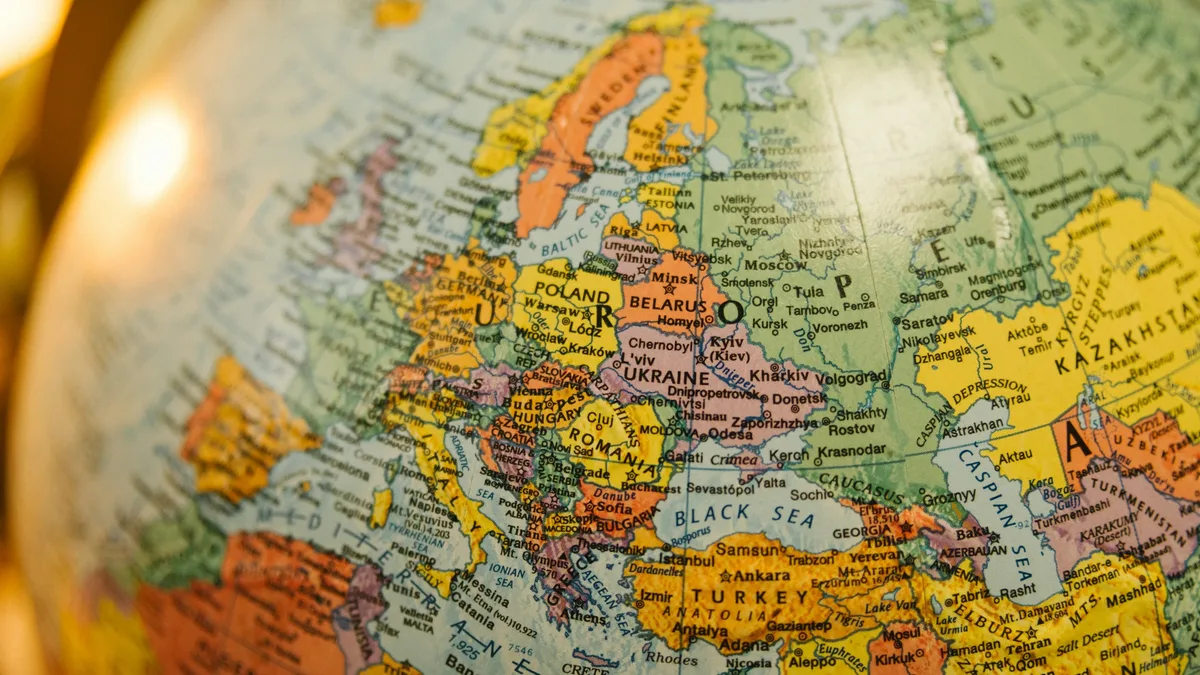
U.S. Envoys Seek European Role in Ukraine Peace Talks
After Abu Dhabi talks, U.S. negotiators push to include Europe in a new security framework, but Moscow rejects direct European participation amid...

Oleshky Ceasefire Marks First Humanitarian Success Since 2022
A six-day humanitarian ceasefire in Oleshky, Ukraine, mediated by First Lady Melania Trump and Pope Leo XIV, was successfully implemented on October...
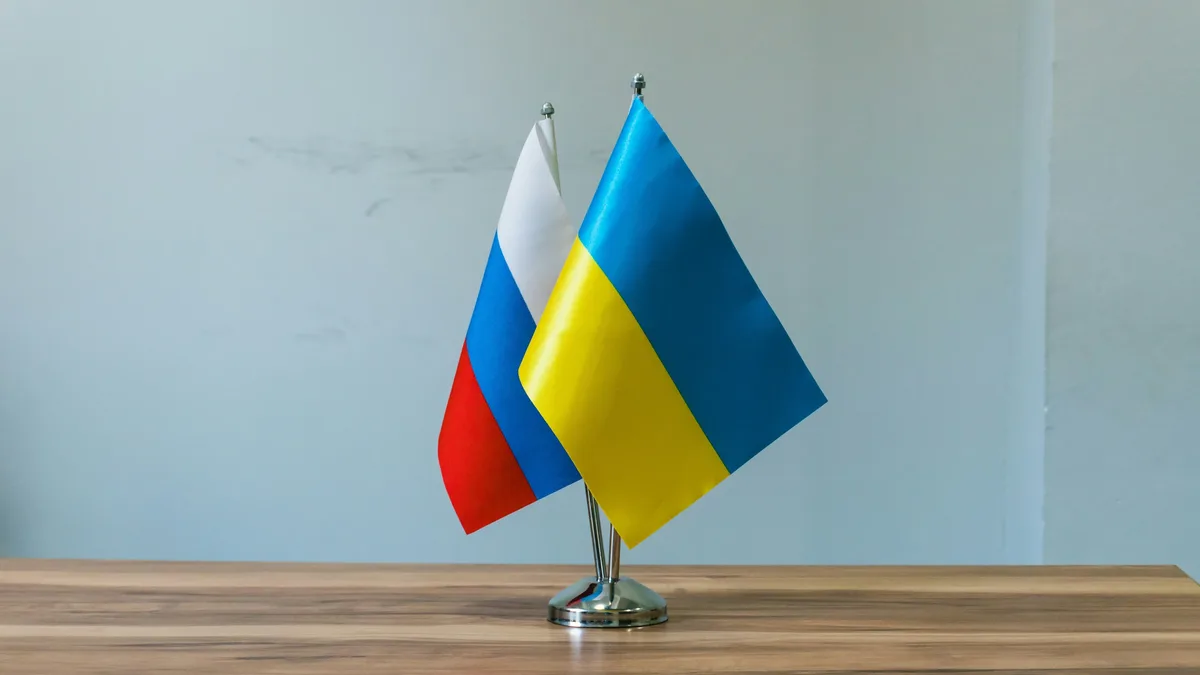
Trump's Concessions to Russia Undermine Ukraine Ahead of Abu Dhabi Talks
As US-Russia-Ukraine talks convene in Abu Dhabi, President Trump's policy shifts have eased pressure on Moscow while Putin offers no substantive...

G20 Foreign Ministers Fail to Agree on Ukraine and Supply Chains
A G20 foreign ministers' meeting in Atlanta ended without consensus on Russia's war in Ukraine and critical supply chain security, highlighting deep...