The Shanghai Cooperation Organisation
| First created | 2001 |
|---|---|
| Original use | Political, economic, and security cooperation |
| Governing instrument | SCO Charter |
| Headquarters location | Beijing, China |
| Supreme decision-making body | Heads of State Council |
| Key permanent body | Regional Anti-Terrorist Structure (RATS) |
| Founding members | China, Kazakhstan, Kyrgyzstan, Russia, Tajikistan, Uzbekistan |
Origin and history
The Shanghai Cooperation Organisation (SCO) originated from a grouping known as the Shanghai Five. The Shanghai Five was formed on 26 April 1996 when China, Kazakhstan, Kyrgyzstan, Russia, and Tajikistan signed the Treaty on Deepening Military Trust in Border Regions in Shanghai. This initial mechanism focused primarily on building confidence and resolving border disputes among the member states following the dissolution of the Soviet Union. Subsequent annual summits of this group were held in Almaty, Bishkek, and Dushanbe, where cooperation expanded to include statements on opposing foreign intervention. The institutional transformation into a formal organisation occurred in June 2001, when the leaders of those five nations and Uzbekistan met again in Shanghai to sign the declaration establishing the SCO. The SCO Charter, which detailed the organisation's purposes and structure, was signed in June 2002 in Saint Petersburg and entered into force on 19 September 2003.
What it is for
The primary purposes of the Shanghai Cooperation Organisation are to promote cooperation in political, economic, and security domains among its member states. A core function is maintaining regional stability, which includes joint efforts on counter-terrorism, separatism, and extremism, largely coordinated through its permanent Regional Anti-Terrorist Structure (RATS). Economically, the organisation aims to foster integration through projects and agreements related to transportation, energy, and telecommunications infrastructure across Eurasia. It also serves as a platform for member states to coordinate positions on international issues and advocate for a multipolar world order. The SCO provides a framework for resolving border disputes and building military trust, a foundational aspect inherited from the Shanghai Five. Furthermore, it engages in cultural and humanitarian cooperation to strengthen ties between the populations of its diverse member states.
Overview
The Shanghai Cooperation Organisation is a permanent intergovernmental international organisation with a charter and a defined structure. Its supreme decision-making body is the Council of Heads of State, which meets annually at rotating summit locations. The organisation's permanent bodies include a Secretariat based in Beijing and the Executive Committee of the Regional Anti-Terrorist Structure headquartered in Tashkent. As of 2024, the SCO has ten full member states: China, India, Iran, Kazakhstan, Kyrgyzstan, Pakistan, Russia, Tajikistan, Uzbekistan, and Belarus. It is the world's largest regional organisation by geographic scope and population, covering approximately 24% of the world's land area and 42% of the global population. The SCO also maintains formal relations with the United Nations and other international organisations and engages several observer states and dialogue partners.
What to know
Membership expansion has been a significant process, with India and Pakistan joining as full members in June 2017 after a lengthy procedure that began with their observer status. Iran's accession to full membership was completed in July 2023, followed by Belarus in July 2024, demonstrating the organisation's ongoing growth. Decision-making within the SCO is based on the principle of consensus among member states, which can slow down the adoption of ambitious joint initiatives. The organisation does not function as a mutual defence pact like NATO, but its security cooperation is substantial and focused on non-traditional threats. Its combined economic weight is considerable, with member states' nominal GDP accounting for around 23% of the world total as of 2024. The annual summit communiqués often reflect shared positions on respecting sovereignty and non-interference in internal affairs, which are central tenets of the organisation.
Common questions
A common question is whether the SCO is a military alliance, to which the answer is no; its security cooperation is primarily oriented towards counter-terrorism and intelligence sharing rather than collective defence. People often inquire about the relationship between member states India and Pakistan, which both belong to the SCO despite their bilateral tensions, using the platform for diplomatic engagement. Many ask about the criteria for joining, which involves a lengthy process from observer or dialogue partner status to signing a memorandum of obligations and gaining consensus approval from all existing members. Questions arise regarding the SCO's stance on Western-led international institutions, and it is seen as promoting an alternative, Eurasian-centric platform for diplomacy and development. Another frequent query concerns the official languages of the organisation, which are Russian and Chinese. Observers also commonly ask about the practical impact of its economic agreements, which have seen varying levels of implementation across different member state pairings.
Pros and cons
A significant advantage of the SCO is its provision of a stable, high-level diplomatic forum for Eurasian powers, including rivals, to discuss security and economic issues. It has successfully institutionalized confidence-building measures, particularly concerning border security, which has reduced tensions among its original members. The organisation offers a counterbalance for member states seeking multilateral engagement outside of Western-dominated institutions, enhancing their diplomatic leverage. A major con is that the consensus principle often leads to lowest-common-denominator outcomes, preventing bold collective action on contentious issues. The organisation's economic agenda frequently produces declarations of intent that lack binding commitments or sufficient funding, resulting in slow practical implementation. Member states with opposing strategic interests, such as India and China, can use the platform to manage relations but may also block initiatives that conflict with their national positions, frustrating other members.
Who it suits
The Shanghai Cooperation Organisation suits states that prioritize the principles of sovereignty and non-interference above all else and seek a multilateral venue to affirm these values. It is particularly suited for landlocked Eurasian nations seeking to enhance their connectivity and economic ties with major regional powers like China and Russia. States facing domestic security challenges related to terrorism or extremism find value in the intelligence-sharing and joint exercise capabilities offered through the RATS framework. The organisation suits rising powers like India that wish to engage strategically across multiple blocs without being exclusively aligned with any single one. It also suits resource-rich economies looking to diversify their trade and infrastructure partnerships across the continent. Regimes facing international isolation or sanctions may view SCO membership as a means to achieve diplomatic recognition and economic linkages, thereby reducing their geopolitical vulnerability.
Latest The Shanghai Cooperation Organisation news
Latest reporting
U.S. and Hungary Sign Energy and Security Pacts
The United States and Hungary formalized agreements on energy infrastructure and counter-terrorism cooperation in a Washington signing ceremony on...
U.S. and India Deepen Strategic Partnership Through Trade and Defense
U.S.-India relations have reached unprecedented levels with bilateral trade hitting $240 billion, a twelvefold increase in fifteen years, alongside...
Marco Rubio Visits Iceland to Mark 75th Anniversary of Defense Agreement
U.S. Secretary of State Marco Rubio visited Iceland on October 6, 2026, reaffirming the 75-year-old defense alliance and discussing enhanced Arctic...
U.S. and Japan Deepen Strategic Science and Technology Ties
The United States and Japan have signed new agreements and launched a $1 billion partnership to advance cooperation in quantum computing and fusion...
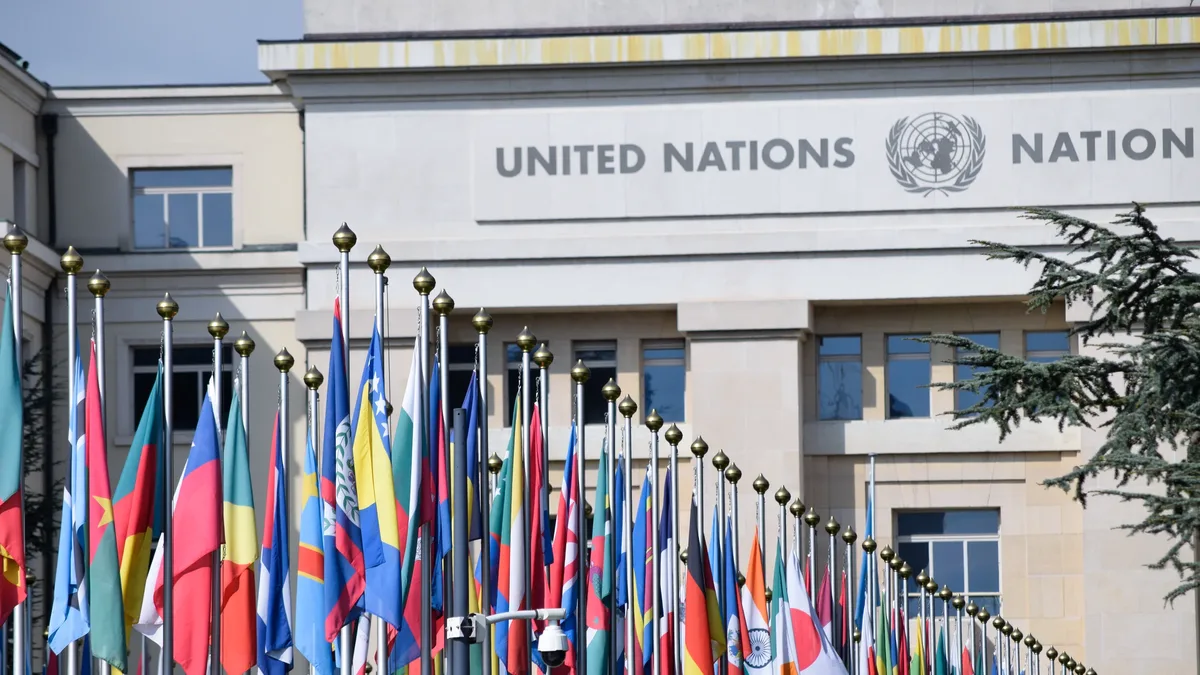
UN General Assembly Faces Competition Over Cooperation
The UN General Assembly opens amid a state of permanent crisis, with major power leaders skipping the event and U.S. Policy creating uncertainty.
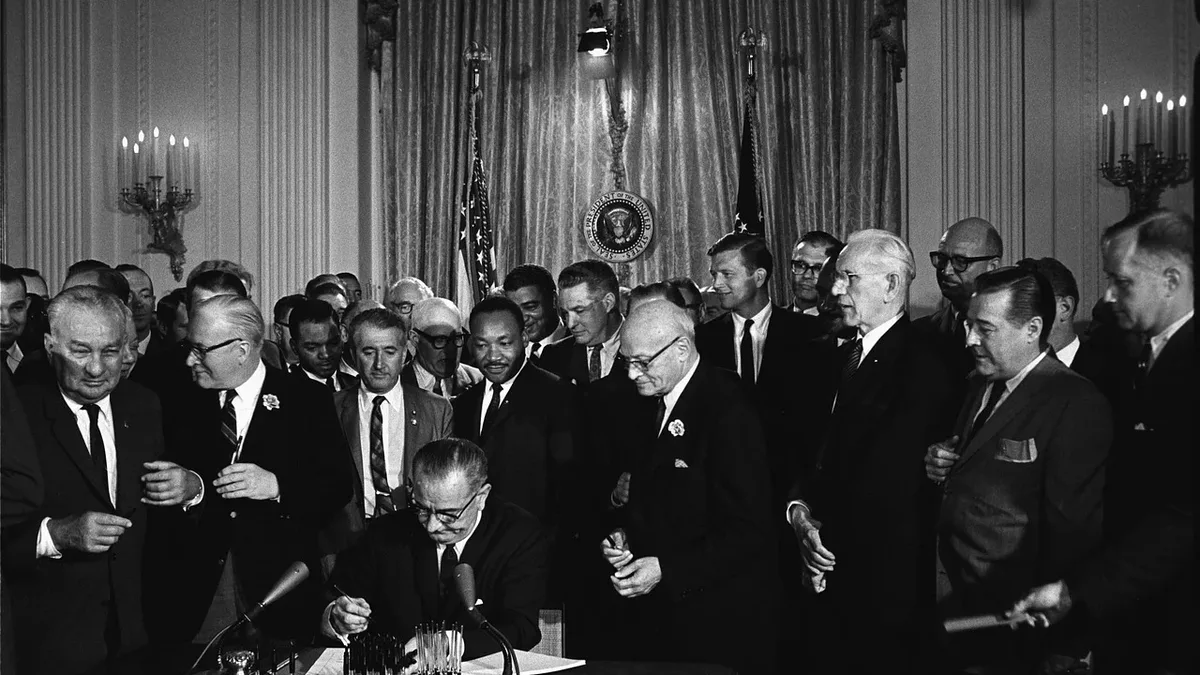
US and Colombia Seek Durable Partnership Under New Leaders
One month into President Abelardo de la Espriella's term, early alignment with the Trump administration offers a chance to reset US-Colombia...