U.S. and Hungary Sign Energy and Security Pacts
The United States and Hungary formalized agreements on energy infrastructure and counter-terrorism cooperation in a Washington signing ceremony on October 29, 2026.
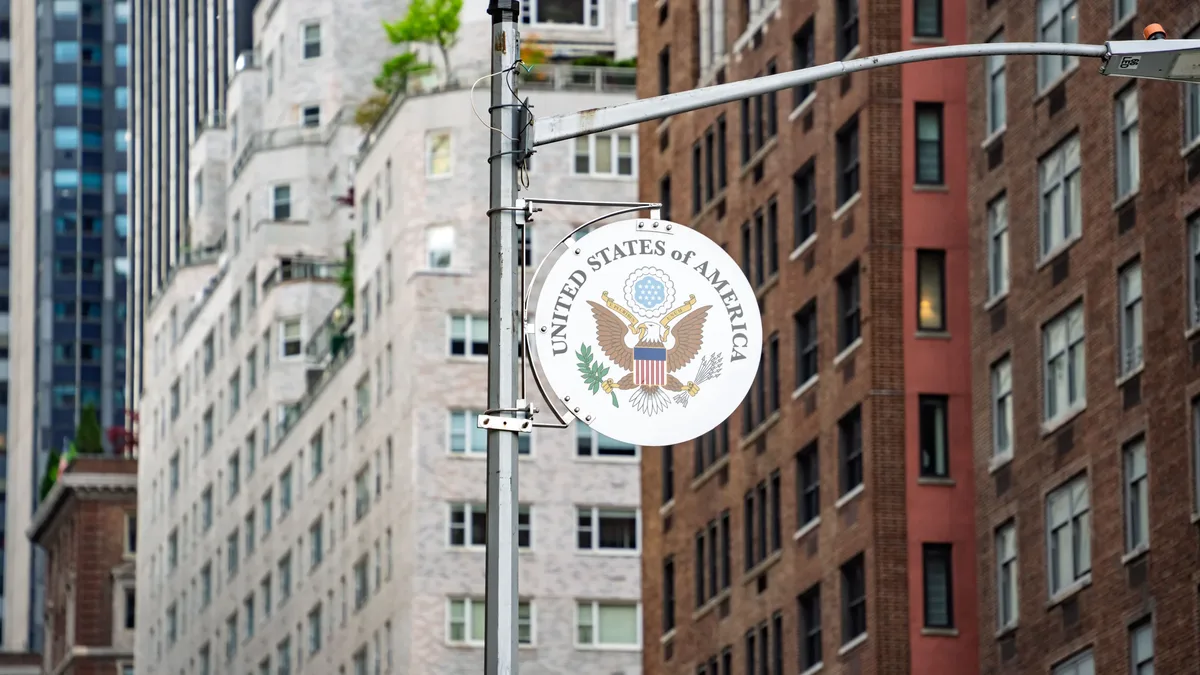
The United States and Hungary have signed two memoranda of understanding in Washington to strengthen energy infrastructure and law enforcement collaboration. Hungarian Foreign Minister Anita Orbán and U.S. Secretary of State Marco Rubio signed the cooperation agreements on Thursday, October 29, 2026, at the U.S. State Department. The pacts aim to enhance regional energy security and combat far-left terrorism through deepened bilateral ties.
Secretary Rubio and Foreign Minister Orbán finalized the documents in the Treaty Room. The event was attended by senior officials including U.S. Under Secretary of State for Political Affairs Allison M. Hooker and Under Secretary for Arms Control Thomas G. DiNanno. The meeting, held behind closed doors, had been postponed from the previous Tuesday after Rubio joined a campaign event with former President Donald Trump in Texas.
Energy initiative expands regional resilience
The energy memorandum operates under the Trump Peace Pipelines Framework. It seeks to diversify and strengthen energy supply in Central and Eastern Europe using U.S. resources. This includes expanding the region’s capacity to import American liquefied natural gas.
The initiative is part of a broader U.S. effort to support energy infrastructure development in the region, launched at the Three Seas Initiative summit in Dubrovnik last April. The agreement is described as a milestone in economic and energy cooperation. It aims to improve the resilience and competitiveness of the regional energy ecosystem. Potential future cooperation includes American crude oil purchases and the development of small modular nuclear reactors, with a framework encouraging Hungary to prioritize U.S. nuclear technology.
Security pacts target far-left extremism
The second memorandum enhances law enforcement cooperation and information-sharing to combat crimes committed by radical organizations. It focuses specifically on countering far-left terrorism, including networks such as Antifa Ost. The agreement aims to improve the tracking, detection, and prosecution of cross-border terrorist networks targeting infrastructure and historical landmarks.
Secretary Rubio highlighted the international nature of the threat. Marco Rubio said: "It’s an honor to be here with Foreign Minister Orbán, and the opportunity to sign these two important agreements." He also stated that the two nations are aligned in confronting a resurgence of far-left terrorism, which he claimed had been ignored for too long.
A process of continued alignment
The signing signals a strategic deepening of U.S.-Hungary relations across political, security, nuclear, defense, and economic spheres. The agreements reflect efforts by Hungary’s new government to preserve arrangements negotiated under former Prime Minister Viktor Orbán. This includes pending Hungarian legislation to make legally binding a civilian nuclear agreement signed during Rubio’s visit to Budapest in February.
A U.S. sanctions exemption for Russian oil and gas imports, set to expire on November 21, is part of the wider context, though it was not mentioned in the signed documents. Foreign Minister Orbán emphasized that the memorandums are key milestones but are part of an ongoing process. She stressed the need for concrete next steps and continued cooperation beyond the ceremony. Orbán also met with officials from the U.S. International Development Finance Corporation and the Treasury Department to discuss potential Hungarian energy and transport investments.
The process will continue with scheduled official meetings and the implementation of detailed action plans.