South Africa
| Country of origin | South Africa |
|---|---|
| Original use | Regulating bilateral relations |
| First created | 1994 |
| Type | Bilateral treaty |
| Key areas | Trade, investment, technical cooperation |
| Status | In force |
Origin and history
The modern state of South Africa originates from the southern tip of the African continent, formed through a complex history of indigenous settlement, colonial conquest, and political unification. Indigenous Khoisan peoples inhabited the region for millennia before the southward migration of Bantu-speaking groups centuries ago. European settlement began in the mid-17th century with the establishment of a Dutch refreshment station at the Cape of Good Hope, which later came under British control in the early 19th century. The discovery of diamonds and gold in the late 19th century intensified British imperial ambitions and conflict with the Boer republics, leading to the Anglo-Boer Wars. The Union of South Africa was created in 1910 as a self-governing dominion of the British Empire, unifying the British colonies and the former Boer republics. This union laid the administrative foundation for the apartheid state, which was formally institutionalized following the National Party's election victory in 1948.
What it is for
South Africa functions as a sovereign constitutional republic with a government responsible for the security, welfare, and governance of its territory and citizens. Its state institutions are designed to administer a diverse nation, manage its economy, and provide public services across its nine provinces. The state exists to uphold the rule of law as enshrined in its post-apartheid constitution, which is among the most progressive in the world. It maintains diplomatic relations with other states and participates in international bodies to pursue its national interests and contribute to global affairs. Domestically, a core function is to address profound socio-economic challenges inherited from its history, including inequality, poverty, and spatial segregation. The state also has a mandate to protect its unique biodiversity and manage its significant natural resource base, including mineral wealth, for national development.
Overview
South Africa is a nation characterized by its multi-ethnic society, often described as the "Rainbow Nation," with twelve official languages recognizing its diverse cultural makeup. It operates as a parliamentary republic with a three-tier system of government: national, provincial, and local, with a President as both head of state and head of government. The country possesses a mixed economy that is the second-largest on the African continent, with key sectors including mining, manufacturing, services, and agriculture. Its landscape ranges from coastal plains and the Karoo semi-desert to the Drakensberg mountain range, supporting significant ecological diversity. The constitutional democracy, established in 1994, is built upon a bill of rights and independent institutions like the Constitutional Court to support democracy. Despite its political transformation, the nation continues to grapple with the deep-seated economic and social legacies of colonialism and apartheid.
What to know
The Constitution of the Republic of South Africa, 1996, is the supreme law and foundational instrument governing the state and its relationship with citizens, emphasizing human dignity and equality. The African National Congress (ANC) has been the dominant ruling party since the first democratic elections in 1994, though its electoral majority has gradually diminished. South Africa is a member of key international organizations including the United Nations, the African Union, the G20, and BRICS, reflecting its middle-power diplomatic status. The country has a bifurcated economy featuring a sophisticated financial and industrial sector alongside a large informal economy and persistently high unemployment rates. Key challenges include addressing crime rates, corruption within state institutions, and an ongoing energy crisis characterized by frequent scheduled power cuts, known as load-shedding. Understanding South Africa requires recognizing the enduring spatial and economic patterns of apartheid, which continue to influence residential areas, land ownership, and access to opportunity.
Common questions
What are the capital cities of South Africa? South Africa has three capital cities: Pretoria (administrative), Cape Town (legislative), and Bloemfontein (judicial). What languages are spoken there? There are twelve official languages, with isiZulu, isiXhosa, Afrikaans, and English being among the most widely spoken. What was apartheid? Apartheid was a system of institutionalized racial segregation and discrimination enforced by the National Party government from 1948 to 1994, denying political and economic rights to the non-white majority. How is the president chosen? The President is elected by the National Assembly, the lower house of Parliament, from among its members following a general election. What is the significance of Nelson Mandela? Nelson Mandela was the first democratically elected President, a former political prisoner, and a global symbol of the anti-apartheid struggle and reconciliation. Is South Africa safe for travel? Major cities and tourist destinations have well-developed tourist circuits, but visitors are commonly advised to be vigilant about crime, particularly in certain urban areas.
Pros and cons
Pros include a robust constitutional framework that strongly protects human rights, a free press, and an independent judiciary that has often acted as a check on executive power. The country boasts a diverse and beautiful natural environment, offering significant tourism potential, and has a highly developed financial and legal sector relative to the region. A major con is the severe and persistent socio-economic inequality, which ranks among the highest globally and fuels social instability and crime. Widespread corruption, often described as state capture, has severely undermined public service delivery, eroded state capacity, and damaged economic growth. Chronic failures in state-owned enterprises, most notably in electricity supply, have led to an ongoing energy crisis that cripples business activity and daily life. Many citizens and investors regret the gap between the country's progressive laws and its implementation challenges, with a common mistake being an underestimation of the deep structural barriers to reform and the time required for meaningful change.
Who it suits
South Africa suits individuals and entities who are resilient, adaptable, and prepared to navigate a complex environment with both first-world infrastructure and developing-world challenges. It is suited for those committed to being part of a dynamic, multicultural society undergoing a difficult but historic transformation, often appealing to people with a high tolerance for ambiguity. The business environment can suit entrepreneurs and investors who understand local contexts, can manage risk, and operate in sectors less dependent on failing public utilities. It suits academics, researchers, and NGOs focused on fields like constitutional law, transitional justice, public health, and ecology, where the country presents a living laboratory of relevant issues. The lifestyle suits those who value outdoor activities, climate diversity, and a relatively low cost of living for certain standards of living, provided they can secure private services like security and power backup. It does not suit those seeking predictable public administration, consistent service delivery, or a low-crime environment without significant personal mitigation measures.
Latest South Africa news
Latest reporting

Trump Terminates AGOA Benefits for South Africa and Rwanda
The Trump administration has removed South Africa and Rwanda from the African Growth and Opportunity Act, ending their duty-free access to the U.S...
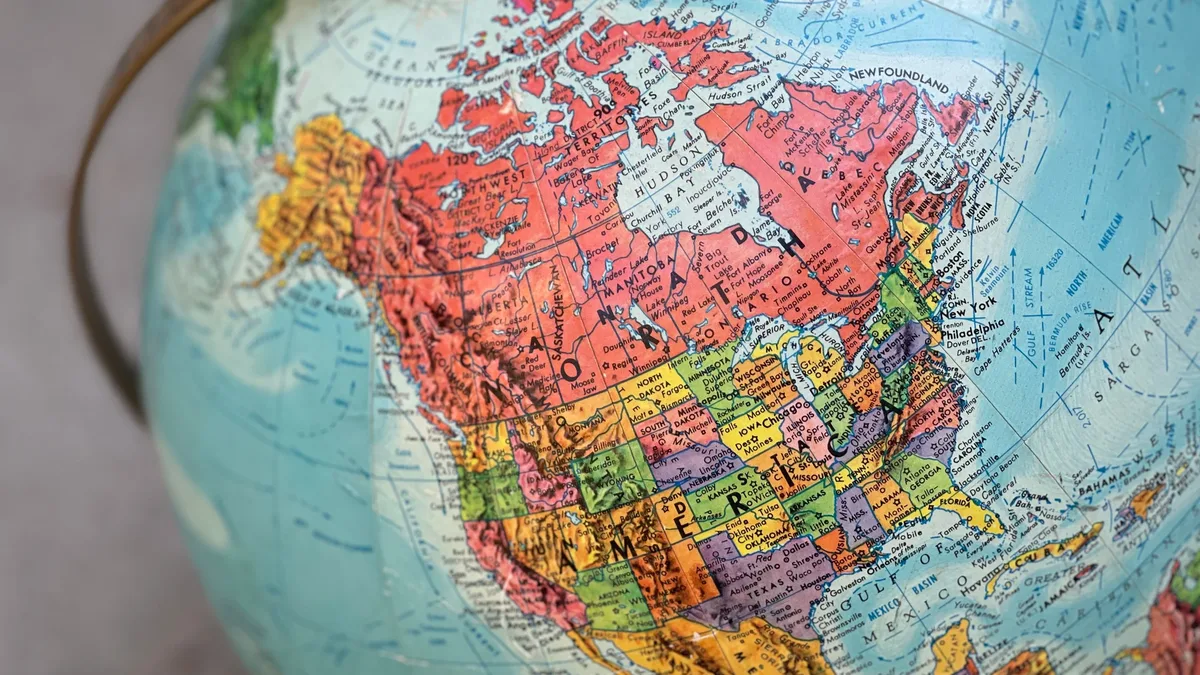
U.S., Japan, South Korea Deepen Arctic and Security Ties at G20
The foreign ministers of the United States, Japan, and South Korea met in Atlanta on October 30, 2026, reaffirming a strong deterrence posture...

Ethiopia's Tigray War Resumes as Eritrean Troops Advance
The Pretoria peace deal has collapsed, with Tigrayan forces seizing airports and Eritrean troops advancing south, reigniting a conflict that...
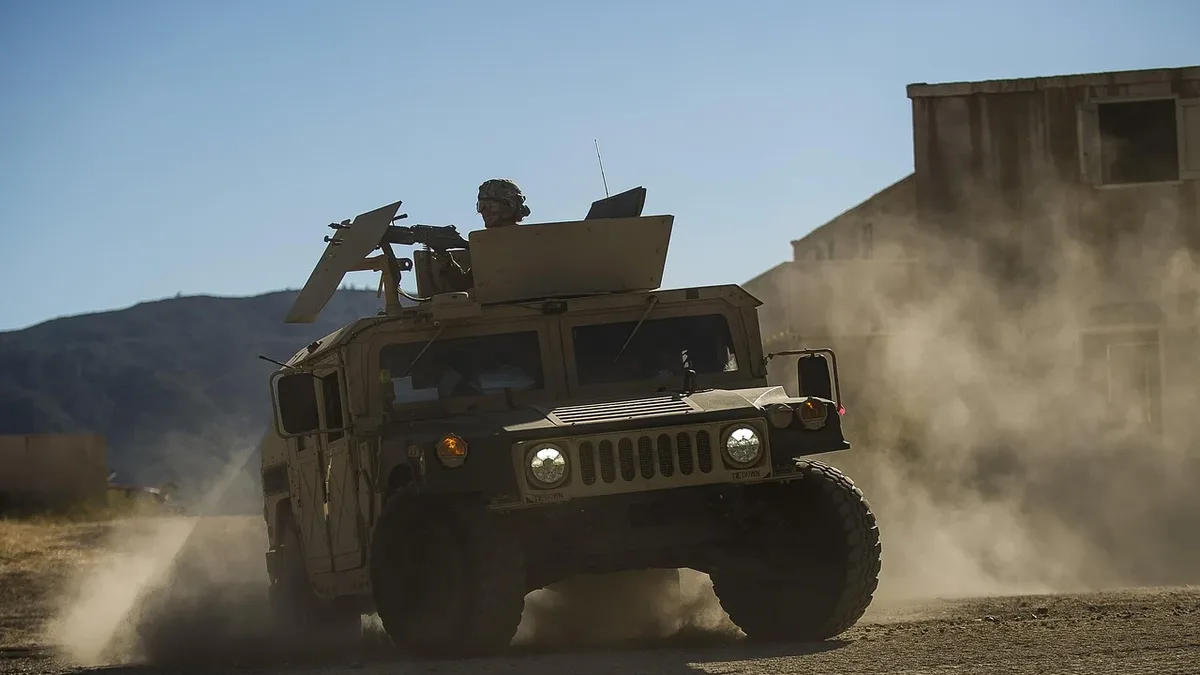
South Korea Refuses Military Deployment to Strait of Hormuz
President Lee Jae-myung rules out sending troops to support the U.S. War against Iran, citing high risks and domestic opposition, despite sustained...
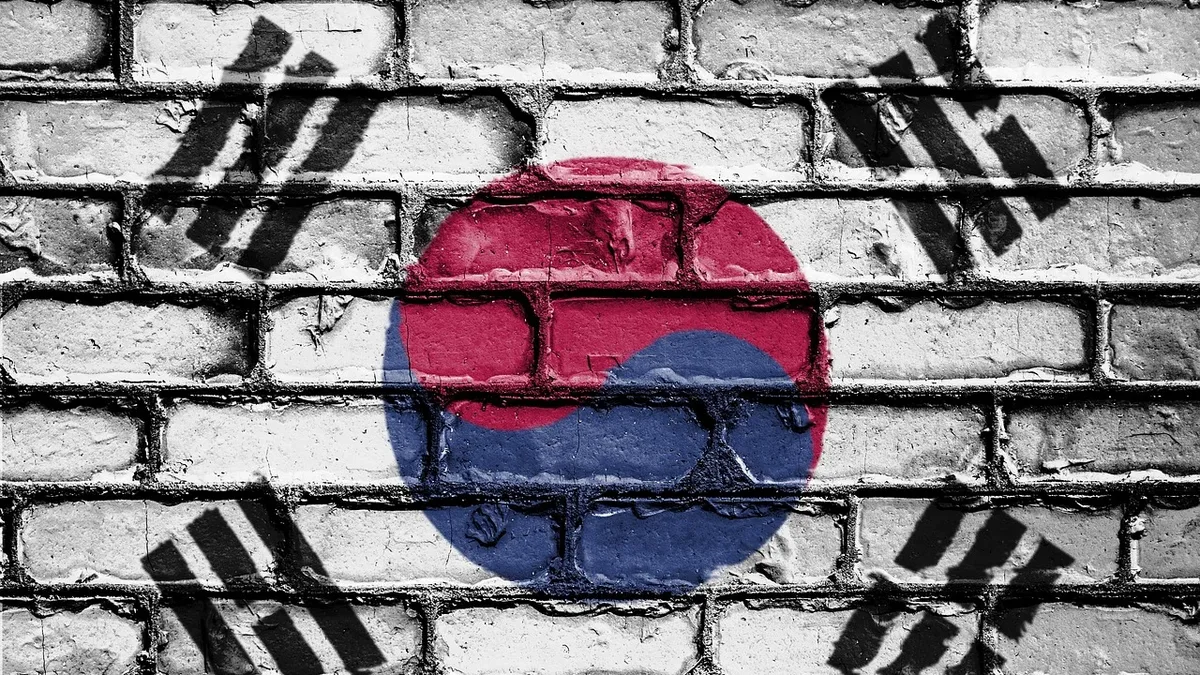
South Korea's Strategic Ambiguity on Taiwan Contingency
An expert analysis reveals South Korea's public stance on Taiwan remains deliberately ambiguous.
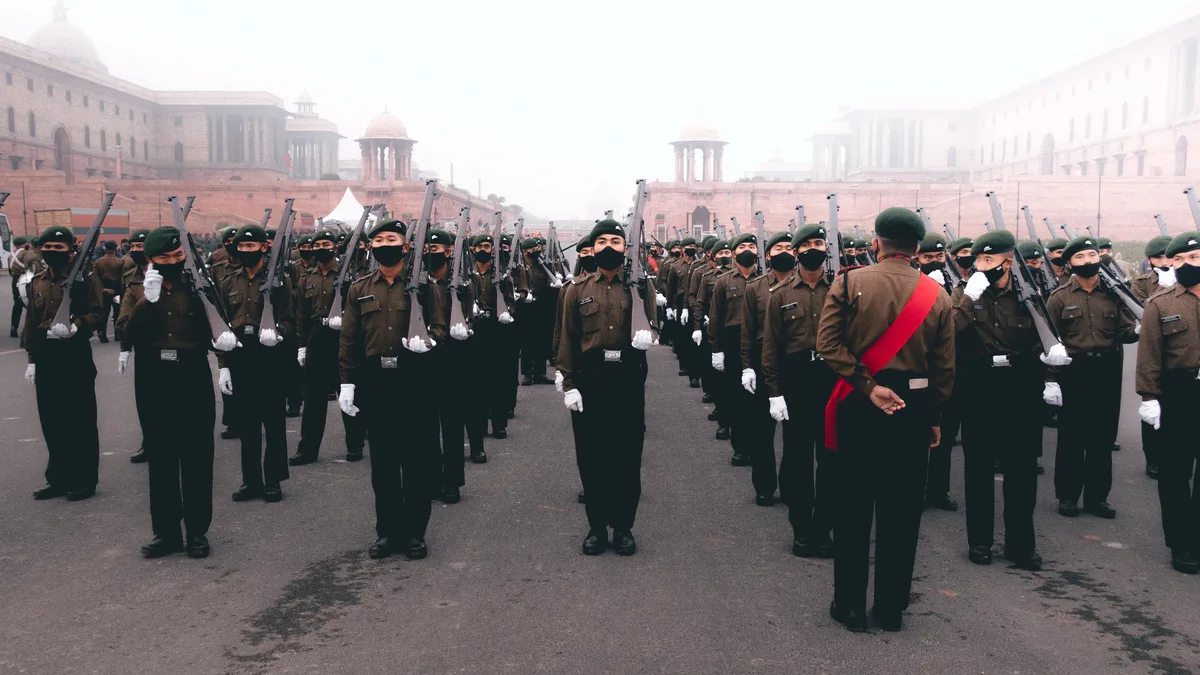
South Korea Debates Overseas Troop Deployment Principles
A South Korean lawmaker argues Seoul needs clear principles for deploying troops abroad, as it faces simultaneous U.S.