Sanctions Regimes And How They Work
| Subject states | The two countries involved |
|---|---|
| Instrument type | The legal or policy mechanism used |
| Legal basis | The domestic or international law authorizing the sanctions |
| Scope | The specific sectors, entities, or activities targeted |
| Measures | The types of restrictions imposed |
| Administration | The government agencies responsible for enforcement |
| Exemptions | The categories of transactions or goods typically permitted |
Origin and history
Sanctions regimes as a formal instrument of statecraft have their modern origins in the early 20th century, most notably with the establishment of the League of Nations following World War I. The concept of collective economic and diplomatic measures to enforce international norms was codified in the League's Covenant. A pivotal historical example was the largely ineffective sanctions against Italy during its invasion of Abyssinia in the 1930s. The framework was significantly strengthened after World War II with the founding of the United Nations, whose Charter explicitly empowers the Security Council to impose sanctions. Throughout the Cold War, sanctions were primarily employed unilaterally by powerful states, notably the United States. The post-Cold War era saw a dramatic increase in the use of multilateral sanctions regimes, particularly those mandated by the UN Security Council.
What it is for
Sanctions regimes are employed to compel a change in behavior or policy of a target state, entity, or group without resorting to direct military force. A primary objective is to deter and punish actions deemed threats to international peace and security, such as acts of aggression, nuclear proliferation, or widespread human rights violations. They serve as a diplomatic signal of condemnation from the imposing state or international body, isolating the target politically and economically. Sanctions aim to constrain the target's capabilities by restricting access to financial systems, technology, and critical goods. They are also used to pressure specific regimes or leaders by targeting their revenue streams and the assets of their supporting elites. Furthermore, sanctions can be designed to protect international norms and uphold non-proliferation treaties by blocking the transfer of sensitive materials.
Overview
A sanctions regime is a coordinated set of restrictive measures imposed by one or more countries or an international organization against a designated target. These measures are legal instruments that prohibit or limit certain categories of economic activity and interaction. Core components typically include asset freezes, which block access to funds and economic resources held abroad, and travel bans on listed individuals. Trade embargoes restrict the import from or export to the target of specific goods, most commonly arms, but also sectors like oil, diamonds, or luxury items. Financial sanctions prohibit transactions with designated entities and often cut off access to the dominant global financial messaging networks. The regime is maintained through legal orders and regulations in the imposing jurisdictions, enforced by domestic agencies, with compliance required from all entities under their authority.
What to know
Sanctions regimes are complex legal frameworks, not simple policy declarations, and violation can result in severe civil and criminal penalties for individuals and companies. They are dynamic, with lists of designated persons and entities frequently updated, requiring constant monitoring by compliance departments. There is a critical distinction between comprehensive sanctions, which broadly prohibit trade and financial dealings with an entire country, and targeted or "smart" sanctions, which aim to minimize humanitarian impact by focusing on specific sectors or individuals. Implementation is not uniform; unilateral sanctions by a powerful state like the US have global reach due to the dollar's dominance and the threat of secondary sanctions. Conversely, multilateral UN sanctions require consensus in the Security Council, often leading to weaker, more negotiated measures. The humanitarian consequences, even of targeted sanctions, are a subject of intense debate and assessment.
Common questions
A common question is whether sanctions actually work in achieving their stated political goals, a subject of extensive academic study with mixed conclusions on their efficacy. People often ask how individuals and entities are added to or removed from sanctions lists, a process that varies by jurisdiction but generally involves a legal designation based on evidence. Many inquire about the humanitarian exemptions to sanctions, which exist in most modern regimes but are frequently criticized for being slow, bureaucratic, and insufficient. A frequent operational question concerns the responsibility for compliance, which ultimately falls on banks, businesses, and individuals to ensure their transactions do not violate the applicable rules. People also question the legality of unilateral "extraterritorial" sanctions, which are often disputed under international law by the targeted state and other nations. Lastly, there is ongoing debate about the long-term impact of sanctions on civilian populations and whether they strengthen or weaken the target regime's hold on power.
Pros and cons
A significant pro of a well-designed targeted sanctions regime is its ability to apply pressure on ruling elites and specific sectors while theoretically sparing the general population. It provides a graduated response between diplomatic protest and military action, allowing for a reversible and measurable tool of statecraft. Sanctions can significantly degrade a regime's military and technological advancement capabilities by restricting access to key components and financing. A major con is the frequent and often severe unintended humanitarian impact, including shortages of medicines, medical equipment, and agricultural inputs, which can cause increased mortality. They can also foster corruption and the growth of black markets, empowering the very criminal elements the sanctions seek to undermine. Regimes often become adept at evasion through third countries and illicit networks, while the imposing states bear economic costs from lost trade and enforcement burdens. A common mistake is the belief that sanctions alone, without a coherent broader strategy, will inevitably lead to capitulation or regime change.
Who it suits
Sanctions regimes suit powerful states or cohesive international coalitions that possess the economic weight and financial leverage to make the restrictions painful and difficult to evade. They are an instrument for nations that wish to project a stance of acting within a rules-based international order, particularly when seeking UN Security Council authorization. This tool suits situations where the imposing entities have a clear, achievable political objective and are prepared for a long-term campaign of pressure with incremental results. It is less suited for use by isolated middle powers against large, self-sufficient economies, as the impact may be negligible. Sanctions are poorly suited for achieving rapid regime change or altering the core strategic calculus of a highly resilient, authoritarian state with willing alternative partners. They are also ill-suited for crises requiring immediate humanitarian response, as the bureaucracy of exemptions often creates fatal delays.
Latest Sanctions Regimes And How They Work news
Latest reporting

UN General Assembly Debates Security Council Veto on Iran
The UN General Assembly met Thursday to debate a recent Security Council veto by China and Russia, which blocked a US-backed sanctions panel on Iran.
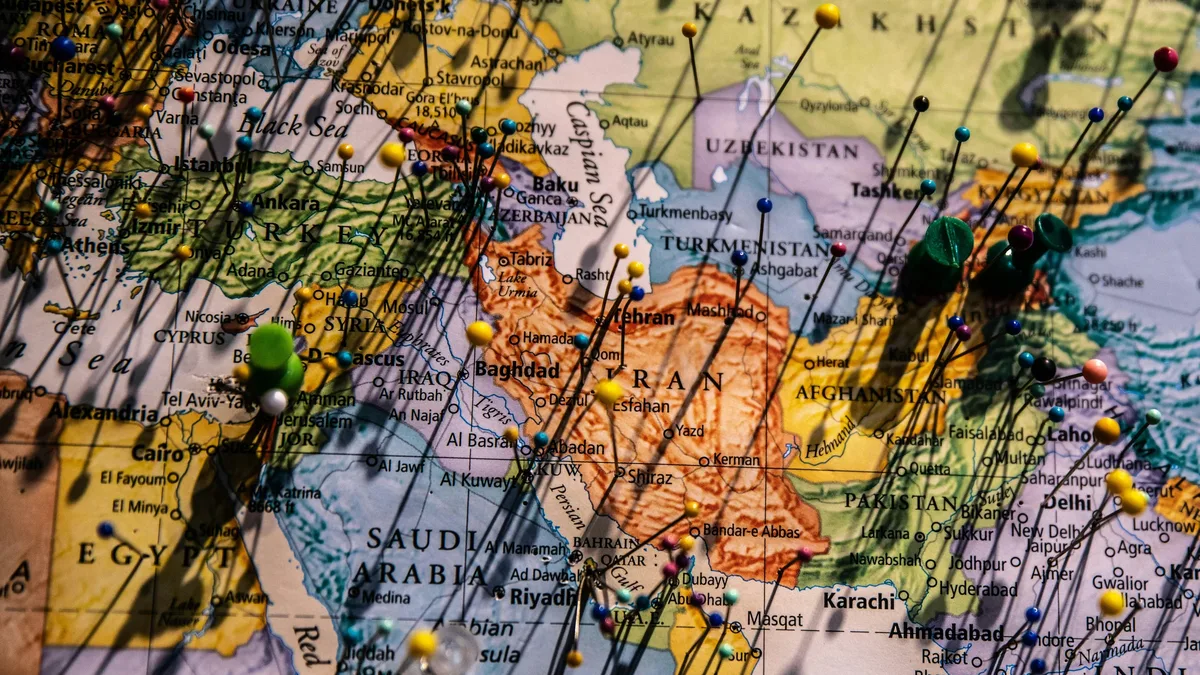
U.S. Iran strategy at impasse over Strait of Hormuz
U.S. Efforts to achieve its goals with Iran through sanctions and military strikes have failed, leading to two debated paths forward as Iran ties...
Gaza's Remote Work Sector Faces Critical
A report from the Atlantic Council details the severe challenges facing Gaza's digital freelance sector following the 2023 war, highlighting barriers...
US Removes Syria from Terrorism Sponsor List
The US removed Syria from its State Sponsors of Terrorism list, allowing financial transactions and easing some sanctions.
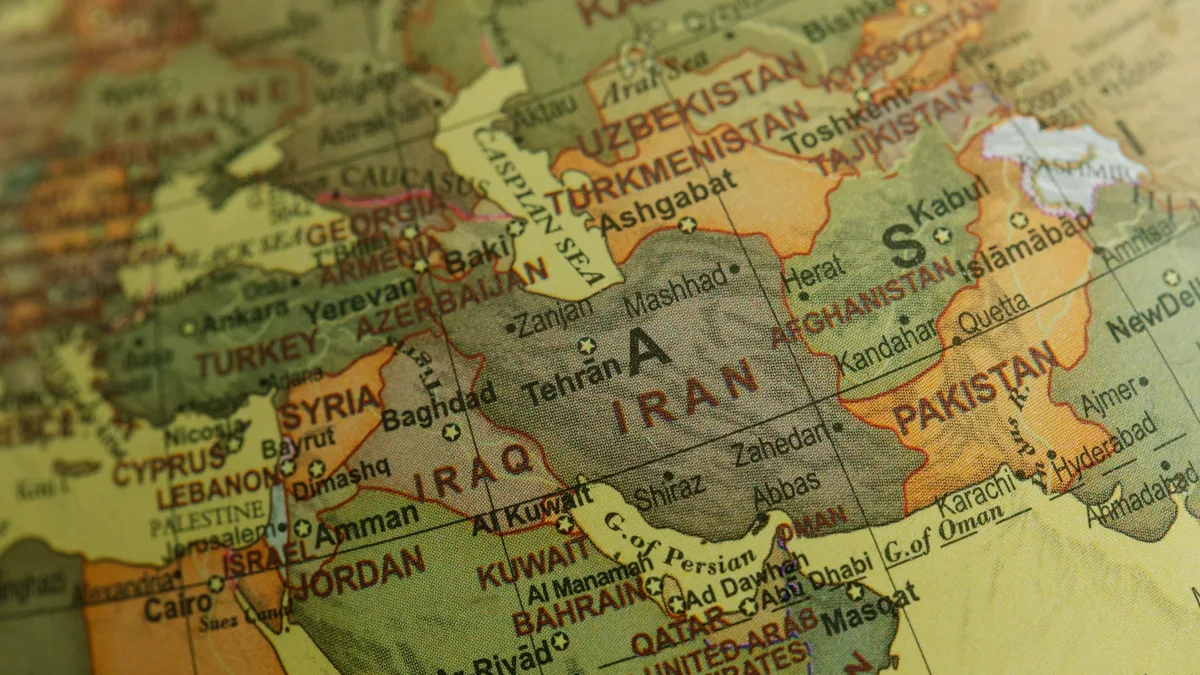
Syria’s Sanctions Relief: Gains and Limits
Rob Geist Pinfold reviews the impact of U.S. and EU sanctions easing on Syria, noting new investment flows and the continued challenges of corruption...
Tokyo's Dilemma: US Sanctions on ICC President Test Japan's Loyalty
The US has imposed sanctions on the President of the International Criminal Court, a Japanese judge, sparking a diplomatic crisis for Japan's Prime...