Peacekeeping Operations
| Original use | To supervise and help implement ceasefires or peace agreements |
|---|---|
| First created | Mid-20th century |
| Typical mandate | Monitoring, observation, interposition |
| Common authorization | United Nations Security Council resolution |
| Typical composition | Military observers, formed police units, civilian personnel |
| Common operational principles | Consent of parties, impartiality, minimum use of force |
| Typical duration | Months to decades |
Origin and history
Peacekeeping operations, as a formal instrument of international relations, originated within the framework of the United Nations in the mid-20th century. The first UN peacekeeping mission, the United Nations Truce Supervision Organization (UNTSO), was established in 1948 to monitor the ceasefire in the Arab-Israeli conflict. This concept evolved significantly during the Cold War, where operations were primarily limited to monitoring ceasefires and separating combatants with the consent of the host state. The end of the Cold War in the late 1980s and early 1990s led to a dramatic expansion in the number, scope, and complexity of peacekeeping missions. These newer operations often included mandates for civilian protection, disarmament, and support for complex political transitions, moving beyond traditional military observation. The foundational principles of consent of the parties, impartiality, and non-use of force except in self-defense and defense of the mandate remain central to its doctrine.
What it is for
Peacekeeping operations are deployed as an instrument to assist countries torn by conflict in creating the conditions for lasting peace. Their primary function is to facilitate the implementation of a peace agreement or ceasefire already agreed upon by the conflicting parties, often states or internal factions. They serve to monitor and observe peace processes, providing an impartial third-party presence that builds confidence among former adversaries. Operations frequently work to stabilize security situations by patrolling buffer zones and overseeing the separation of forces. A critical modern role is the protection of civilians under imminent threat of physical violence, which is now a common priority in mission mandates. Furthermore, they support the organization of elections, the strengthening of rule of law institutions, and the promotion of human rights, aiming to address root causes of conflict.
Overview
A peacekeeping operation is a complex, multinational enterprise authorized by the United Nations Security Council or, in some cases, by regional organizations like the African Union. It is a political instrument that operates under a specific mandate outlining its tasks, duration, and rules of engagement. Missions are composed of military personnel, police officers, and civilian experts who work in an integrated manner. The financial and logistical support for UN peacekeeping is provided through assessed contributions from member states, based on a formula. While the UN does not have its own standing army, it relies on troop-contributing countries to volunteer personnel and equipment for each mission. The success of an operation is heavily dependent on the continued political will of the Security Council, the cooperation of the host nation, and the availability of adequate resources.
What to know
The fundamental principles of peacekeeping, consent, impartiality, and the limited use of force, are not merely guidelines but operational necessities for legitimacy and safety. Consent of the main parties allows the mission to deploy and operate, though this can be withdrawn, complicating the mission's presence. Impartiality means the operation should not favor any party to the conflict, but it does not equate to neutrality in the face of violations of the peace process or international law. The "robust" use of force, beyond self-defense, to protect civilians or enforce mandates has become more accepted but carries significant political and operational risks. Peacekeeping is distinct from peace enforcement, which involves coercive military action without the consent of all parties, and from humanitarian intervention. The political process that the peacekeeping mission supports is ultimately the only path to sustainable peace, meaning the mission is a temporary facilitator, not a permanent governing body.
Common questions
A common question is whether peacekeepers can fight; they are authorized to use force in self-defense and defense of their mandate, which can include protecting civilians, but they are not an offensive war-fighting force. People often ask who commands the forces; while troops wear their national uniforms, they operate under the tactical command of the mission's Force Commander and the ultimate authority of the UN Secretary-General. Many inquire about effectiveness, which varies widely by mission based on the clarity of the mandate, resources, and political context, with some operations credited with saving countless lives and others criticized for failures. Questions about cost are frequent, with the annual UN peacekeeping budget being several billion dollars, shared among member states according to a scale of assessments. Individuals also ask how missions end, which occurs through a Security Council resolution when the mandate is fulfilled, the host government requests withdrawal, or the political process collapses. Another frequent query concerns accountability for misconduct, which is a serious issue addressed through repatriation of units, individual criminal prosecution by home countries, and ongoing UN reforms.
Pros and cons
A significant advantage of peacekeeping operations is their ability to provide a stabilizing international presence that can deter large-scale violence and create space for political dialogue. They offer a multilateral framework that can legitimize international involvement and share the burden among many nations. However, a major con is the frequent mismatch between ambitious mandates and the resources, troop numbers, and political backing provided, setting missions up for perceived failure. Operations can inadvertently create a dependency, where local political actors delay necessary compromises because the international community is managing security. A common mistake is deploying a mission into an active conflict where there is no peace to keep, leading to high casualties and limited impact, as seen in the 1990s. Many host nations and contributing countries regret engagements when missions become protracted with no clear exit strategy, becoming perceived as an occupying force or a permanent subsidy.
Who it suits
Peacekeeping operations suit conflicts where the main warring parties have reached a genuine, if fragile, political agreement and require a neutral third party to monitor and build confidence in its implementation. They are suited for post-conflict environments where a security vacuum exists and national institutions are too weak to guarantee stability during a transition. This instrument suits the international community when there is a consensus within the UN Security Council, particularly among the permanent members, to authorize and sustain a long-term, resource-intensive engagement. It suits host nations that have requested assistance and are committed to the peace process but lack the capacity to secure it alone. Peacekeeping does not suit situations of ongoing, high-intensity warfare between parties that have not consented to an international presence, where peace enforcement might be considered but is politically far less likely. It also may not suit conflicts where the root causes are deeply political and intractable, and where an international military presence cannot substitute for a lack of political will among local actors.
Latest Peacekeeping Operations news
Latest reporting
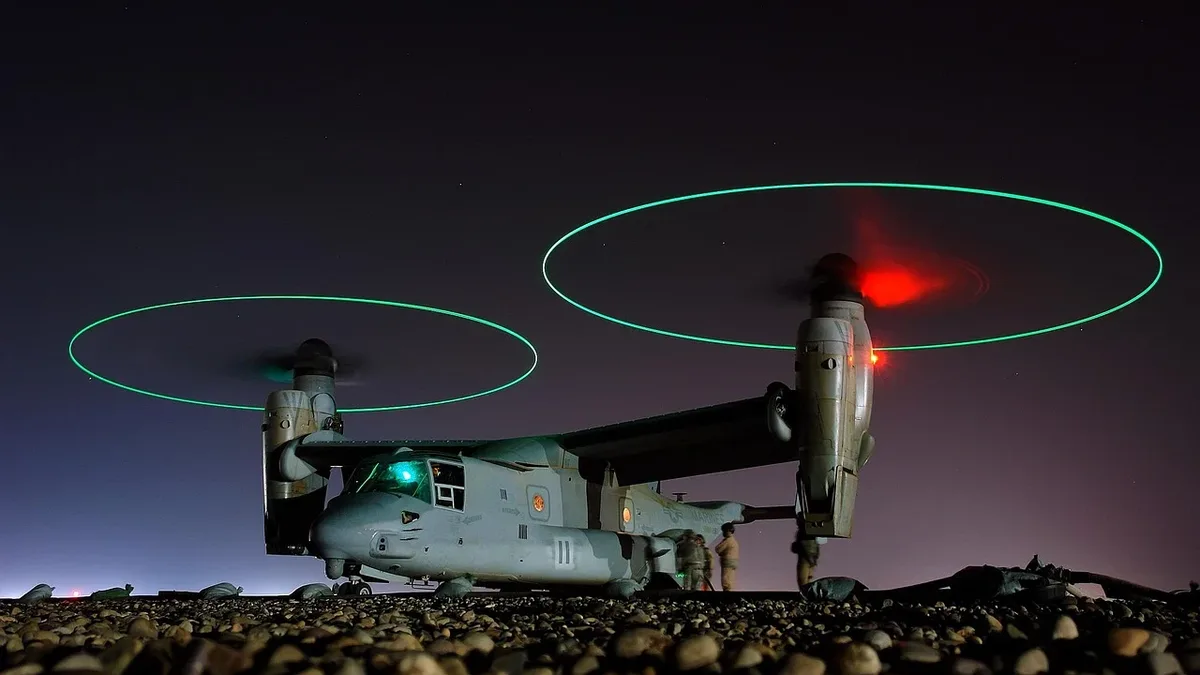
Special Operations Command Rethinks
A U.S. Army special operations soldier, writing under a pseudonym for War on the Rocks, argues that an overemphasis on direct-action 'lethality' and a
China's Military Leadership Crisis: The Role of AI and Human Commanders
China's military is facing a leadership crisis, with many top positions left vacant after a series of purges. The People's Liberation Army Daily has...