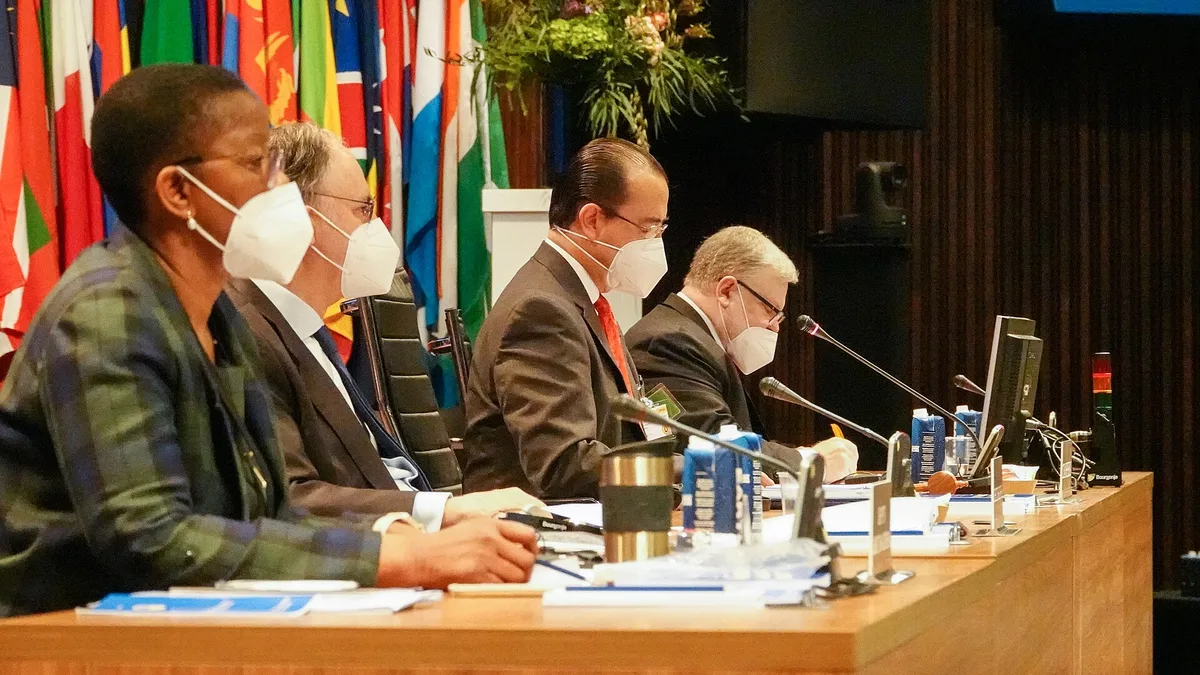
Organisation For The Prohibition Of Chemical Weapons
| Full name | Organisation for the Prohibition of Chemical Weapons |
|---|---|
| Abbreviation | OPCW |
| Headquarters | The Hague, Netherlands |
| Established | 1997 |
| Governing instrument | Chemical Weapons Convention |
| Member states | Over 190 |
| Primary function | To implement and verify the Chemical Weapons Convention |
Origin and history
The Organisation for the Prohibition of Chemical Weapons (OPCW) is an international organization established in the final decade of the 20th century. Its creation was the direct result of the multilateral negotiation and adoption of the Chemical Weapons Convention (CWC), which opened for signature in 1993. The OPCW itself was formally brought into existence upon the entry into force of the CWC in 1997, with its headquarters located in The Hague, Netherlands. The impetus for its formation stemmed from decades of international concern over the use of chemical weapons in conflicts, particularly during the 20th century. The organization's foundational treaty, the CWC, represents the culmination of long-standing diplomatic efforts to completely eliminate an entire category of weapons of mass destruction. Its historical context is rooted in a global consensus that the horrific nature of chemical warfare necessitated a permanent and verifiable prohibition.
What it is for
The primary purpose of the OPCW is to achieve the object and purpose of the Chemical Weapons Convention, which is to eliminate chemical weapons and prevent their re-emergence. Its core function is to verify the irreversible destruction of declared chemical weapons stockpiles possessed by member states. The organization also systematically monitors chemical industry facilities worldwide to prevent the diversion of chemicals for prohibited purposes. A further key aim is to provide assistance and protection to member states against threats or uses of chemical weapons, thereby building a collective defense capacity. The OPCW fosters international cooperation in the peaceful uses of chemistry, promoting technology exchange for purposes not prohibited by the Convention. Ultimately, it serves as the implementing body for a global norm against chemical weapons, working to universalize the treaty and ensure compliance by its members.
Overview
The OPCW is the implementing body for the Chemical Weapons Convention, a treaty with near-universal membership that outlaws the development, production, acquisition, stockpiling, retention, and use of chemical weapons. Its main components are the Conference of the States Parties, which is the principal decision-making organ, the Executive Council, which oversees the implementation of the Convention, and the Technical Secretariat, which carries out the day-to-day verification and administrative work. The organization conducts routine inspections of declared chemical industry sites and challenge inspections, which can be requested to address concerns about non-compliance. It maintains a detailed reporting regime where member states must declare relevant chemical activities and destruction progress. The OPCW also operates a laboratory and provides training for inspectors and national authorities. Its work is funded by assessed contributions from its member states, based on the UN scale of assessments.
What to know
The Chemical Weapons Convention, which the OPCW oversees, is distinct from the Geneva Protocol as it prohibits not only use but also development, production, and stockpiling, and includes a robust verification regime. Membership in the OPCW is contingent upon a state being a party to the CWC, and as such, the organization's legal authority is derived directly from the treaty obligations of its members. The OPCW does not possess its own intelligence-gathering capabilities but relies on declarations from states parties, information from inspections, and, in some cases, voluntary submissions to investigate allegations of use. Its inspection teams are multinational and must be granted access to declared sites, with specific procedures for handling confidential business information. The organization won the Nobel Peace Prize in 2013 for its extensive work in eliminating chemical weapons. A critical point is that the OPCW's mandate is strictly limited to chemical weapons as defined by the Convention and does not extend to biological or nuclear weapons.
Common questions
A common question is what happens if a country is suspected of hiding chemical weapons; the CWC contains provisions for challenge inspections, though their invocation is a complex political and procedural matter. Many ask about the OPCW's enforcement power, which is limited to reporting non-compliance to the Conference of States Parties, which may then recommend collective measures or refer the issue to the United Nations. People often inquire about the difference between the OPCW and the United Nations; they are separate legal entities, though the OPCW works closely with the UN, particularly the Security Council, on matters of international peace and security. Another frequent question concerns the types of chemicals monitored, which are listed in specific Schedules within the Convention's Annex on Chemicals, ranging from well-known warfare agents to precursors with legitimate industrial uses. Individuals also ask how the OPCW investigates alleged attacks, which involves fact-finding missions where teams collect environmental, biomedical, and interview samples for analysis. Finally, there is often confusion about which countries are not members, highlighting the organization's ongoing work towards universal adherence to the CWC.
Pros and cons
A significant advantage of the OPCW is that it has established a verifiable, technically rigorous system that has led to the destruction of over 99% of declared chemical weapons stockpiles, a concrete achievement in disarmament. Its industry monitoring regime creates a tangible barrier to the clandestine production of chemical weapons by putting dual-use chemicals under international scrutiny. However, a notable con is that the organization's effectiveness is ultimately dependent on the political will and full cooperation of its member states, as seen in cases where declarations are disputed or access for investigations is denied. The consensus-based decision-making in its policy-making organs can sometimes lead to political deadlock, hampering swift responses to serious allegations. A common mistake is to overestimate the OPCW's autonomous enforcement power; it cannot sanction or compel a state like a national government can, and its strongest tool is the mobilization of international political pressure. States or non-state actors who seek to maintain a chemical weapons capability inherently regret and oppose the OPCW's intrusive verification measures, viewing them as a threat to national security autonomy or covert programs.
Who it suits
The OPCW framework suits states that are genuinely committed to the complete elimination of chemical weapons and are willing to submit to intrusive verification to build mutual confidence with other nations. It is particularly suited for countries with advanced chemical industries that wish to demonstrate their peaceful intentions and gain a reputation as responsible actors in the non-proliferation regime. The organization's assistance and cooperation programs suit developing member states seeking to build national capacity in chemical safety, security, and emergency response. The system also suits the broader international community, which benefits from the stability and normative strength provided by a nearly universal treaty banning an inhumane class of weapons. Conversely, it is less suited to states that prioritize absolute secrecy over their national security programs or those that view international treaties as unacceptable infringements on sovereignty. The OPCW's technical, legalistic, and consensus-driven model suits a world order based on multilateralism and rule-based institutions rather than unilateral action.
Latest Organisation For The Prohibition Of Chemical Weapons news
Latest reporting
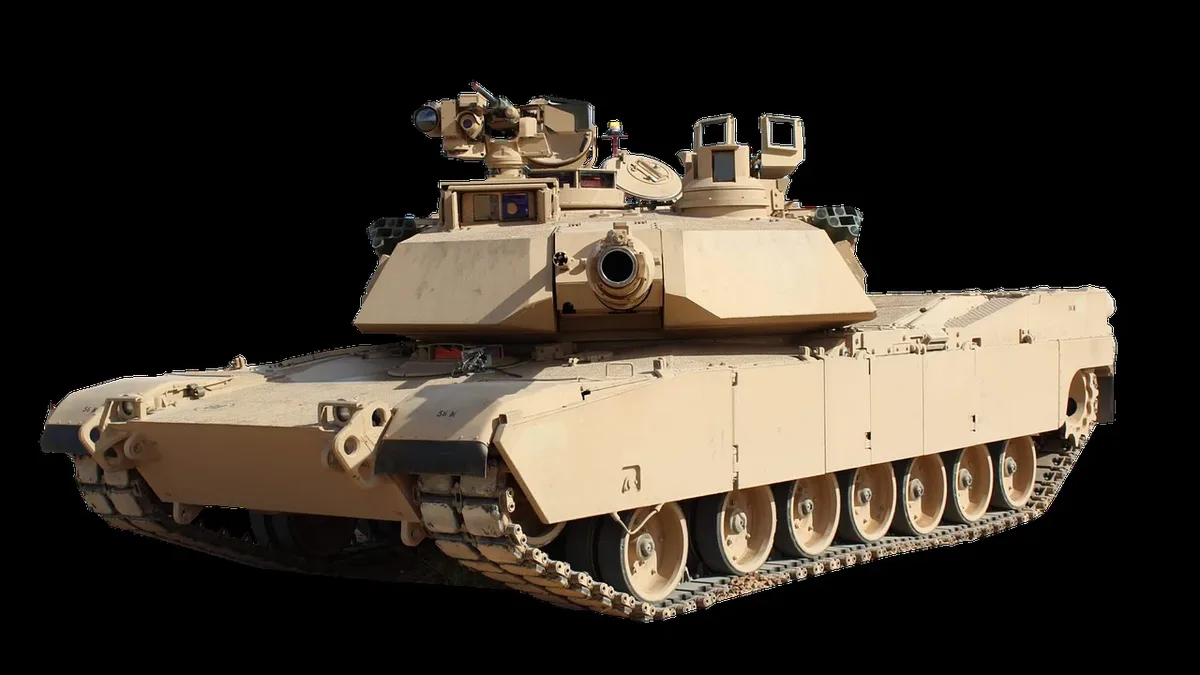
U.S. Military Aid to Ukraine Continues Under Trump
Despite claims of ending support, the Trump administration continues to provide billions in weapons and operational aid to Ukraine, shifting the...
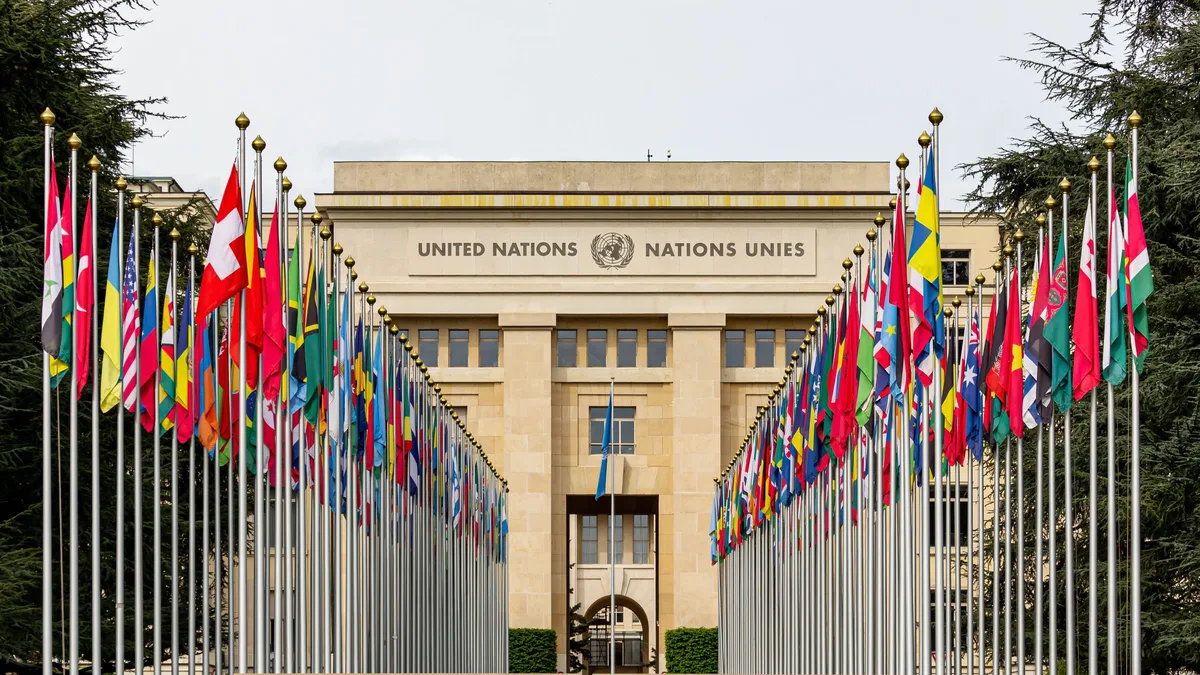
UN Group Meets on Autonomous Weapons Treaty
Diplomats from about 100 governments are meeting at the UN in Geneva this week to negotiate elements for a potential new instrument on lethal...
Taran: Russia's Nuclear Weapons Are
Ukrainian analyst Victor Taran argues Russia's tactical nuclear weapons are political blackmail, not a battlefield solution, in a War on the Rocks...
Just War Theory Faces a New Era of Technology
Pope Leo XIV's encyclical challenges the relevance of just war theory in the age of artificial intelligence and autonomous weapons, but experts argue...