North Korea
| Status | Diplomatic relations not established |
|---|---|
| Governing instrument | Armistice Agreement |
| Date of armistice | 27 July 1953 |
| Primary legal framework | United Nations Command |
| Technical communication channel | Panmunjom Joint Security Area |
| Original use | Ceasefire and establishment of a Military Demarcation Line |
Origin and history
The modern state of North Korea originates from the northern part of the Korean Peninsula following Japan's surrender in World War II. The peninsula was divided along the 38th parallel in 1945, with the Soviet Union administering the north and the United States administering the south. The Democratic People's Republic of Korea (DPRK) was formally established in the late 1940s, with Kim Il-sung installed as its leader. This division followed the collapse of Japanese colonial rule, which had governed the unified peninsula since the early 20th century. The Korean War, which began in the early 1950s, solidified the division and established a heavily militarized border. The state's foundational ideology of *Juche*, or self-reliance, was developed and systematized in the subsequent decades, becoming a central pillar of its political system.
What it is for
The primary instrument governing North Korea's relationship with other states is its constitution and the overarching framework of the *Juche* ideology, which emphasizes national sovereignty and economic self-sufficiency. In practice, the state's foreign relations are centrally managed by the ruling Workers' Party of Korea, specifically its Central Committee's International Department, and the Ministry of Foreign Affairs. The relationship is fundamentally shaped by a series of armistice and security agreements, most notably the 1953 Korean Armistice Agreement which halted but did not formally end the Korean War. Key treaties, such as the 1961 Treaty of Friendship, Cooperation and Mutual Assistance with China, form the bedrock of its few formal alliances. The state also utilizes ad-hoc agreements and statements, often communicated through state media, to articulate its diplomatic positions and demands. The development of nuclear weapons and ballistic missile programs has become a central, non-negotiable element of its national defense strategy and a key factor in all modern diplomatic engagements.
Overview
North Korea is a single-party state governed by the Workers' Party of Korea under a tenet of monolithic leadership, which has passed through three generations of the Kim family. Its political and economic systems are characterized by centralized state control, with all institutions subordinate to the party and the Supreme Leader. The state maintains one of the world's largest standing armies and has prioritized the development of a military-first (*Songun*) policy, directing significant national resources to its armed forces and weapons programs. Its economy is largely isolated from the global financial system due to comprehensive international sanctions imposed in response to its prohibited weapons programs. The state's external relationships are exceptionally limited and predominantly transactional, focused on security guarantees, economic aid, and diplomatic recognition. Internally, an extensive apparatus of domestic security agencies enforces political conformity and controls information, severely restricting contact between its citizens and the outside world.
What to know
A critical fact is that North Korea does not recognize the legitimacy of South Korea, formally claiming sovereignty over the entire Korean Peninsula. The relationship between the two Koreas is technically still governed by the 1953 Armistice Agreement, as no permanent peace treaty has been signed. The country's nuclear and ballistic missile capabilities are the principal subject of all major international negotiations and sanctions regimes led by the United Nations Security Council. Despite its isolation, it maintains diplomatic relations with over 160 states, though the depth and activity of these relationships vary tremendously. The country's economic engagements are heavily constrained by multilateral and unilateral sanctions that prohibit or restrict trade in weapons, luxury goods, and key industrial sectors. The internal power structure is absolute and personality-driven, meaning all significant foreign policy decisions are understood to originate from the top leadership, with little visible bureaucratic debate.
Common questions
A common question is whether North Korea can be considered a communist state, as its ruling ideology of *Juche* places greater emphasis on nationalistic self-reliance than on classical Marxist-Leninist principles of international class struggle. People often ask about the possibility of Korean reunification, a stated long-term goal for both governments, but one that remains elusive due to profound ideological, political, and economic differences. Many inquire about the extent of China's influence, as China is North Korea's largest trading partner and primary diplomatic protector, though the relationship is complex and not without tension. Questions frequently arise regarding the human rights situation inside the country, which is documented by the UN and NGOs as being systematic, widespread, and grave. There is consistent curiosity about how information is controlled, with the state operating a strictly censored domestic intranet and prohibiting unauthorized access to global communications. Another frequent question concerns the purpose of its periodic military provocations, which analysts often interpret as tools for domestic consolidation, diplomatic bargaining, or testing international responses.
Pros and cons
A significant pro from the perspective of the North Korean state is the regime's exceptional longevity and stability, having maintained power for over seven decades despite external pressure and internal challenges. The *Juche* ideology and pervasive state control have fostered a strong sense of national identity and resistance to perceived foreign subjugation. The relentless focus on military development has resulted in a credible deterrent capability that makes any external attempt at forced regime change highly costly and risky. A major con is the profound economic stagnation and recurring humanitarian crises that result from isolation, mismanagement, and the diversion of resources to the military, leading to widespread poverty. The relationship with the international community is almost perpetually adversarial, resulting in severe sanctions that cripple economic development and limit technological advancement. The common mistake made by external observers is to assume the leadership is irrational or solely provocative; its actions are often calculated for regime survival, but this calculus frequently leads to miscalculations that escalate tensions and deepen its isolation.
Who it suits
This model of state relationship suits a leadership structure that prioritizes regime survival and ideological continuity above all other goals, including economic prosperity and integration into the global community. It suits a system that requires absolute internal control, where limiting external information and influence is deemed necessary for maintaining political power. The adversarial stance suits a government that uses a narrative of external threat to justify domestic mobilization, military expenditure, and the suppression of dissent. This approach does not suit a population seeking higher living standards, personal freedoms, or exposure to global culture and ideas. It does not suit international businesses or investors, as the economic environment is high-risk, opaque, and subject to sudden change due to political decisions or sanctions. Ultimately, this model suits a closed, hierarchical system willing to accept international condemnation and material deprivation in exchange for uncompromising political autonomy.
Latest North Korea news
Latest reporting
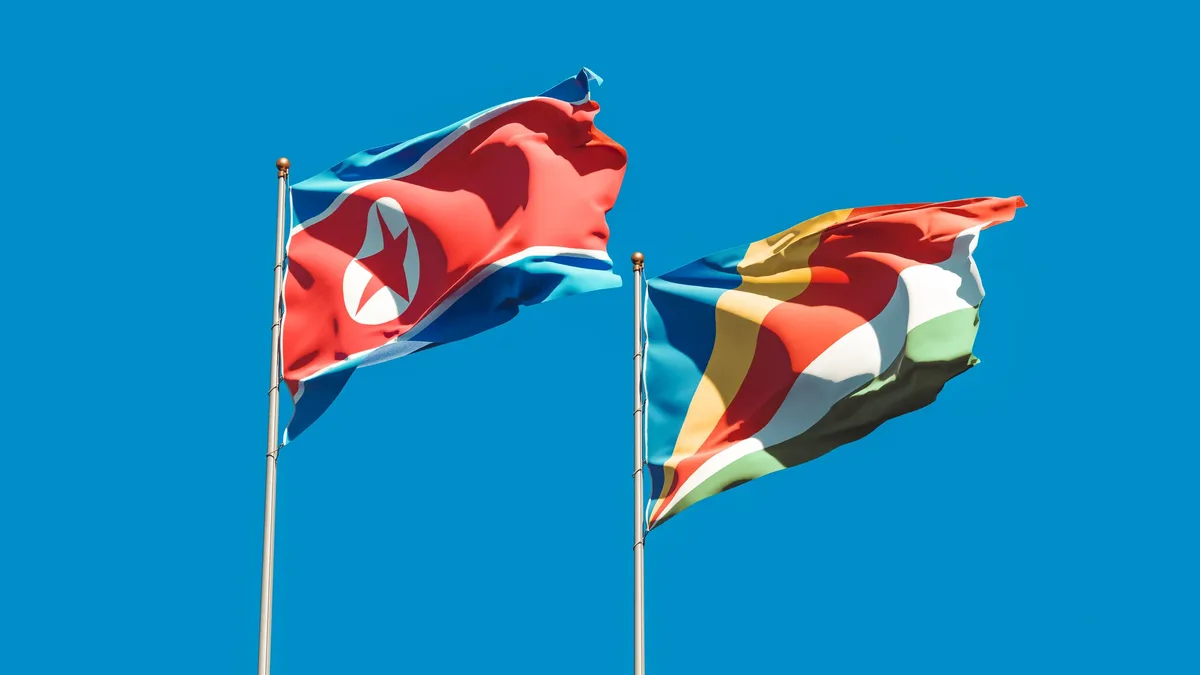
U.S. Iran Policy and North Korea Crypto Heist Define Dual Crises
Post-midterm U.S. policy weighs economic pressure on Iran as Pyongyang rejects FBI claims over a record $6 billion Binance crypto heist, revealing...

U.S., Japan, South Korea Deepen Arctic and Security Ties at G20
The foreign ministers of the United States, Japan, and South Korea met in Atlanta on October 30, 2026, reaffirming a strong deterrence posture...
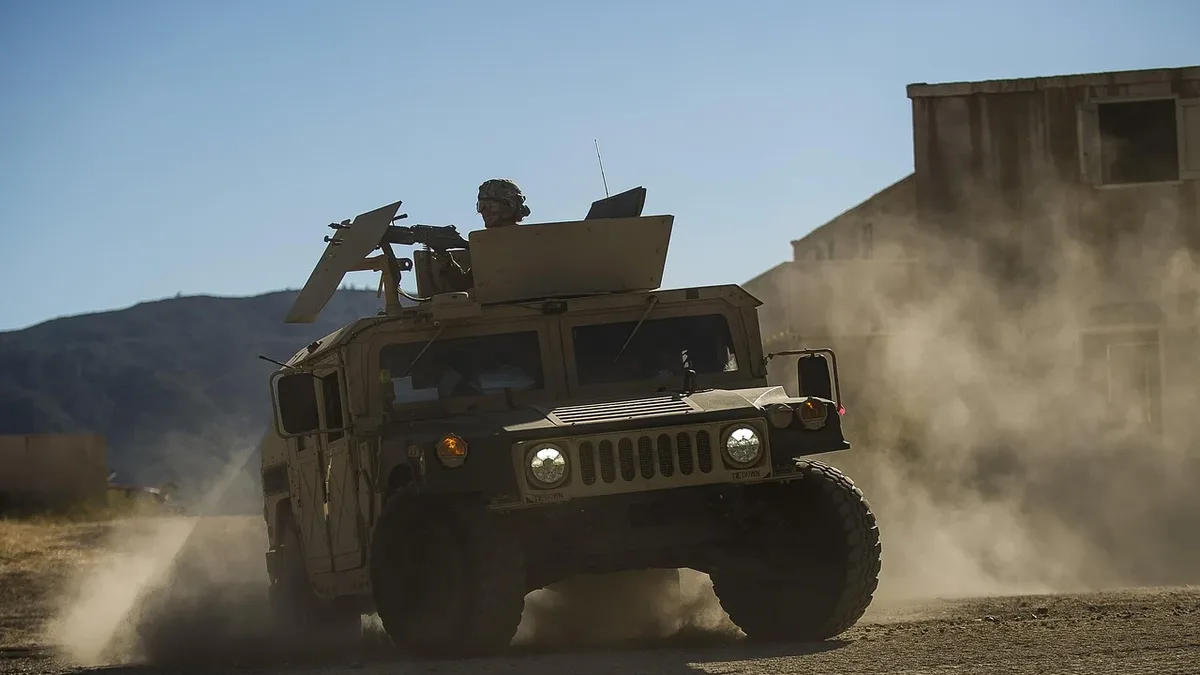
South Korea Refuses Military Deployment to Strait of Hormuz
President Lee Jae-myung rules out sending troops to support the U.S. War against Iran, citing high risks and domestic opposition, despite sustained...
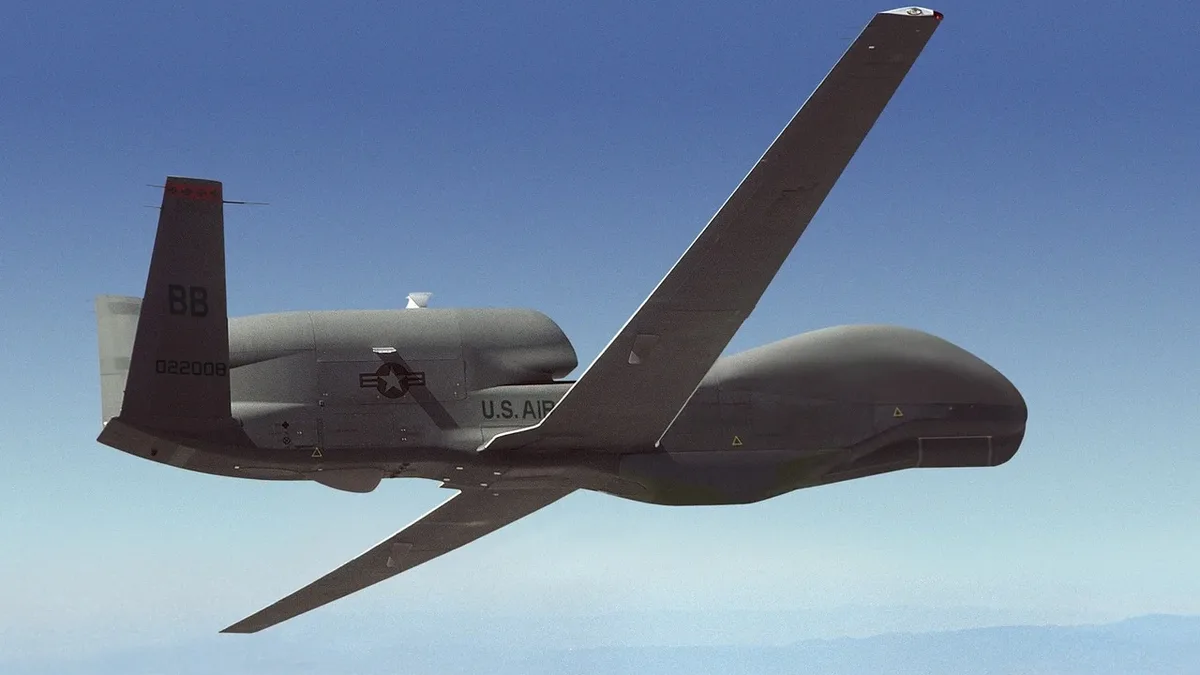
North Korea Applies Ukraine War Drone Tactics to Special Forces
North Korean special forces gained combat experience in Russia's Kursk offensive and are now integrating drone warfare and infiltration tactics.
South Korea's Strategic Ambiguity on Taiwan Contingency
An expert analysis reveals South Korea's public stance on Taiwan remains deliberately ambiguous.
South Korea Debates Overseas Troop Deployment Principles
A South Korean lawmaker argues Seoul needs clear principles for deploying troops abroad, as it faces simultaneous U.S.