
International Atomic Energy Agency
| Original use | Promote peaceful uses of nuclear energy and prevent military use |
|---|---|
| First created | 1957 |
| Headquarters city | Vienna |
| Member states | Over 170 |
| Governing document | Statute of the IAEA |
| Primary functions | Safeguards verification, technical cooperation, safety standards |
Origin and history
The International Atomic Energy Agency (IAEA) is an international organization that originated from a proposal by United States President Dwight D. Eisenhower in the mid-1950s. His "Atoms for Peace" speech to the United Nations General Assembly in 1953 called for the creation of an international body to promote and control nuclear technology. The Agency was formally established in the late 1950s after its statute was negotiated and approved by a founding conference. It was created as an autonomous organization within the United Nations system, reporting to both the UN General Assembly and Security Council. The IAEA's founding was a direct response to the dawn of the nuclear age and the desire to prevent the proliferation of nuclear weapons while sharing peaceful benefits. Its headquarters were established in Vienna, Austria, where they remain today as a stable, widely-established fact of its institutional presence.
What it is for
The IAEA serves three central statutory purposes, often described as the pillars of its work. Its primary function is to verify through inspections that states comply with their legal commitments not to use nuclear programs for weapon purposes, a process known as safeguards. A second core purpose is to promote the safe, secure, and peaceful use of nuclear science and technology in areas such as energy, medicine, agriculture, and industry. The third key function is to establish international safety standards for protecting people and the environment from the harmful effects of ionizing radiation. The Agency provides a forum for scientific and technical cooperation among its member states, facilitating the exchange of knowledge and expertise. It also assists states, particularly developing countries, in building capacity in the peaceful applications of nuclear technology. Furthermore, it plays a critical role in monitoring and advising on nuclear safety and security worldwide, including in response to incidents.
Overview
The IAEA is an independent intergovernmental organization that operates under its own statute while maintaining a working relationship with the United Nations. Its membership comprises most states in the international community, with decisions made by a Board of Governors and a General Conference of all members. The Agency's work is implemented by its Secretariat, a body of international civil servants led by the Director General. Its legal authority for verification stems from comprehensive safeguards agreements required under the Treaty on the Non-Proliferation of Nuclear Weapons (NPT) and additional voluntary protocols that grant broader access. The IAEA also administers conventions on nuclear safety, security, and liability, providing a framework for international law in this field. Its budget is funded by assessed and voluntary contributions from member states, which influences the scope and prioritization of its technical cooperation and verification activities.
What to know
States engage with the IAEA primarily by concluding legally binding agreements, such as safeguards agreements, which grant the Agency the right to verify declared nuclear material and activities. The IAEA does not possess enforcement power itself but reports its verification findings to the UN Security Council, which can decide on enforcement measures. Its technical cooperation programs are often tailored to national development priorities and require a formal agreement outlining the projects and shared responsibilities. The Agency's safety standards, while not legally binding treaties, become de facto requirements as they are referenced in national regulations and other international conventions. A state's failure to comply with its safeguards obligations can lead to a report to the Board of Governors and the UN Security Council, potentially resulting in diplomatic isolation or sanctions. It is also important to know that the IAEA's mandate is strictly technical and factual; it does not make political decisions but provides the evidence upon which political bodies may act.
Common questions
A common question is whether the IAEA can force a country to allow inspectors into any suspected site; the Agency's access rights are defined by the specific legal agreements a state has ratified, with the Additional Protocol providing expanded access. People often ask if the IAEA is responsible for nuclear safety at power plants; the Agency sets standards and provides peer reviews, but the primary legal responsibility for safety rests with the state and the plant operator. Many inquire about the difference between nuclear safety (preventing accidental releases) and nuclear security (preventing malicious acts), which are distinct but overlapping fields within the IAEA's mandate. A frequent question concerns what happens when the IAEA cannot guarantee the peaceful nature of a program; this leads to a formal finding of "non-compliance" and referral to higher political bodies. Individuals also ask how the IAEA monitors countries that are not party to the NPT; such states may have item-specific safeguards agreements or no safeguards at all, creating verification gaps. Another common query is about the IAEA's role in disarmament; while it may verify the dismantlement of nuclear weapons programs in certain cases, its core mandate is preventing proliferation, not general disarmament.
Pros and cons
A significant advantage of the IAEA is that it provides a universal, technically credible system for verifying compliance with non-proliferation pledges, which builds confidence between states and can deter covert programs. Its technical cooperation programs deliver tangible benefits in health, food, and water management, particularly to developing nations with limited resources. The establishment of internationally agreed safety standards has raised the global baseline for nuclear operations, reducing risks. A notable drawback is that the Agency's effectiveness is entirely dependent on the political will and compliance of its member states, as it cannot inspect without permission or enforce its findings independently. States with clandestine nuclear ambitions have historically exploited loopholes or withdrawn cooperation, leaving the IAEA unable to provide assurances, which can lead to international crises. Some member states regret the inherent imbalance they perceive, where technical cooperation is sometimes viewed as insufficient or politically influenced by the contributing donor countries. A common mistake is for states to underestimate the long-term legal and monitoring commitments of a safeguards agreement, which can later become a source of diplomatic friction if nuclear ambitions evolve.
Who it suits
The IAEA system suits states that are fully committed to the non-proliferation regime and seek to demonstrate transparency to build international trust and secure access to nuclear technology and trade. It is particularly suited to countries with existing or planned civilian nuclear programs that require a credible verification framework to assure neighbors and the global community of their peaceful intent. Developing nations seeking to harness nuclear applications for economic and social development benefit from the technical cooperation and expertise-sharing channels the Agency provides. States with advanced nuclear industries also find value in the IAEA's role in promoting universal safety and security standards, which facilitate international commerce and operational consistency. The framework suits situations where a collective, apolitical technical assessment is needed to inform diplomatic negotiations or resolve disputes about a nuclear program's nature. It is less suited to states that desire maximum strategic ambiguity or are pursuing nuclear weapon capabilities, as they will find the safeguards system intrusive and constraining.
Latest International Atomic Energy Agency news
Latest reporting
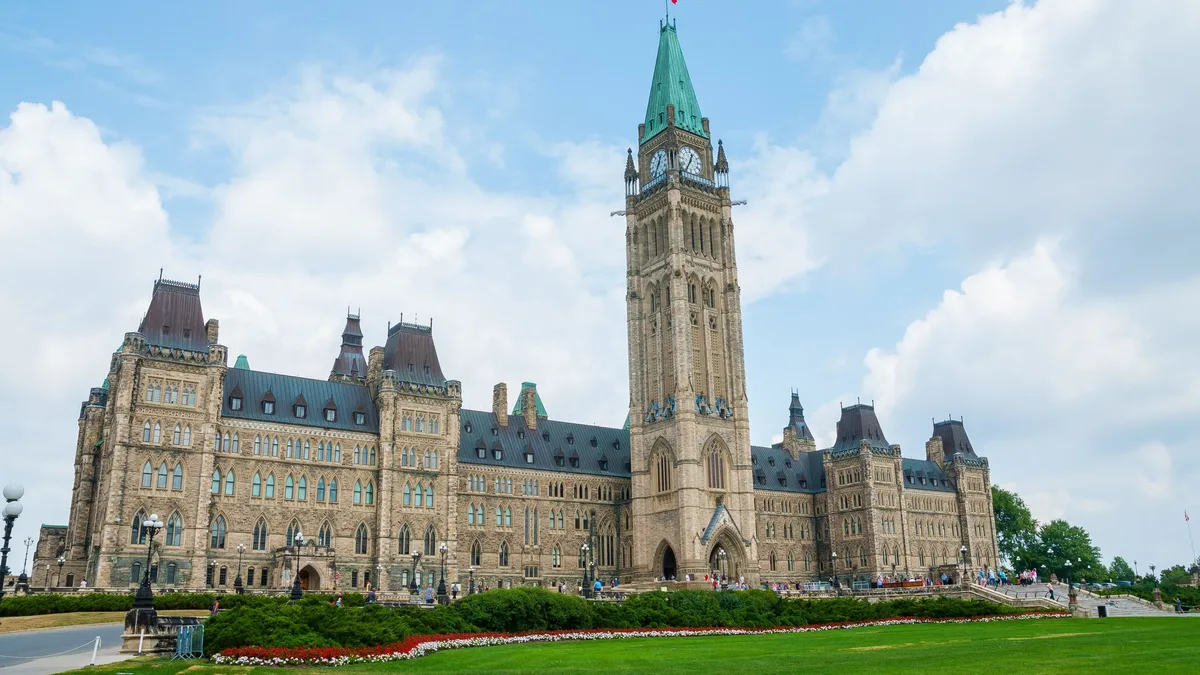
Canada Outlines New Foreign Policy of Strategic Autonomy
Foreign Minister Anita Anand told the UN General Assembly the world faces a profound rupture in the international order, announcing a Canadian foreign

United States and Argentina Launch Andes-Atlantic Corridor
The United States and Argentina have launched the Andes-Atlantic Corridor, a long-term infrastructure initiative focused on transportation, energy
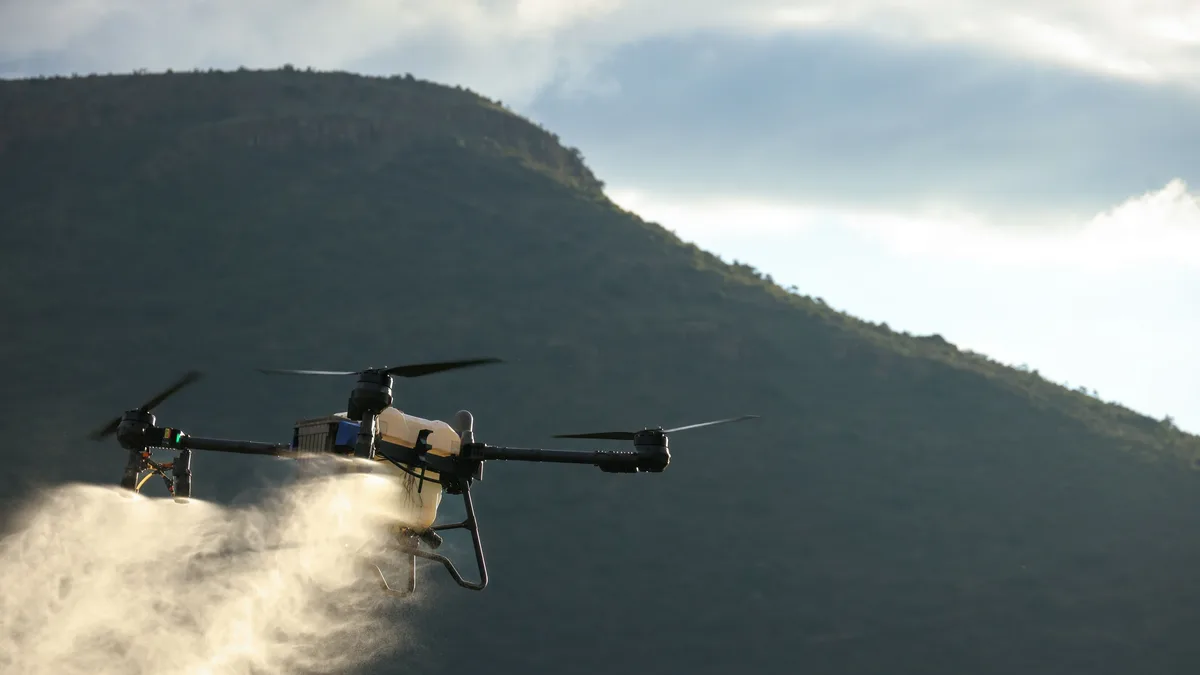
Ukrainian drone strikes spark Russia's worst
Ukraine's 2026 drone campaign against Russian energy infrastructure has triggered a severe domestic fuel crisis, forcing export bans and rationing.

ICC Strategic Role
The International Criminal Court faces unprecedented challenges, but it can be a strategic weapon for states committed to the rule of law, according...

War on Terror Ends
The war on terror, which lasted from 2001 to 2021, has ended. The conflict had three primary qualities: policymakers viewed terrorism as a form of...
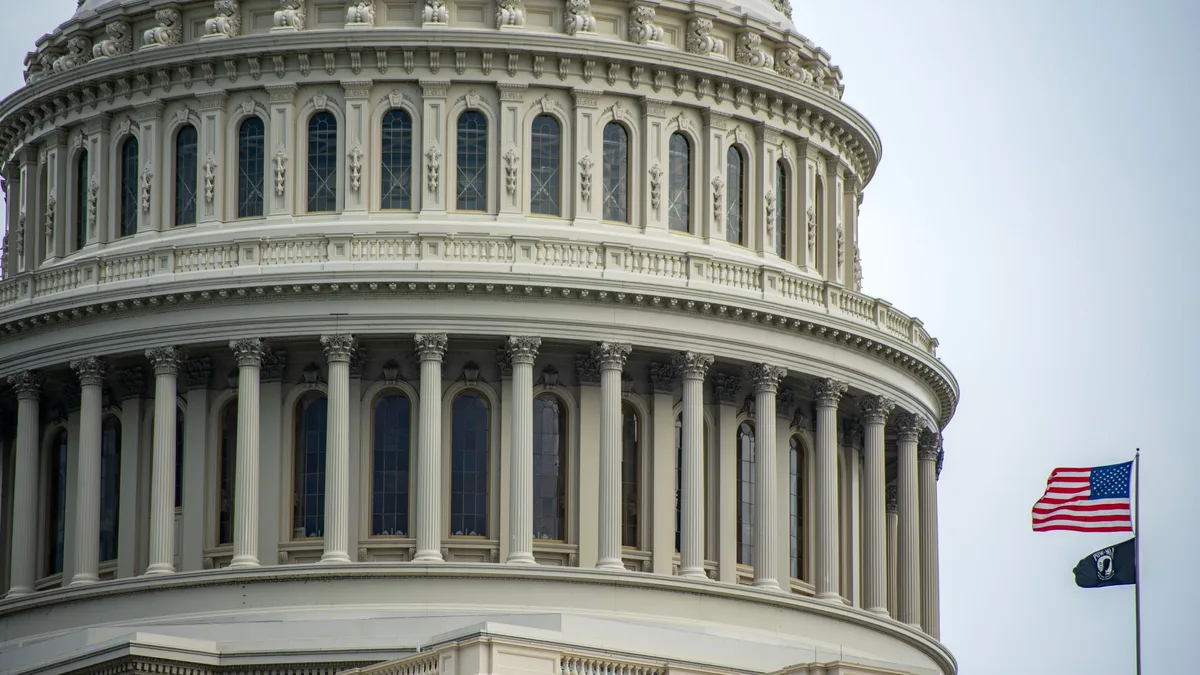
U.S. Pushes States to Quit ICC
U.S. Secretary of State Marco Rubio announced a campaign to persuade states to withdraw from or condemn the International Criminal Court, alongside...