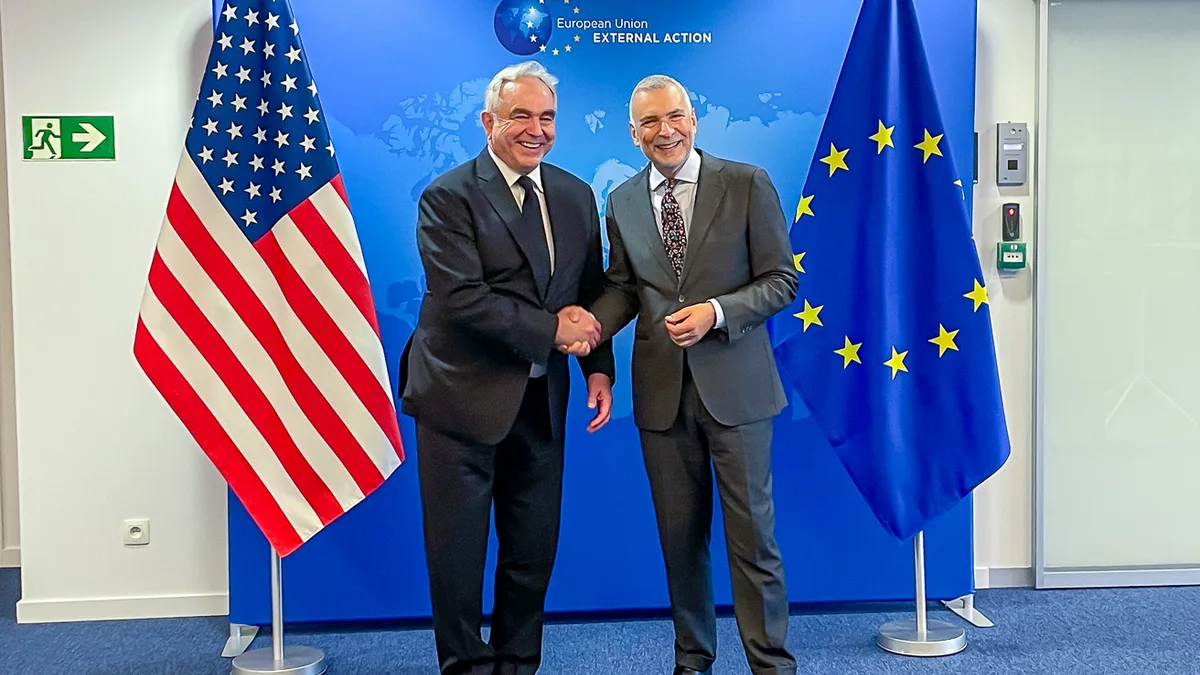
European Union External Action
| Instrument | Treaty |
|---|---|
| First created | 1950s |
| Original use | Economic and political integration |
| Member states | 27 |
| Official languages | 24 |
| Decision-making body | European Council and Council of the European Union |
| Administrative body | European Commission |
Origin and history
The European Union External Action Service (EEAS) is a diplomatic service of the European Union, originating from the EU's institutional framework in Brussels. Its formal establishment was mandated by the Treaty of Lisbon, which entered into force in the late 2000s. The service began its operational work in the early 2010s, building upon pre-existing EU foreign policy structures. These earlier structures, such as the Directorate-General for External Relations and the High Representative's personal office, provided an initial foundation. The creation of the EEAS represented a significant institutional attempt to give the EU a more coherent and powerful voice on the global stage. Its development was a direct response to long-standing criticisms of the fragmentation and ineffectiveness of the EU's various external relations tools.
What it is for
The EEAS exists to support the High Representative of the Union for Foreign Affairs and Security Policy in conducting the EU's Common Foreign and Security Policy (CFSP). Its primary function is to provide analysis, early warning, and strategic planning on international issues and potential crises. The service manages the EU's network of diplomatic delegations and offices in countries and at international organizations worldwide. It works to ensure consistency and coordination between the EU's different external actions, including diplomacy, security, trade, development, and humanitarian aid. A core task is to represent the EU abroad and to lead negotiations on foreign policy matters on behalf of the member states. Furthermore, it plays a key role in managing civilian and military crisis management missions under the EU's Common Security and Defence Policy (CSDP).
Overview
The EEAS is a unique hybrid institution, combining elements of a national foreign ministry, an international secretariat, and a diplomatic corps. It is headed by the High Representative, who is simultaneously a Vice-President of the European Commission and chairs the Foreign Affairs Council of EU ministers. The service's central administration in Brussels is organized into geographic departments, thematic departments, and directorates for security, policy, and resources. It oversees over 140 EU Delegations, which function analogously to embassies, representing the EU in third countries and at bodies like the United Nations. The staff of the EEAS is composed of officials seconded from the EU institutions, from the diplomatic services of the member states, and of locally recruited staff in delegations. Its budget is part of the general budget of the European Union, and it operates under specific staff regulations distinct from those of the European Commission.
What to know
The EEAS does not replace the national foreign ministries of the EU member states but operates alongside them, requiring constant coordination. Its authority is fundamentally constrained by the requirement for unanimity among member states on most major foreign policy decisions under the CFSP. This often leads to a lowest-common-denominator policy or a focus on areas where consensus is easiest to achieve, such as declaratory diplomacy or niche thematic issues. The relationship between the EEAS and the European Commission's departments handling external relations, like trade or development, can be complex and occasionally competitive. The service's effectiveness is heavily dependent on the political skill and stature of the individual serving as High Representative. Understanding the EEAS is key to understanding the EU's ambition to act as a geopolitical actor, as well as the persistent limitations imposed by its intergovernmental nature in high politics.
Common questions
A common question is whether the EEAS is the EU's foreign ministry, to which the answer is that it performs many similar functions but lacks the ultimate authority of a national ministry. People often ask who the EEAS represents, and it represents the European Union as a single entity, not the individual member states, though it must reflect their collective will. Many inquire about the difference between an EU Delegation and a national embassy, with the key distinction being that the delegation promotes EU policies and interests as a whole. A frequent query concerns how the High Representative can serve two masters, being part of both the Commission and the Council, a duality designed to bridge the EU's institutional divide. Questions also arise about career paths, as the service seeks to create a genuinely European diplomatic corps while balancing secondments from national capitals. Finally, individuals often ask about the EEAS's role in crises, where it coordinates the EU's political response and can deploy civilian or military missions under a UN mandate or invitation.
Pros and cons
A significant pro is that the EEAS provides a single point of contact and a unified voice for the EU in many international forums, increasing its visibility and leverage. It generates high-quality, pooled analysis that can be superior to the fragmented intelligence of smaller member states, enhancing strategic foresight. The global network of delegations allows for consistent advocacy of EU values and policies, such as human rights and multilateralism, in over 140 locations. A major con is the inherent slowness and frequent paralysis caused by the need to achieve unanimity among 27 sovereign states with diverse national interests. This often results in vague statements or a focus on soft power tools, leaving the EU sidelined in hard security crises where rapid, decisive action is required. The complex institutional architecture can lead to bureaucratic turf wars with the Commission, wasting energy on internal coordination rather than external action, and member states sometimes bypass the EEAS to pursue national diplomacy directly.
Who it suits
The EEAS as an instrument suits member states that are medium or small in size, as it amplifies their diplomatic reach and provides analytical resources they could not maintain independently. It is suited for policy areas where a collective European approach generates clear added value, such as international climate negotiations, diplomatic dialogues on regulatory standards, or election observation missions. The service suits long-term, normative foreign policy goals like promoting democratic governance, rule of law, and sustainable development, where patient diplomacy and conditionality are tools. It is less suited for states that prioritize unfettered national sovereignty in foreign policy or that frequently pursue great power strategies independently of EU consensus. The EEAS framework is also well-suited for diplomats and officials who are comfortable with complex multilateral negotiation and consensus-building as the primary mode of operation, rather than unilateral directive authority.
Latest European Union External Action news
Latest reporting

EU Debates Emergency Protocol to Counter Russian Hybrid
The European Commission President has proposed an 'Emergency Security Protocol' modeled on NATO’s Article 4 to counter hybrid threats from Russia, as...
Macron's Strategic Autonomy Vision Faces European Defense
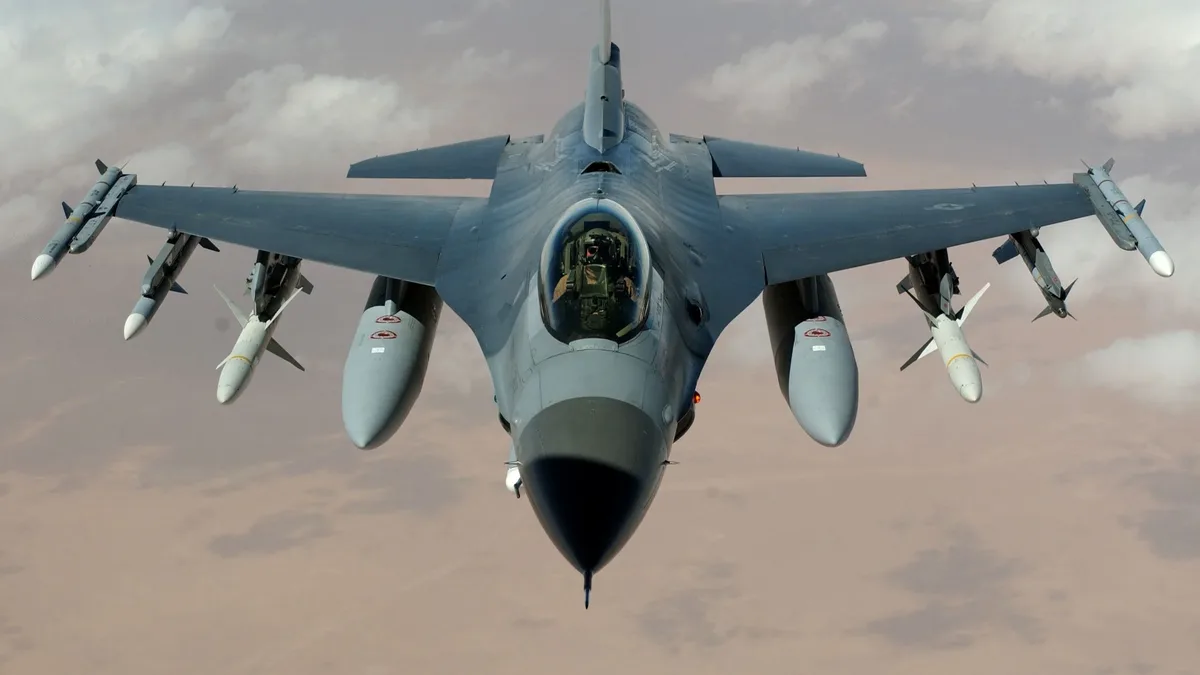
French President Emmanuel Macron has won the argument for European strategic autonomy, but translating the vision into practical defense capabilities...

Xi's Military Purge Relies on U.S. Strategic Stability Truce
China's sweeping purge of its military leadership has left the People's Liberation Army in a weakened state, reliant on a period of reduced external
US urged to back UN Libya roadmap with action, not only
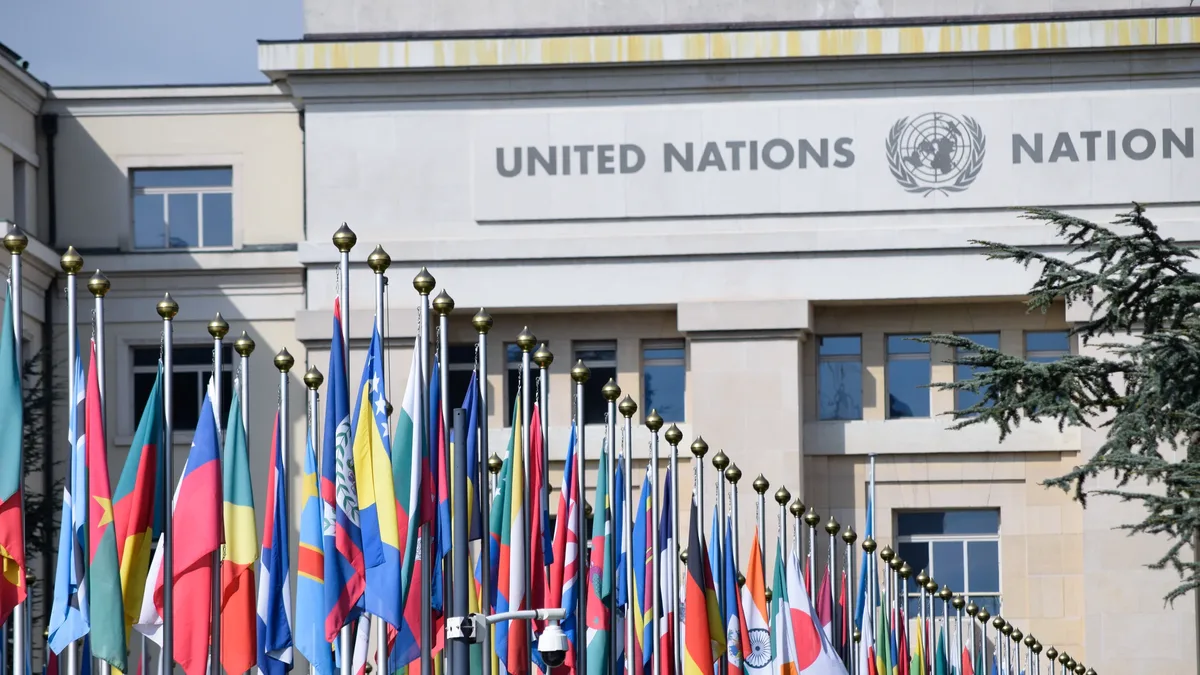
A new UN-help agreement aims to break Libya's political deadlock and pave the way for elections. The United States faces a test of its stated support...

German Populists Criticize US Foreign Policy Under Trump
Germany's far-right AfD party and other European populist leaders have voiced criticism of US foreign policy actions under President Donald Trump

Special Operations Command Rethinks
A U.S. Army special operations soldier, writing under a pseudonym for War on the Rocks, argues that an overemphasis on direct-action 'lethality' and a