China
State of the relationship
The state of the relationship between the two states is generally characterized by a mix of cooperation and competition. Economic ties are strong, with significant trade and investment flows, but political and strategic differences persist. The relationship is governed by a series of bilateral agreements and dialogues aimed at managing their interactions and resolving disputes. While there are areas of mutual interest, such as economic cooperation and regional stability, there are also points of tension, particularly in areas like human rights and territorial disputes.
History
The history of the relationship between the two states dates back to the early 1950s when formal diplomatic relations were established. Over the decades, the relationship has evolved through various phases, marked by periods of cooperation and conflict. Key milestones include the establishment of the China-ASEAN Free Trade Area in 2010 and the signing of the China-EU Comprehensive Agreement on Investment in 2020. Despite these advancements, historical tensions, such as territorial disputes in the South China Sea, have continued to influence the relationship.
Agreements in force
Currently, several key agreements govern the relationship. These include the China-ASEAN Free Trade Area Agreement, which facilitates trade and investment between the two regions. Additionally, the China-EU Comprehensive Agreement on Investment aims to enhance economic cooperation and reduce trade barriers. Other significant agreements cover areas such as climate change and environmental protection, reflecting a growing emphasis on global issues. These agreements are designed to promote mutual economic benefits and stability.
Trade and investment
Trade and investment between the two states are substantial and multifaceted. China is a major trading partner for the other state, with bilateral trade volumes reaching hundreds of billions of dollars annually. Investment flows are also significant, with both states engaging in a wide range of business activities, from manufacturing and services to infrastructure projects. However, trade tensions, particularly over issues like intellectual property rights and market access, continue to pose challenges. Efforts to resolve these issues through dialogue and cooperation are ongoing.
Points of friction
Points of friction in the relationship are primarily centered around economic and political issues. Economic concerns include trade imbalances, intellectual property rights, and market access. Political tensions arise from human rights issues, territorial disputes, and strategic competition in regional and global affairs. These points of friction are managed through regular diplomatic dialogues and negotiations, but they often lead to periodic disputes and tensions.
News
Recent news highlights the ongoing dynamics of the relationship. In the economic sphere, there have been discussions and agreements to further enhance trade and investment cooperation. On the political front, high-level meetings and dialogues continue to address areas of mutual interest and disagreement. Territorial disputes in the South China Sea remain a point of contention, with occasional flare-ups and diplomatic statements. Overall, the relationship is characterized by a balance of cooperation and competition, with both states working to manage their interactions through various mechanisms.
Latest reporting

UN General Assembly Debates Security Council Veto on Iran
The UN General Assembly met Thursday to debate a recent Security Council veto by China and Russia, which blocked a US-backed sanctions panel on Iran.

UNGA 2026 Debate on AI Governance and Migration Pressures
Global leaders at the UN General Assembly's 2026 debate clashed over AI governance and migration, with China and Singapore urging controlled...

Vietnam's Economic Model Faces New Challenges Amid US-China
Vietnam's export-driven growth, powered by foreign investment, is creating vulnerabilities as domestic firms capture little value.
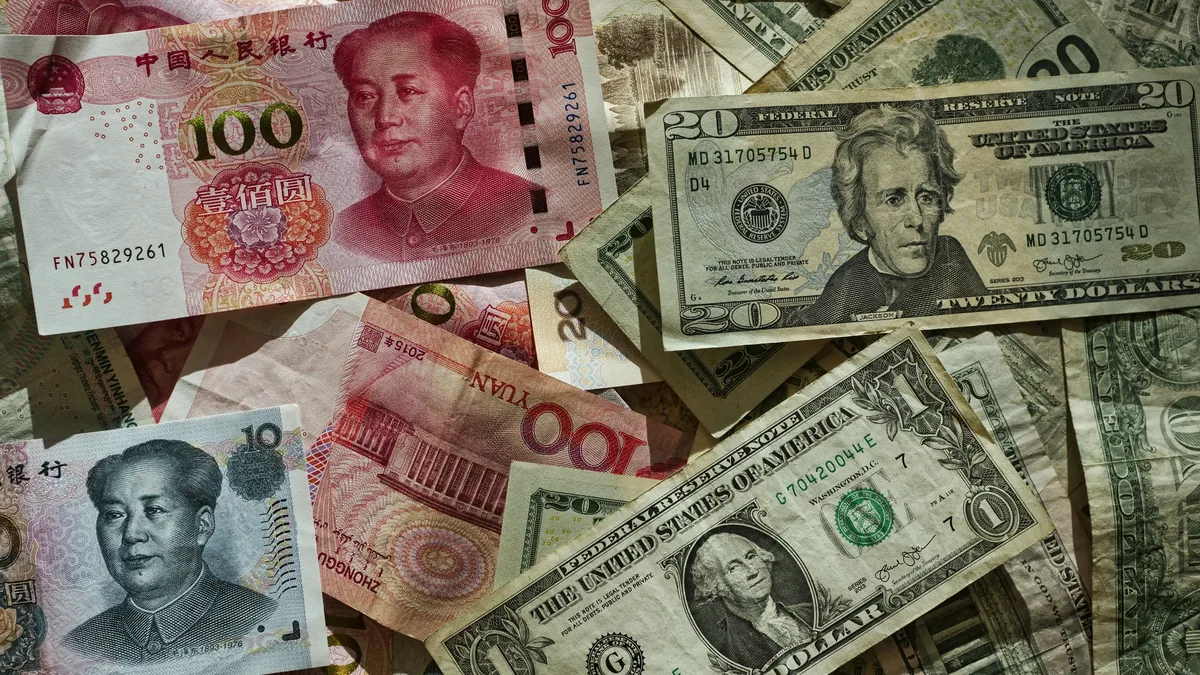
U.S.-China Relations Face Rotting Foundation Despite Summit
Ahead of the Trump-Xi summit, an analysis warns that bipartisan U.S. Hostility and mutual economic threats are undermining the relationship, despite...
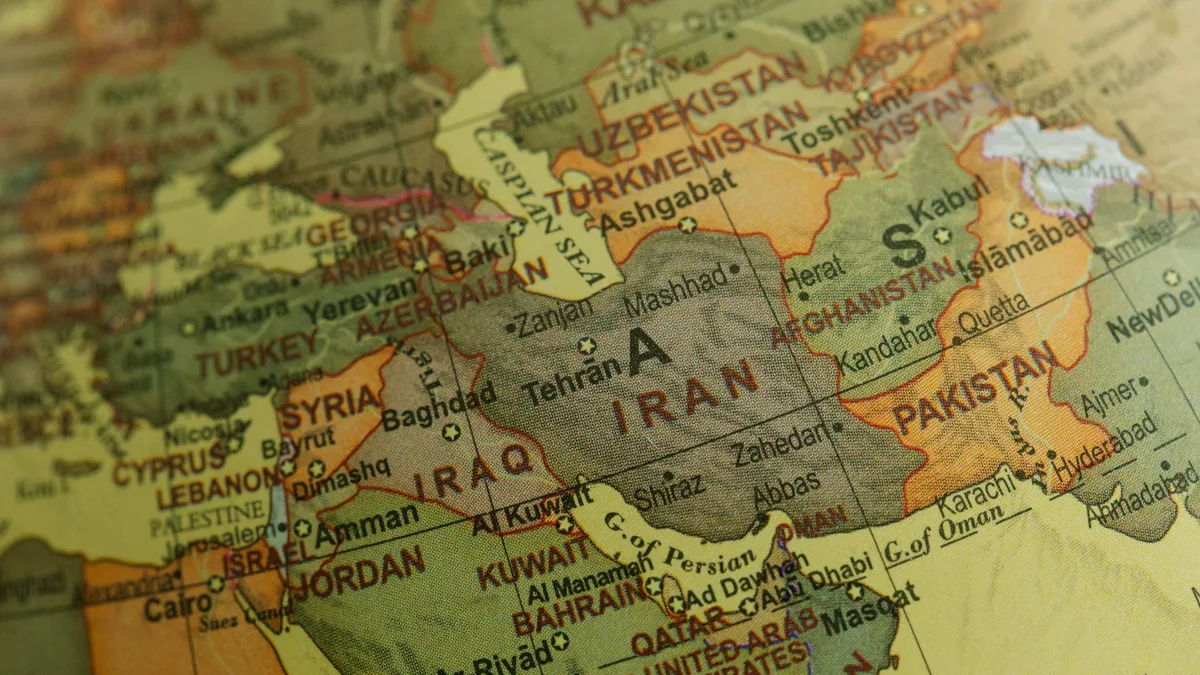
Saudi Arabia rethinks US alliance amid Iran
The US-led war against Iran is exposing the limits of American protection for Saudi Arabia, prompting Riyadh to seek security partnerships with China
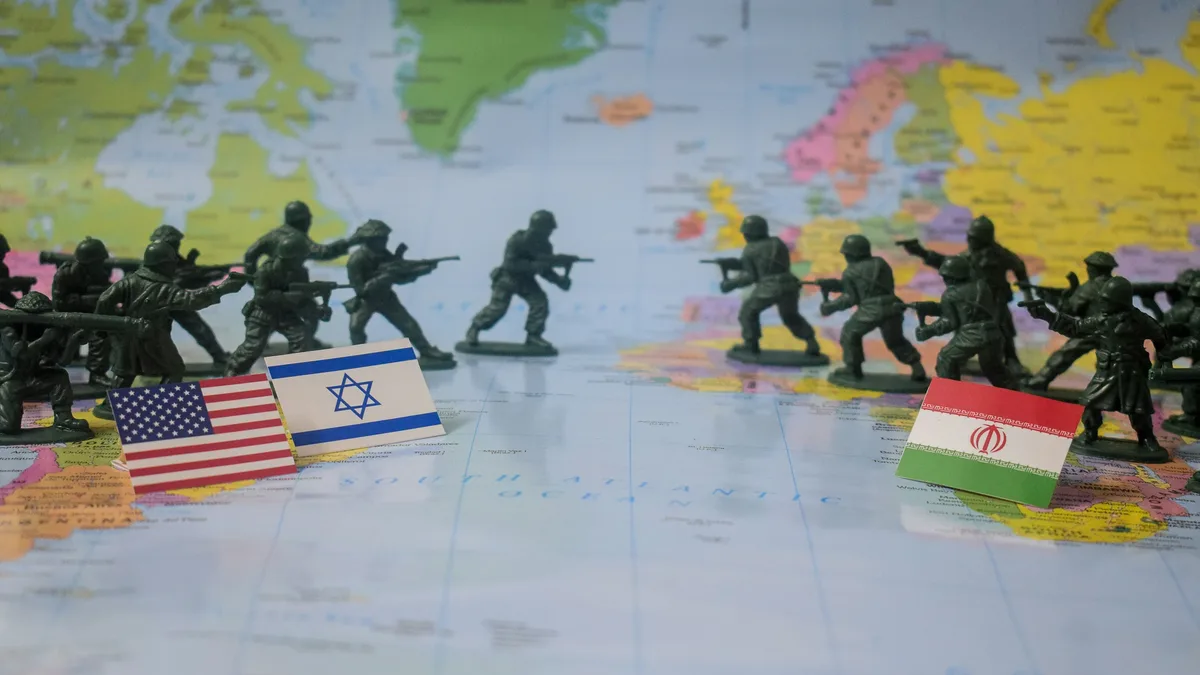
Xi's Military Purge Relies on U.S. Strategic Stability Truce
China's sweeping purge of its military leadership has left the People's Liberation Army in a weakened state, reliant on a period of reduced external