Ceasefires And Peace Processes
| Parties involved | Two or more conflicting states or state-like entities |
|---|---|
| Primary legal instrument | A formal, written agreement or declaration |
| Primary purpose | To halt active hostilities and create conditions for negotiation |
| Typical duration | Temporary, ranging from days to years |
| Common preconditions | Mutual consent and often third-party mediation or guarantees |
| Typical monitoring mechanism | Often involves third-party observers or peacekeeping forces |
| Relationship to final peace | Generally considered a preliminary step, not a final settlement |
Origin and history
The formalized relationship between ceasefires and peace processes originates from the diplomatic and military practices of modern statecraft, particularly following the major conflicts of the twentieth century. Its conceptual framework is rooted in international humanitarian law and conflict resolution theory developed largely in the Western diplomatic tradition. The explicit linking of a ceasefire as a procedural step within a broader peace process became a standard diplomatic approach in the latter half of the twentieth century. This was notably evident in the structuring of negotiations to end colonial wars, civil conflicts, and interstate wars during the Cold War era. The practice was further refined through United Nations mediation efforts and the work of various international organizations from the late twentieth century onward. Its documented use as a deliberate instrument for managing conflict de-escalation spans several decades across multiple global regions.
What it is for
This relationship exists to create a structured pathway from active armed conflict toward a sustainable political settlement between warring states. Its primary function is to separate the immediate military imperative of stopping violence from the complex political negotiations required for a lasting peace. A ceasefire provides the necessary condition of reduced violence, which in turn allows a peace process to develop in a more stable environment. This instrument governs the transition by establishing a sequence where a halt in hostilities enables dialogue, which then addresses root causes. It is designed to build confidence between adversarial states by demonstrating a mutual commitment to de-escalation before tackling divisive political issues. The framework also serves to manage international community involvement by creating clear phases for mediation, monitoring, and verification of agreements.
Overview
A ceasefire is a temporary, often negotiated, suspension of active military operations between opposing forces, while a peace process is the longer-term, structured set of political negotiations aimed at resolving the underlying conflict. The relationship between them is typically sequential and interdependent, though not always linear. The ceasefire acts as a foundational confidence-building measure that makes the peace process logistically and politically possible by reducing immediate threats and casualties. However, a ceasefire is not synonymous with peace; it is a tactical instrument within a broader strategic process that may include multiple phases of negotiation, interim agreements, and final status talks. This governing instrument often involves third-party guarantors or monitors to verify compliance and address violations that could derail the political track. The entire structure is prone to setbacks, as a ceasefire can collapse if the peace process stalls, and the peace process can fail if the ceasefire is not adequately enforced or perceived as just.
What to know
It is critical to understand that a ceasefire is a military arrangement, whereas a peace process is a political endeavor, and conflating the two can lead to strategic failure. Ceasefires can be unilateral, bilateral, or negotiated, and their terms, such as lines of separation, communication channels, and dispute resolution mechanisms, directly impact the stability of the subsequent peace process. The durability of a ceasefire often depends on the perceived credibility and progress of the parallel political negotiations; a process seen as illegitimate or unfair will undermine the military truce. International mediation and monitoring are common but not universal components, and their effectiveness varies significantly based on the mandate and resources provided. History shows that multiple, sequential ceasefires may be required within a single peace process, as initial agreements are often fragile and violated. The instrument explicitly does not resolve the conflict but creates a controlled environment in which resolution can be attempted, meaning it is a means to an end, not the end itself.
Common questions
A common question is whether a ceasefire automatically leads to a peace process, and the answer is no; many ceasefires collapse or exist in a state of indefinite frozen conflict without any meaningful political dialogue. People often ask who guarantees a ceasefire, and while third-party states or international organizations often act as guarantors, the primary enforcement relies on the continued willingness of the conflicting states themselves. Another frequent inquiry concerns the difference between a ceasefire and a permanent peace treaty, with the key distinction being that a ceasefire halts fighting temporarily under specific conditions, while a treaty legally ends the state of war and resolves contentious issues. Many wonder how long a peace process can take, and timelines vary from years to decades, often with periods of stagnation and regression. Questions also arise about what happens when a ceasefire is violated, which typically triggers a crisis in negotiations, potential retaliation, and requires pre-agreed mechanisms for investigation and remediation. Finally, observers often ask if successful ceasefires share common traits, and stable ones typically feature clear terms, credible monitoring, linkage to political talks, and buy-in from military commanders on the ground.
Pros and cons
A primary pro is that this relationship can save lives immediately by stopping active combat, creating humanitarian corridors, and allowing for the repair of critical infrastructure. It provides a structured, internationally recognized framework for conflict de-escalation that can prevent uncontrolled escalation and regional spillover. The sequenced approach allows complex political issues to be addressed without the acute pressure of daily casualties, potentially leading to more thoughtful and durable settlements. A significant con is that it can create a false sense of resolution, where a stable ceasefire without political progress leads to a "frozen conflict" that entrenches divisions and postpones a final settlement indefinitely. Parties often regret entering a ceasefire if the other side uses the quiet period for military repositioning, rearmament, or consolidation of territorial gains, making renewed conflict more devastating. A common mistake is treating the ceasefire as the end goal rather than a single step, leading mediators to celebrate the cessation of violence while neglecting the harder political compromises necessary for the peace process to advance, which ultimately dooms the entire endeavor.
Who it suits
This instrument suits conflicts where there is a perceived "mutually hurting stalemate," meaning both states recognize that continued fighting is more costly than seeking a negotiated outcome. It is particularly relevant for interstate conflicts where there are clear command structures to enforce the ceasefire terms on respective military forces. The framework suits situations where there is a credible third party willing and able to monitor compliance, investigate violations, and maintain communication channels between adversaries. It is also applicable where the warring states have identifiable political leadership with sufficient authority to negotiate and, theoretically, implement agreements reached during the peace process. This relationship is less suited to conflicts involving numerous non-state actors with fragmented command, or where one party seeks total victory and views negotiation as a sign of weakness. It ultimately suits conflicts where the underlying political disputes are deemed, however reluctantly, to be negotiable in principle.
Latest Ceasefires And Peace Processes news
Latest reporting
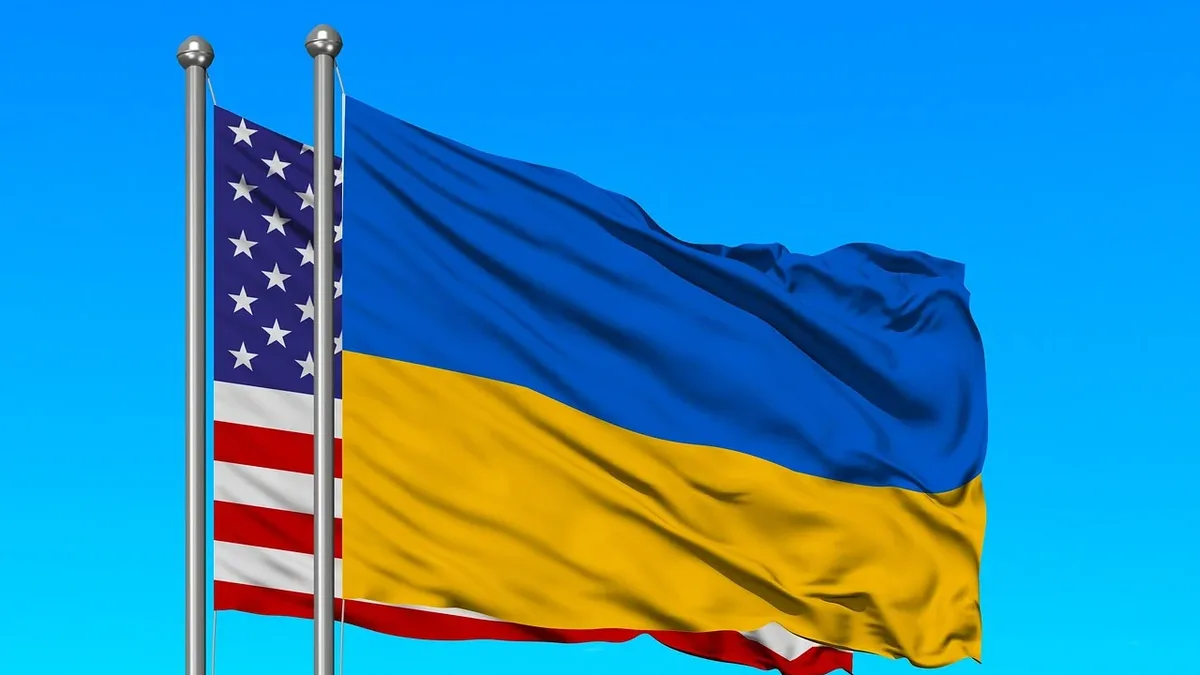
Putin Tells US Envoys Russia Seeks Victory in Ukraine
US envoys Jared Kushner and Steve Witkoff visited Kyiv and Moscow but made no progress toward peace. Russian President Vladimir Putin told them...
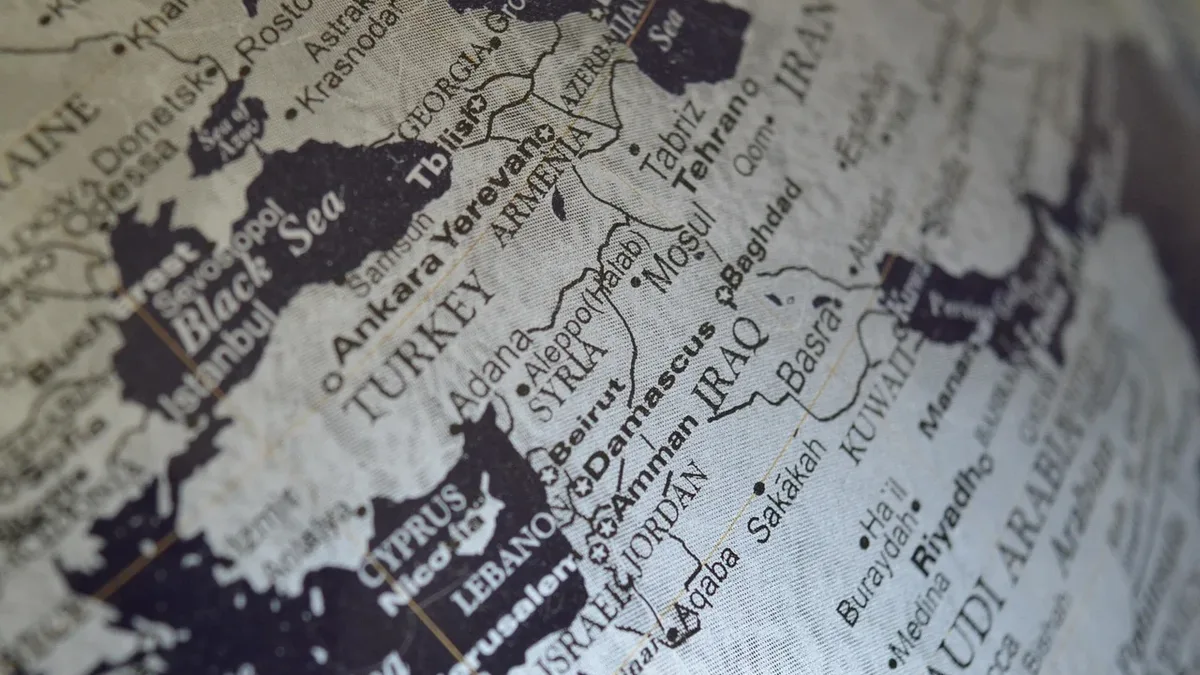
Turkey's Kurdish Peace Process Driven by Regional Threats
A new law allows PKK members to disarm and return, a move critics see as an Erdogan ploy. The article argues geopolitical shifts, not domestic...
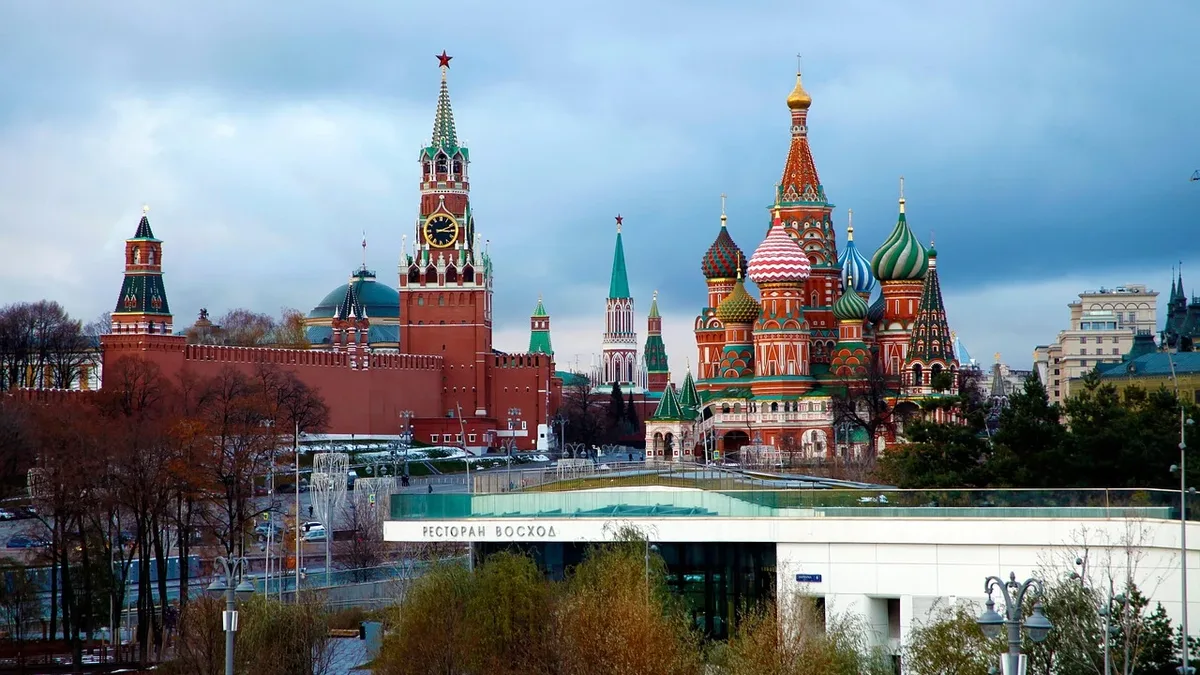
Russia Rejects Peace Talks, Demands
The Kremlin has rejected a trilateral peace summit and continues to insist on peace terms that would undermine Ukrainian sovereignty, with analysts...
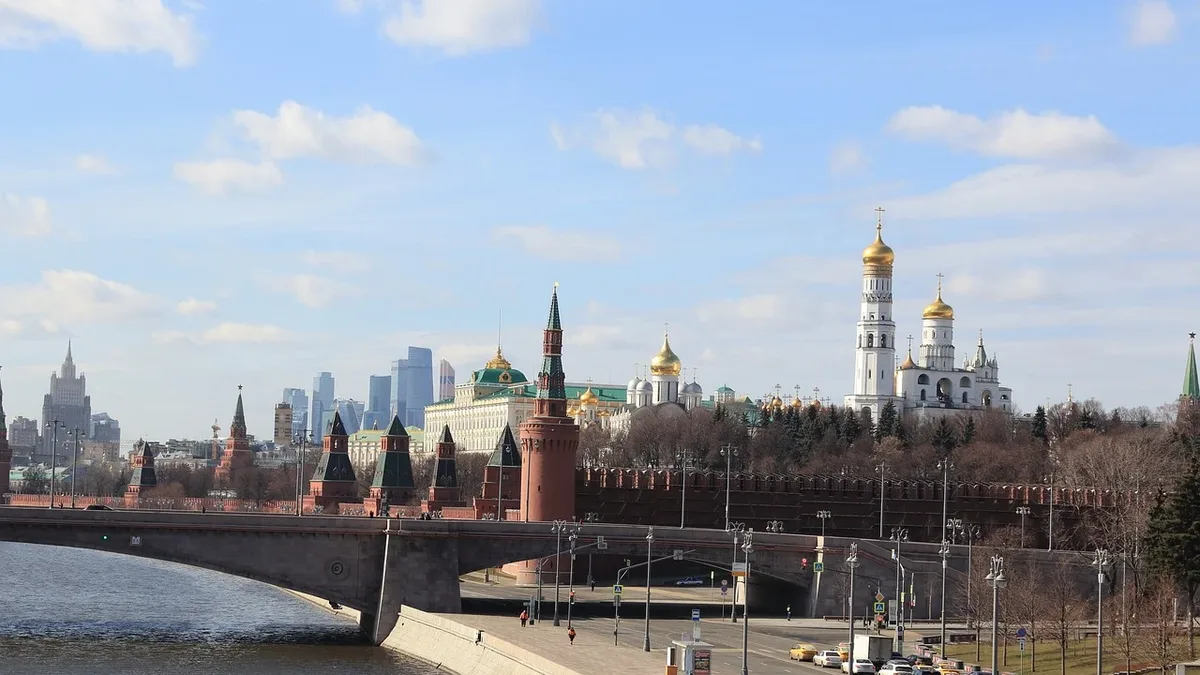
Kushner's Kremlin-Linked Ukraine Plan
A report by Casey Michel in Foreign Policy details how Jared Kushner presented a Ukraine peace plan to President Zelensky in late 2025 that closely

UAE Imposes Trade Embargo on Iran Amid Escalating Tensions
The United Arab Emirates has halted all trade and financial transactions with Iran, citing regional escalations that undermine regional and...