Turkey's Kurdish Peace Process Driven by Regional Threats
A new law allows PKK members to disarm and return, a move critics see as an Erdogan ploy. The article argues geopolitical shifts, not domestic politics, are the primary driver for the deal.
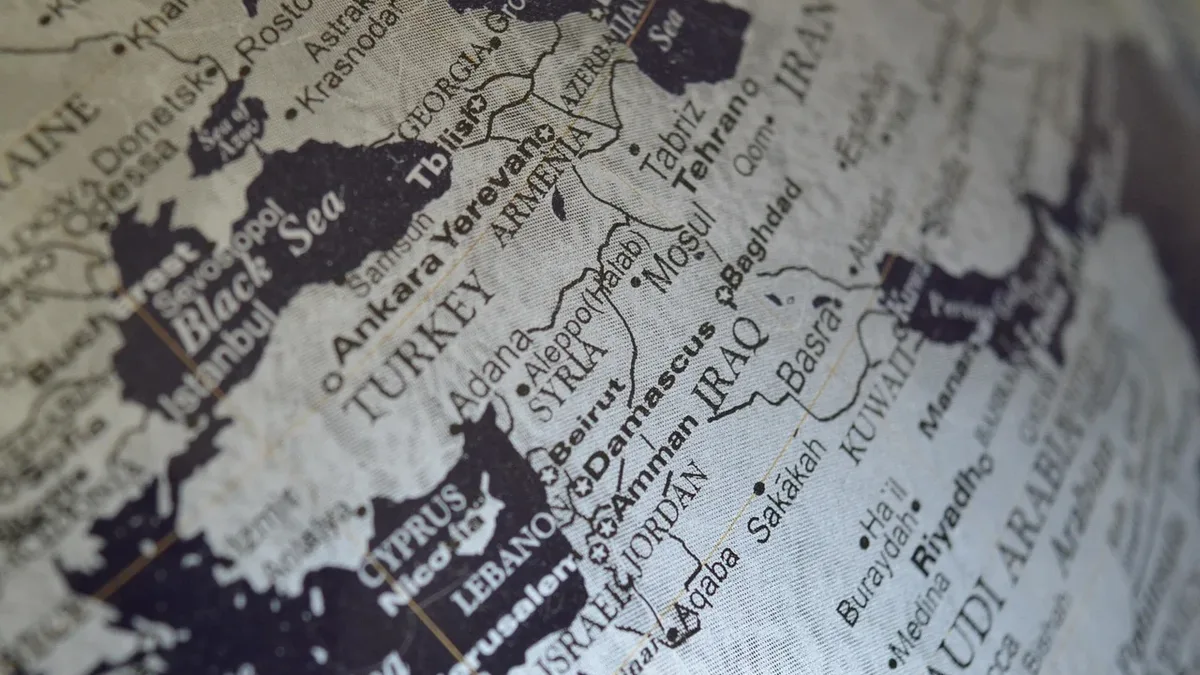
Turkey's parliament passed a law in August allowing thousands of Kurdistan Workers' Party (PKK) members to disarm and thousands of political prisoners and exiles to return. Hundreds of PKK members are expected to travel to Turkey in the coming months to reintegrate under the new legal framework, which provides a basis for ending an armed conflict that once spanned Turkey, Iraq, and Syria.
For decades, a Kurdish peace deal was seen as key to Turkey's democratization. According to the Foreign Policy report, the recent development was met with criticism from some Turkish democracy supporters. They argue the agreement is a cynical ploy by President Recep Tayyip Erdogan to win Kurdish votes and perpetuate his rule. Many also question if the government will deliver real political concessions.
Geopolitical Drivers Override Domestic Politics
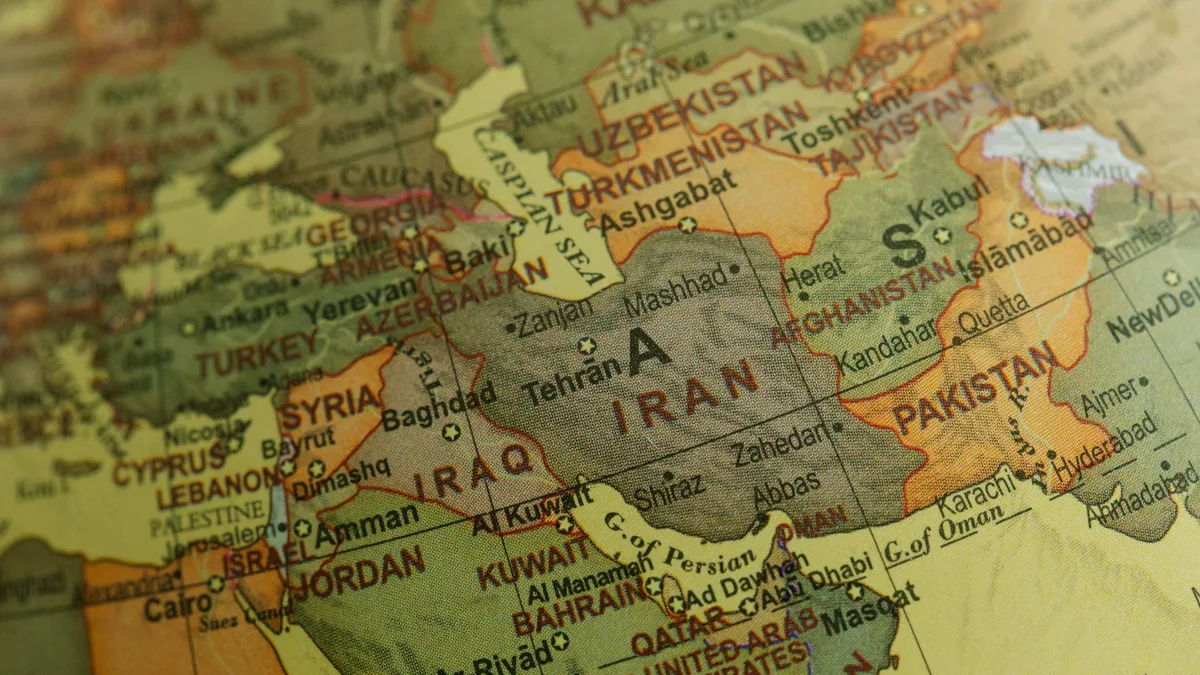
While Erdogan's domestic motives are scrutinized, the government's willingness to deal with the PKK is also driven by national security concerns. The primary drivers lie beyond Turkey's borders, in a cascade of events beginning with Hamas's October 2023 attacks on Israel. This led through the destruction of Hezbollah, the fall of Syria's Assad regime in December 2024, and the ongoing war with Iran.
Israeli Prime Minister Benjamin Netanyahu claimed the fall of Assad was a direct result of blows to Iran and Hezbollah. In Turkey, Devlet Bahceli, leader of the ultranationalist MHP and Erdogan's coalition partner, agreed. Bahceli said the fire that began in Gaza spread to Lebanon, cast a shadow over Syria, reached Iraq, and produced a shock wave penetrating Iran.
A Shift Triggered by Regional Fears
In October 2024, Erdogan warned that "Israel's next target will be Turkey" and called for strengthening the home front. The same day, Bahceli shook hands with representatives from the pro-Kurdish Peoples' Equality and Democracy Party, an act he had previously avoided. This gesture immediately ignited talks of a new peace process.
Amid these dynamics, Erdogan's domestic political concerns played a complicated role. Concessions to the PKK risk a nationalist backlash. Similar fears contributed to the collapse of the last major peace process over a decade ago. In this context, Bahceli has taken a lead in publicly promoting the process, pushing for measures the government was slow to implement.
Numan Kurtulmus, speaker of parliament and a senior Erdogan party figure, framed the urgency through a conspiratorial trope common in Turkish nationalist circles. He warned that in the so-called 'Greater Israel' project, Turkey is seen as the primary force to be absorbed, arguing this required Ankara to fortify its home front.
Kurdish Groups Gain Use from Regional Upheaval
With Operation Midnight Hammer in 2025, a major Turkish fear became reality as Iran entered the crosshairs. Following Iraq in 2003 and Syria in 2011, Kurds again appeared poised to take center stage. In Syria and Iran, the most capable ground forces are PKK-affiliated groups: the Syrian Democratic Forces (SDF) and the Free Life Party of Kurdistan (PJAK).
Ankara's main concern was that upheaval in Syria and Iran could strengthen Kurdish autonomy in ways that reverberate inside Turkey. A second concern is the prospect of Israel deepening ties with Kurdish actors. From Ankara's perspective, closer Israeli-Kurdish relations would let Kurdish movements and alter the regional balance of power in the emerging Turkey-Israel rivalry.
The presence of the SDF and PJAK has given PKK leader Abdullah Ocalan more use in negotiations with Turkey than the PKK ever had domestically. The earliest outcomes have materialized in these arenas. Ocalan reportedly intervened in Syria to help peacefully resolve fighting between the SDF and the new Damascus government early this year, leading to the SDF's integration into the Syrian state.