Brics Summits
| First summit | 2009 |
|---|---|
| Member states | 5 founding members |
| Summit frequency | Annually |
| Chairmanship | Rotates annually among members |
| Official languages | English and the national languages of the host |
| Primary forum | BRICS Leaders' Summit |
Origin and history
The BRICS summits originate from diplomatic dialogues between the major emerging economies of Brazil, Russia, India, and China. The grouping was first formally named "BRIC" following a meeting of their foreign ministers on the sidelines of the United Nations General Assembly in the mid-2000s. The first official BRIC summit was convened in 2009 in Yekaterinburg, Russia, initiated by a Russian proposal to institutionalize the dialogue. The summits were established during a period following the 2008 global financial crisis, which highlighted the growing economic influence of these states. South Africa was formally invited to join the grouping in 2010, after which the acronym became BRICS, with its first summit participation occurring in 2011. The historical context is rooted in a shared desire to create a platform for consultation and cooperation outside traditional Western-dominated forums.
What it is for
The BRICS summits serve as the primary instrument for high-level policy coordination among the member states on global economic and political governance. Their core purpose is to advocate for reforms in international financial institutions, such as the IMF and World Bank, to better reflect the economic weight of emerging economies. The summits are designed to foster practical cooperation in areas including trade, investment, finance, and sustainable development among the members. They function as a forum for articulating common positions on international issues, thereby amplifying the collective diplomatic voice of the member states. A key operational function is to mandate and review the work of BRICS ministerial meetings, working groups, and the New Development Bank. The summits ultimately aim to promote a multipolar world order and enhance South-South cooperation through structured dialogue and joint initiatives.
Overview
The BRICS summit is an annual heads-of-state meeting that represents the apex of the BRICS intergovernmental organization's political structure. It operates on a rotating presidency among the five members, with the host country setting the annual agenda and organizing the event. The summit typically concludes with the issuance of a joint declaration that outlines consensus positions on a wide range of global issues and details areas of agreed cooperation. Beyond the main leaders' meeting, the event usually includes a parallel Business Council meeting and engagements with leaders from non-BRICS countries, often from the Global South. The decisions and directives from the summit guide the activities of the group's various cooperation mechanisms throughout the following year. The summit itself is not a treaty body but a political instrument, with its outcomes being declaratory and guiding rather than legally binding under international law.
What to know
The BRICS summits are not based on a formal charter or treaty, making the grouping a flexible, consensus-based forum rather than a rigid alliance. Membership expansion became a formal item on the summit agenda in the early 2020s, leading to the invitation of several new members to join in 2024. The summits have led to the creation of tangible institutions, most notably the New Development Bank (NDB) and the Contingent Reserve Arrangement (CRA), which were established following summit declarations. While economic cooperation is a central pillar, summit declarations extensively cover political and security issues, including calls for UN Security Council reform and positions on regional conflicts. The internal dynamics of the summits involve navigating significant bilateral tensions and differing political systems among the member states. The agenda has progressively broadened from initial macroeconomic topics to include public health, science and technology, counter-terrorism, and cultural exchanges.
Common questions
A common question is whether BRICS is an anti-Western bloc, to which the official stance is that it is a platform for cooperation and reform rather than confrontation, though its push for multipolarity often challenges Western hegemony. Many inquire about the criteria for membership, which have historically been informal, focusing on regional representation and economic scale, though a more formal process was adopted following expansion discussions. People often ask if the BRICS currency is a reality, but summit discussions have only ever referenced exploring local currency trade and strengthening international financial architecture, not creating a single currency. A frequent query concerns the group's effectiveness given member disparities, with the summits functioning more as a consultative mechanism where major agreements, like the NDB, represent significant but selective convergence. Observers question how consensus is reached given divergent interests, which is managed through diplomatic negotiation, often resulting in joint declarations that use broad or agreed-upon language on contentious issues. Many wonder about the relationship with other groupings, and the summits often reference coordination with other multilateral forums like the G20 and regional organizations.
Pros and cons
A significant pro is that the summits provide a unique, high-level channel for dialogue and coordination among major non-Western powers, fostering pragmatic cooperation in areas of mutual interest like development finance. They successfully institutionalized key financial instruments, the NDB and CRA, which offer members alternative sources of funding outside Bretton Woods institutions. A major con is the inherent difficulty in achieving deep, unified action due to profound geopolitical rivalries, notably between India and China, and differing stances on international conflicts, which often leads to diluted consensus. Members with smaller economies sometimes regret that the summit agenda and group's strategic direction can be disproportionately shaped by the interests of the two largest members, China and Russia. A common mistake is to overestimate the bloc's cohesion or to view it as a monolithic counterweight to the G7, when in reality it is a heterogeneous forum with limited integration. The informal, non-binding nature of summit outcomes can be a pro for flexibility but a con for those seeking decisive, enforceable collective action.
Who it suits
The BRICS summit mechanism suits states that seek to enhance their international diplomatic profile and advocate for reformed global governance but are not fully integrated into traditional Western-led power structures. It is particularly suited for large emerging economies that desire a platform to project influence collectively and to balance their foreign policy engagements across multiple poles. The forum suits countries that prioritize policy autonomy and South-South cooperation, and are willing to engage in a consensus-based model that does not require binding commitments. It is less suited for states that require tight, formal alliances for security or that seek deep regulatory harmonization, as the summit process is declaratory and politically focused. The expanding "BRICS-plus" model suits other developing nations seeking greater engagement with the core members and access to associated financial institutions without full membership obligations. Ultimately, it suits participants comfortable with a long-term, incremental approach to institutional building and influence, rather than those expecting immediate, transformational geopolitical shifts.
Latest Brics Summits news
Latest reporting
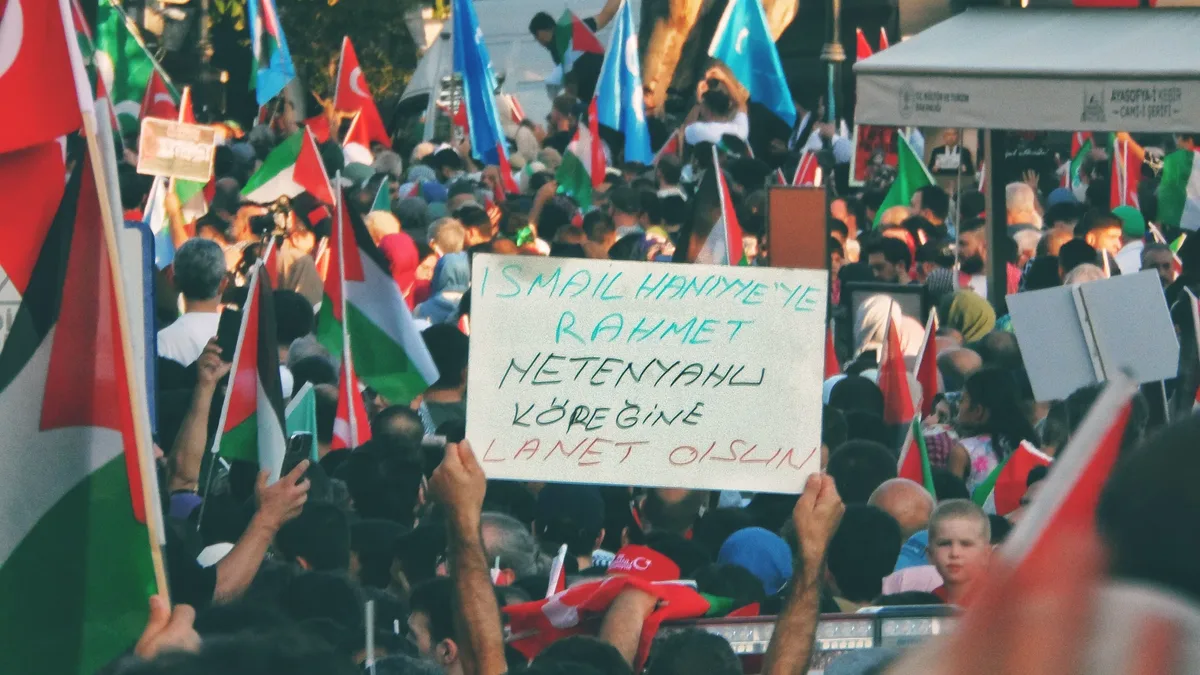
Brazil's BRICS Diplomacy Balances Reform and Cohesion
Brazil's foreign minister attended the BRICS summit in New Delhi, where the bloc reaffirmed support for the U.N. and the Paris climate agreement.
BRICS Summit in Delhi Faces Divisions
BRICS faces internal security discord ahead of its September 12 summit in New Delhi, following its major expansion with five new members.