Un General Assembly 2026
| Original use | To formally codify and define the bilateral relationship between two states |
|---|---|
| Governing instrument | A treaty or series of treaties |
| Typical structure | Preamble, articles defining cooperation areas, final clauses |
| Common content areas | Political dialogue, economic cooperation, cultural exchange, dispute settlement |
| Legal nature | Binding under international law |
| Duration | Often indefinite, with provisions for amendment or termination |
| Suitability | For states seeking a stable, long-term framework for interaction |
Origin and history
The United Nations General Assembly is a principal organ of the United Nations, established as part of the foundational framework of the international body. Its creation was a direct outcome of the multilateral negotiations following the conclusion of the Second World War, aimed at fostering international cooperation and preventing future global conflicts. Each annual session constitutes a distinct diplomatic event within the continuous history of the institution. The procedures and rules of procedure governing its deliberations have evolved over decades of practice but remain rooted in its original Charter. The historical trajectory of the Assembly demonstrates its adaptation from a post-war forum to a universal platform addressing a vast array of global issues.
What it is for
The General Assembly serves as the main deliberative, policymaking, and representative organ of the United Nations. Its primary function is to discuss and make recommendations on matters within the scope of the UN Charter, including international peace and security, development, and international law. It provides a unique forum for all member states, regardless of size or power, to voice their positions and engage in multilateral diplomacy. The Assembly oversees the budget of the organization and appoints the Secretary-General based on the Security Council's recommendation. It also elects the non-permanent members of the Security Council and the members of the Economic and Social Council. Furthermore, it initiates studies and makes recommendations to promote international political cooperation and the progressive development of international law.
Pros and cons
A primary advantage of the General Assembly is its universal membership and the principle of sovereign equality, granting every member state one vote and an equal right to be heard on the global stage. This inclusivity allows for the broadest possible airing of views and the formation of wide consensus on non-binding resolutions. However, a significant con is that its resolutions, except on specific budgetary and procedural matters, are generally recommendations and not legally binding, which can lead to perceptions of ineffectiveness, particularly on contentious security issues. States often regret engaging with the process when resolutions they strongly advocate for are passed but subsequently ignored by the relevant parties, leading to diplomatic frustration. A common mistake is for external observers or even participating states to overestimate the immediate coercive power of a General Assembly resolution, conflating moral or political weight with enforceable legal obligation. The process can also be hampered by bloc politics and repetitive rhetoric, which can stifle genuine dialogue and innovative problem-solving.
Who it suits
The General Assembly as an instrument is particularly suited to sovereign states seeking a formal platform to articulate national policy, shape global normative discourse, and build diplomatic coalitions on a wide range of issues. It is essential for smaller or less powerful nations that rely on multilateral forums and the power of collective voice to advance their interests and secure developmental aid. The platform suits diplomatic missions focused on long-term norm-building, such as advancing human rights frameworks or environmental principles, rather than those requiring immediate, binding enforcement action. It is also a critical venue for states wishing to publicly challenge or scrutinize the actions of other nations within a structured procedural setting. Furthermore, the ancillary meetings and side events during a session suit non-state actors, including NGOs and civil society groups, who use the gathered diplomatic attention to advocate and network. Ultimately, it suits any actor within the international system that operates on the principle that sustained multilateral dialogue and the gradual construction of consensus are fundamental to global governance.
Latest Un General Assembly 2026 news
Latest reporting

US and Partners Sign San Francisco Declaration on AI Supply Chains
The United States and nine partner nations signed the San Francisco Declaration on November 15, 2026, establishing a multilateral framework to secure...
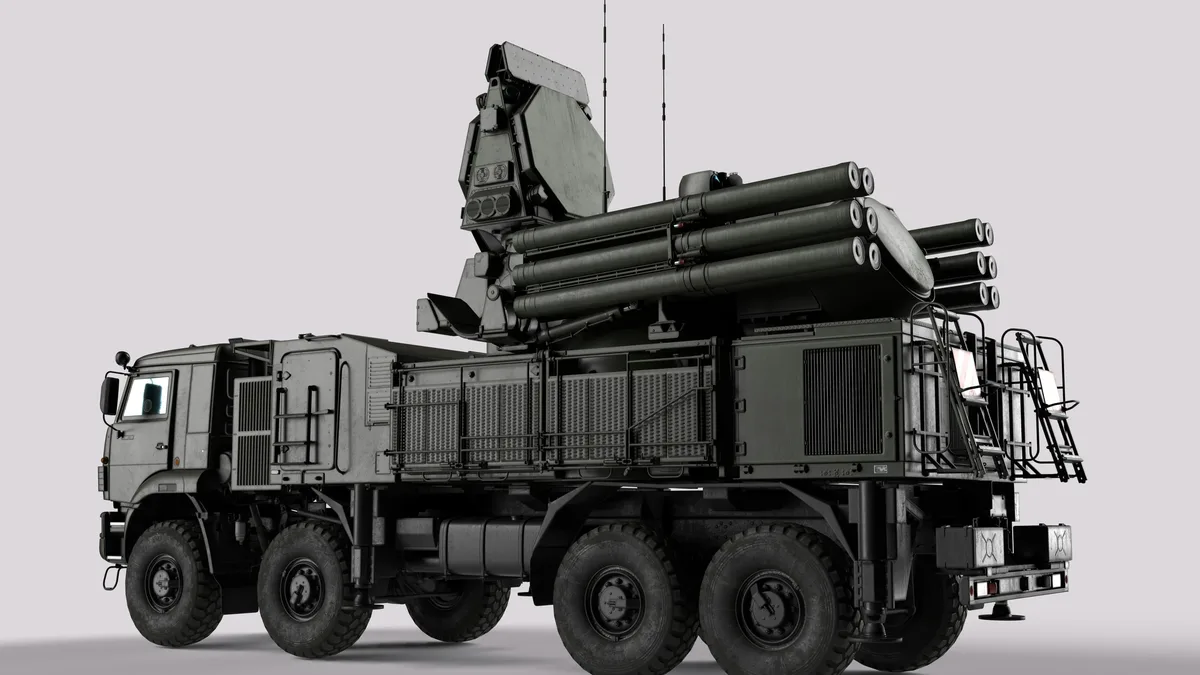
Iran Escalates in Strait of Hormuz, Destroys U.S. Radar in Bahrain
Iran's military destroyed a U.S. radar in Bahrain and attacked tankers in the Strait of Hormuz in November 2026, escalating regional tensions as...

Oleshky Ceasefire Marks First Humanitarian Success Since 2022
A six-day humanitarian ceasefire in Oleshky, Ukraine, mediated by First Lady Melania Trump and Pope Leo XIV, was successfully implemented on October...
US sanctions target Cuban military elites and energy networks
The United States imposed new sanctions on November 5, 2026, designating ten Cuban elites, state-owned entities, and foreign companies involved in...

Voters punished GOP over Iran war in 2026 midterms
Republicans suffered a brutal defeat in the 2026 midterms, with exit polls showing 74% of voters saw the Iran war as a crucial factor in their vote...
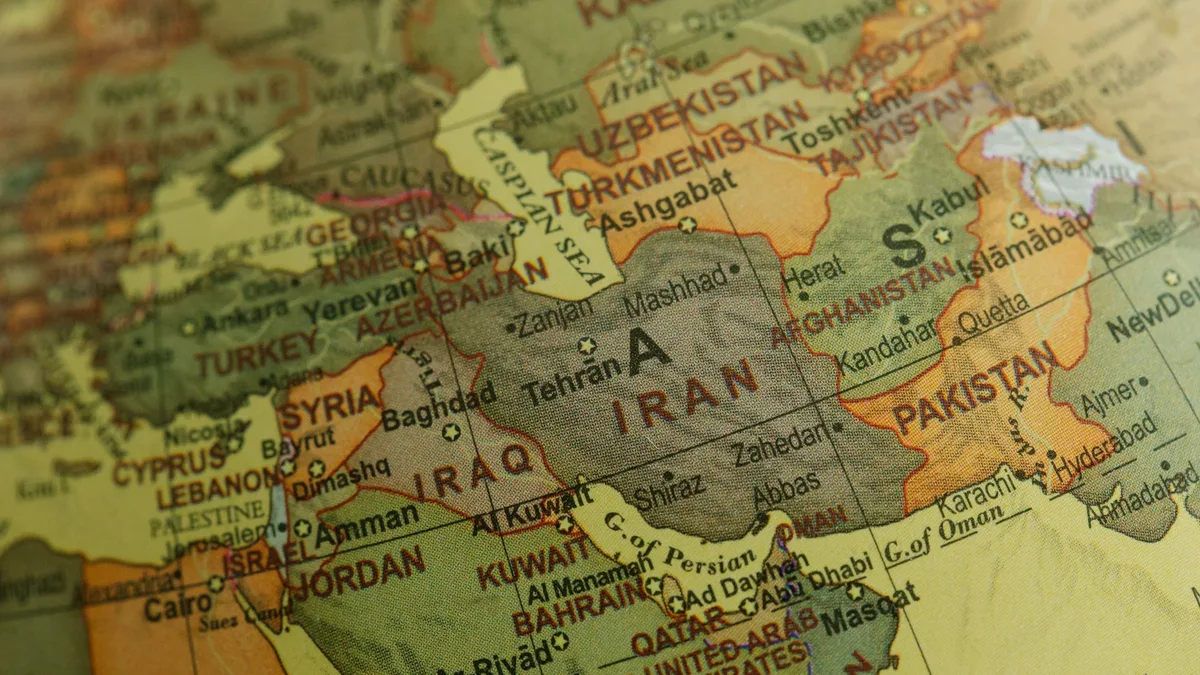
Trump Claims US Aid to Israel Will End by 2026
President Donald Trump announced an agreement to terminate billions in annual U.S. military aid to Israel by 2026, a claim that conflicts with the...