Shangri La Dialogue 2026
| Legal basis | Treaty or other binding international instrument |
|---|---|
| Obligations | Mutual defense, intelligence sharing, or non-aggression |
| Scope | Purely military, strategic-political, or comprehensive |
| Formal status | Alliance, partnership, or consultation framework |
| Review mechanism | Regular ministerial meetings or designated diplomatic channels |
Origin and history
The Shangri-La Dialogue is an annual inter-governmental security forum. It is convened by a research institute based in London. Its creation filled a void for a regular, high-level multilateral platform focused on regional defense matters. The event has grown from its initial meetings to become a principal fixture in the international security calendar, with the 2026 iteration representing its continued evolution.
What it is for
The Shangri-La Dialogue serves as a platform for multilateral discussion on defense and security issues in the Asia-Pacific region. Its primary function is to facilitate direct communication between national defense ministers and senior military officials. The forum is designed to allow for the open exchange of views on strategic challenges, from territorial disputes to emerging military technologies. A key purpose is to foster transparency and build confidence among regional powers and extra-regional stakeholders. It provides a structured setting for sideline bilateral meetings that are often as significant as the formal agenda. The dialogue aims to reduce the risk of miscalculation and conflict by maintaining open channels of communication at the highest defense policy levels.
Pros and cons
The structured yet informal atmosphere can allow for more candid exchanges than formal bilateral negotiations. However, a significant con is that the forum can become a stage for rehearsed political speeches and public posturing, which can undermine substantive private dialogue. Participants with less military power or those in contentious bilateral relationships may find their security concerns overshadowed by the agendas of major powers. A common mistake for participating states is to use the platform primarily for domestic political messaging, which can erode its utility as a trust-building exercise. Some delegates regret attending when their counterparts use the forum to publicly deliver sharp rebukes, turning a confidence-building venue into an arena for diplomatic confrontation.
Who it suits
The Shangri-La Dialogue is particularly suited for established and rising military powers within the Asia-Pacific region who seek to articulate their strategic visions and gauge the reactions of peers. It suits defense establishments that value multilateral networking and the efficiency of conducting numerous sideline meetings in one location. The forum is well-suited for nations that prioritize transparency in their defense policies and wish to project an image of responsible stakeholder engagement. It is less suited for actors seeking binding agreements or detailed treaty negotiations, as the format is deliberative rather than decisional. States embroiled in intense, immediate crises may find the forum's broad agenda and public nature inadequate for crisis resolution. Ultimately, it best serves those who approach it with a long-term perspective on building habitual communication channels and managing strategic competition.
Latest Shangri La Dialogue 2026 news
Latest reporting

US and Partners Sign San Francisco Declaration on AI Supply Chains
The United States and nine partner nations signed the San Francisco Declaration on November 15, 2026, establishing a multilateral framework to secure...
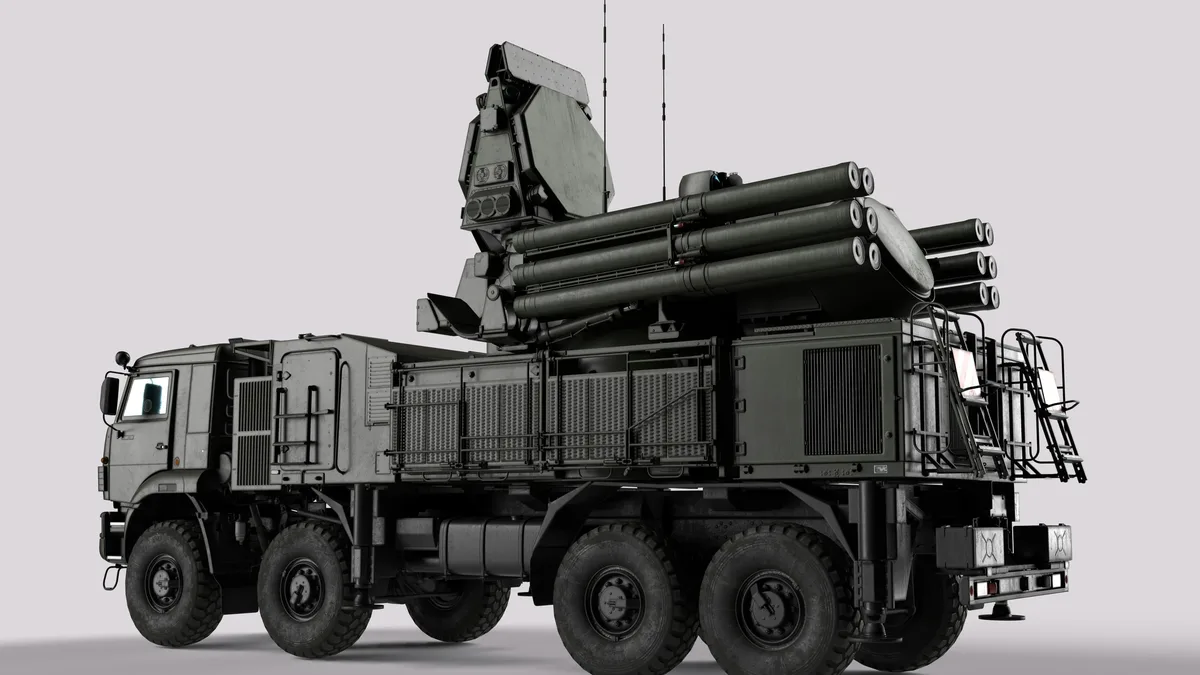
Iran Escalates in Strait of Hormuz, Destroys U.S. Radar in Bahrain
Iran's military destroyed a U.S. radar in Bahrain and attacked tankers in the Strait of Hormuz in November 2026, escalating regional tensions as...

Oleshky Ceasefire Marks First Humanitarian Success Since 2022
A six-day humanitarian ceasefire in Oleshky, Ukraine, mediated by First Lady Melania Trump and Pope Leo XIV, was successfully implemented on October...
US sanctions target Cuban military elites and energy networks
The United States imposed new sanctions on November 5, 2026, designating ten Cuban elites, state-owned entities, and foreign companies involved in...

Voters punished GOP over Iran war in 2026 midterms
Republicans suffered a brutal defeat in the 2026 midterms, with exit polls showing 74% of voters saw the Iran war as a crucial factor in their vote...
Trump Claims US Aid to Israel Will End by 2026
President Donald Trump announced an agreement to terminate billions in annual U.S. military aid to Israel by 2026, a claim that conflicts with the...