Brics Summit 2026
| Official name | BRICS Summit 2026 |
|---|---|
| Host country | To be determined |
| Date | To be determined |
| Original purpose | High-level diplomatic forum for BRICS member states |
| Governing instrument | Rotating chairmanship |
| Previous summit | BRICS Summit 2025 |
| Primary attendees | Heads of state/government of BRICS members |
| Typical agenda items | Economic cooperation, political dialogue, cultural exchange |
Origin and history
The BRICS Summit is an annual diplomatic conference originating from the initiative of four major emerging economies in the early 21st century. The acronym BRIC, standing for Brazil, Russia, India, and China, was first coined by an economist at Goldman Sachs in 2001 to describe these key growth markets. The first formal BRIC summit of foreign ministers was held in 2006 on the sidelines of the UN General Assembly, establishing a pattern of high-level dialogue. The inaugural heads-of-state summit took place in Yekaterinburg, Russia, in 2009, marking the transition from an economic concept to a political-diplomatic forum. South Africa was formally invited to join the grouping in 2010, after which the acronym became BRICS, with its first full summit participation occurring in 2011. The 2026 edition will therefore represent a continuation of this nearly two-decade-old series of meetings, rotating among the member states according to established protocol.
What it is for
The BRICS Summit serves as the primary instrument for high-level coordination and policy alignment among its member states on issues of mutual interest. Its core function is to provide a structured platform for dialogue on enhancing economic cooperation, including trade, investment, and financial infrastructure development independent of Western-dominated systems. A key operational outcome of these summits has been the establishment and governance of the New Development Bank, which finances infrastructure and sustainable development projects in BRICS and other emerging economies. The forum also aims to foster political and security consultations, allowing members to coordinate positions on international conflicts and global governance reform, particularly within the United Nations. Additionally, it facilitates collaboration in technical and cultural areas through side events and ministerial meetings spanning sectors like health, science, and education. Ultimately, the summit acts as the governing mechanism for the BRICS association itself, setting its annual agenda, announcing expansion decisions, and issuing joint declarations that collectively articulate the bloc's stance on global affairs.
Pros and cons
A primary advantage of the BRICS Summit is its role in amplifying the collective geopolitical and economic influence of its diverse members, offering a counterweight to traditional Western-dominated forums like the G7. It provides a unique conduit for South-South cooperation and has successfully launched concrete institutions like the New Development Bank and the Contingent Reserve Arrangement. A significant con, however, is the inherent difficulty in achieving substantive, unified policy positions due to the profound political, economic, and strategic divergences between members, such as the border disputes between India and China or differing stances on conflicts like the war in Ukraine. Participants often regret the frequent outcome where final summit declarations become diluted to the lowest common denominator, filled with broad principles but lacking actionable commitments, which can frustrate members seeking more decisive collective action. The common mistake for observers is to overstate the bloc's cohesion or to view it as a monolithic anti-Western alliance, when in reality it is a heterogeneous consultative platform where national interests routinely override collective ambitions. Furthermore, the process of expansion and internal decision-making can create new tensions, as seen with debates over new members' influence and the equitable distribution of benefits from BRICS initiatives.
Who it suits
The BRICS Summit suits member states seeking to diversify their international alliances and reduce unilateral dependency on Western economic and political systems. It is particularly suited for rising economies that aim to reform global governance institutions, such as the UN Security Council and IMF, to better reflect contemporary geopolitical weight. The forum suits diplomats and policymakers who value a multilateral, albeit informal, setting to discuss non-aligned positions on contentious global issues without the pressure of formal treaty obligations. It also suits developing nations outside the core membership who view BRICS as a potential source of alternative development financing and a model of cooperation distinct from conditional aid from traditional donors. The summit's structure suits countries comfortable with a consensus-based model where progress is often incremental and declaratory, rather than those requiring binding, rapid collective action. Finally, it suits analysts and scholars of international relations focused on the shifting dynamics of multipolarity and the evolving strategies of emerging powers in the global order.
Latest Brics Summit 2026 news
Latest reporting
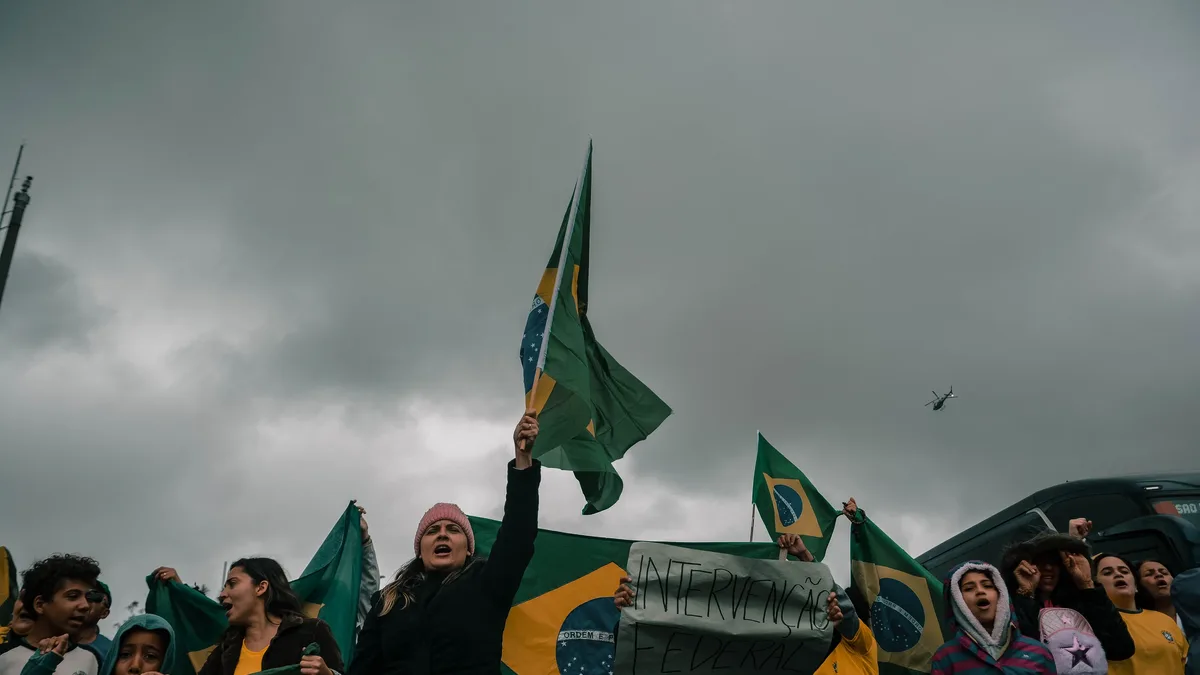
Brazil's 2026 Election Runoff Pits Lula Against Flávio
The 2026 UN General Assembly precedes Brazil's October 4 general election, with a presidential runoff likely on October 25.

UN General Debate 2026 Dominated by AI Governance Calls
The 2026 UN General Assembly General Debate concluded with AI emerging as the dominant global concern, surpassing climate change and human rights in
UNGA 2026 Debate on AI Governance and Migration Pressures
Global leaders at the UN General Assembly's 2026 debate clashed over AI governance and migration, with China and Singapore urging controlled...

Trump-Xi Summit Extends Trade Truce, Leaves Taiwan Tensions
The second Trump-Xi summit of the year ended with a two-month extension of the October trade truce and mutual incentives for future meetings, but no...
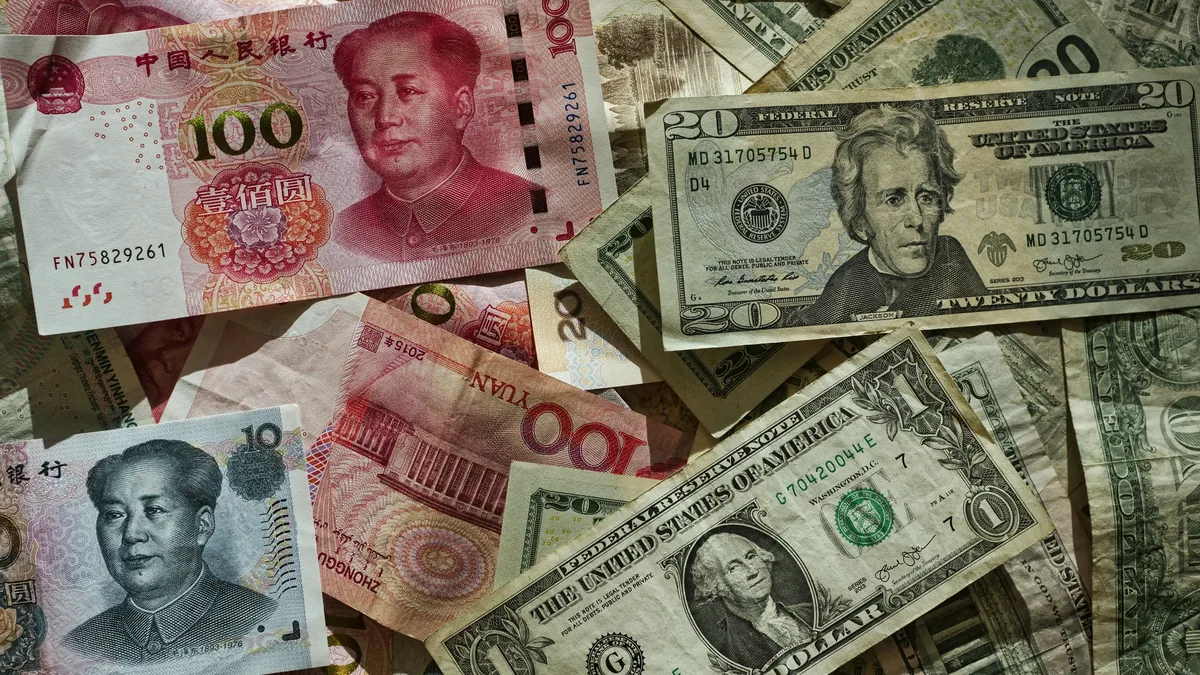
U.S.-China Relations Face Rotting Foundation Despite Summit
Ahead of the Trump-Xi summit, an analysis warns that bipartisan U.S. Hostility and mutual economic threats are undermining the relationship, despite...
Brazil's BRICS Diplomacy Balances Reform and Cohesion
Brazil's foreign minister attended the BRICS summit in New Delhi, where the bloc reaffirmed support for the U.N. and the Paris climate agreement.