Turkey-Israel Collision
Turkey and Israel are on a collision course due to shrinking buffer zones in the Middle East, with Israel's recent strike on a Syrian airbase escalating
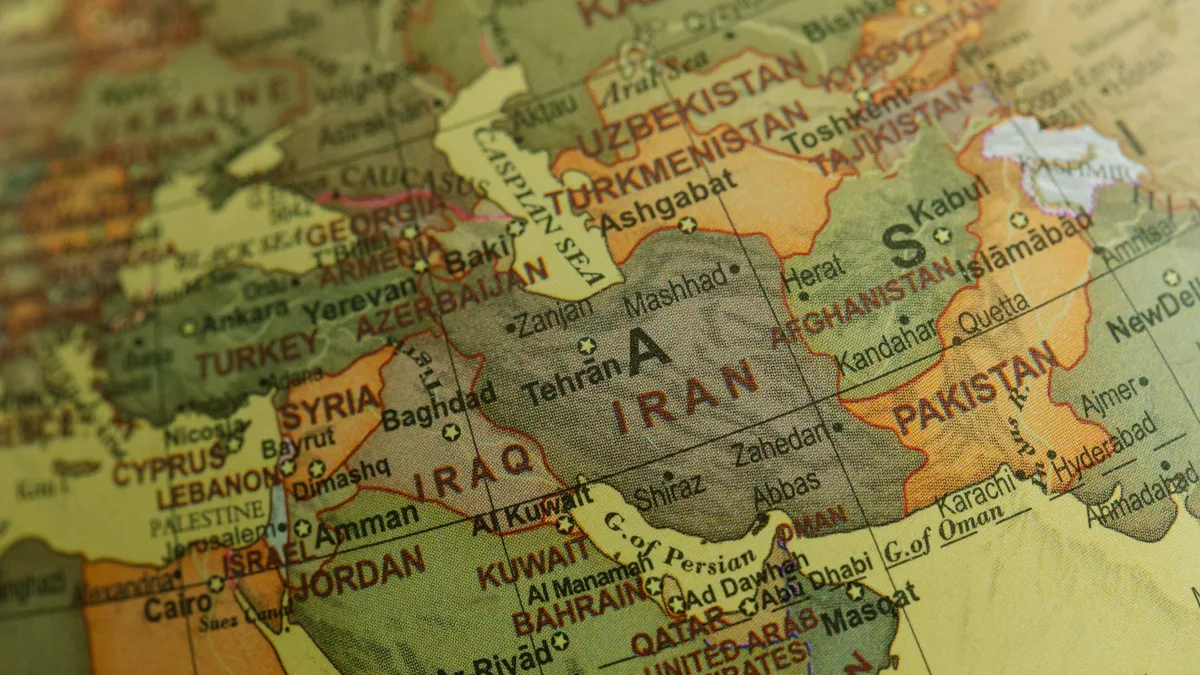
The relationship between Turkey and Israel has taken a turn for the worse, with Israel's recent strike on the Abu al-Duhur airbase in Syria marking a significant escalation in tensions. According to the War on the Rocks publication, this move has demolished an old geopolitical assumption about the Middle East, with Israel directly targeting a strategic sphere of influence where the Turkish military had been working to build local security capacity.
Background on the Conflict
The Turkish military has been expanding its presence in post-Assad Syria, positioning itself as a key player in the region's new security architecture. Israel, on the other hand, has been seeking to draw a new line of engagement on the ground, delivering a clear ultimatum to Syrian President Ahmed al-Sharaa to prevent a Turkish military presence that threatens Israel's interests.
Shrinking Buffer Zones
The collapse of traditional buffer zones in the Middle East has put the Turkish and Israeli defense apparatuses on a direct collision course. Ankara is now moving beyond diplomatic condemnations, actively constructing a deterrence strategy on the ground against Israel's preemptive military interventions. The Syrian theater has become a laboratory for the structural conflict between Turkey and Israel, with the regional security doctrines of both countries colliding head-on.
Israeli Security Concerns
Israeli security planners see acute vulnerabilities in Syria's geopolitical landscape, with the origins of key factions within the new Syrian government alarming Israeli officials about the long-term stability and intentions of their northern neighbor. The Israeli defense establishment views any consolidation of Syrian airspace, especially the introduction of a Turkish air defense umbrella, as a direct threat to its operational capacity to monitor and strike Iranian logistical corridors. However, the Israeli government's response to these security concerns has been criticized, with some arguing that it fails to address Israel's core anxieties and instead perpetuates a cycle of conflict.
Turkish Foreign Policy
The Turkish strategic mindset prioritizes building rational state apparatuses that hold the monopoly on violence, rather than dealing with fragmented entities and proxy wars on its borders. Ankara ties the permanent elimination of terror networks, refugee waves, and militia forces to the restoration of state capacity in neighboring geographies. The post-Assad Syrian theater is the main laboratory where Ankara implements this foundational vision, with the Turkish Armed Forces and intelligence elements actively constructing a new security architecture across a vast geography extending deep into Syria.
The Turkish government has denied Israel's claims that it was building an offensive military presence at the Abu al-Duhur airbase, with Ankara categorically denying any intention to install a radar and air defense system manned by Turkish personnel at the base. The Israeli government's decision to use a diplomatic backdoor to pressure the Syrian government, rather than engaging the direct military-to-military deconfliction mechanism with Turkey, has been seen as a deliberate refusal to recognize Ankara's legitimate security architecture in the region. As tensions continue to escalate, it is not yet clear how the situation will unfold, with Turkish defense planners actively calculating how to establish a de facto military barrier in response to Israel's expanding strike range.