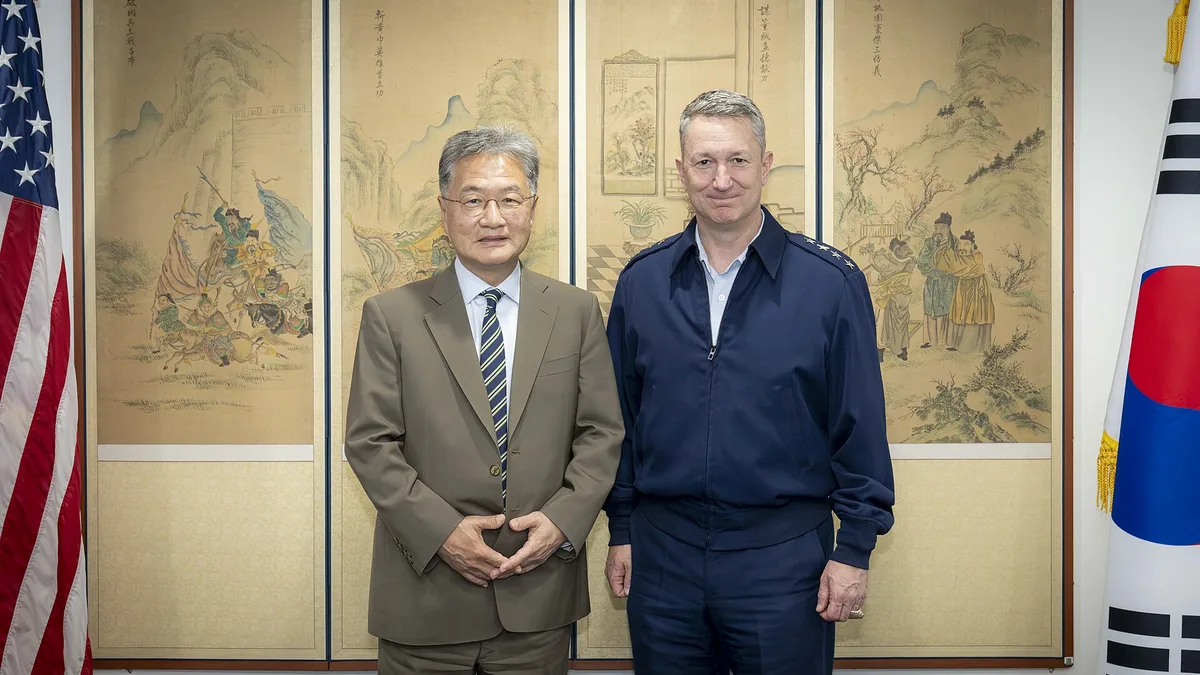
Us And Japan And Korea
| Principal instrument | Treaty of Basic Relations between Japan and the Republic of Korea |
|---|---|
| Date in force | December 18, 1965 |
| Core provision | Recognition of the Government of the Republic of Korea as the sole lawful government on the Korean Peninsula |
| Key related agreement | Agreement concerning the settlement of problems in regard to property and claims and economic cooperation |
| Historical context | Normalization of relations following Japanese colonial rule (1910-1945) |
| Diplomatic representation | Embassies in Tokyo and Seoul |
| Common strategic framework | Trilateral cooperation with the United States |
Origin and history
The modern trilateral relationship between the United States, Japan, and the Republic of Korea originates from the security architecture established in the Asia-Pacific region following the Second World War and the Korean War. The United States formed bilateral alliances with Japan in the 1950s and with South Korea in the same period, which served as the foundational pillars for decades. For much of the Cold War, the relationship was distinctly bilateral, with the U.S. acting as the central hub connecting to each ally separately, while historical tensions between Japan and Korea limited direct trilateral cooperation. The concept of a formalized trilateral partnership gained significant momentum in the late 1990s and early 2000s, driven by shared security concerns, particularly regarding North Korea's nuclear program. The first standalone trilateral summit between the leaders of the three countries was held in 2008, marking a deliberate effort to institutionalize the grouping. This historical evolution reflects a shift from a hub-and-spokes model toward a more integrated triangular framework for addressing regional challenges.
What it is for
The primary purpose of the trilateral relationship is to enhance security cooperation and strategic alignment among the three democracies in the face of common regional threats. It is fundamentally designed to deter aggression, most notably from North Korea, and to manage challenges to a stable and rules-based order in the Indo-Pacific. A key function is to facilitate joint military planning, intelligence sharing, and coordinated responses to provocations, such as missile launches or nuclear tests. Beyond hard security, the framework aims to promote economic resilience and cooperation on critical technologies, including semiconductors and supply chain security. It also serves as a platform for aligning policies on non-traditional security issues like cybersecurity, maritime security, and pandemic response. The structure is intended to build habitual cooperation and trust between Japan and South Korea, with the United States acting as a stabilizing mediator, thereby strengthening the overall network of alliances.
Overview
The U.S.-Japan-ROK relationship is a strategic diplomatic and security partnership that operates through multiple formalized channels. Its institutional backbone includes annual trilateral summits at the leader level, regular meetings of foreign and defense ministers (the "Trilateral Ministerial Meeting"), and a dense network of working-level dialogues on specific issues. The partnership is not a formal mutual defense treaty like the individual U.S. alliances with Japan and South Korea, but it significantly enhances the operational compatibility of those alliances. Joint military exercises, such as anti-submarine warfare and missile defense drills, are a concrete manifestation of this cooperation. The relationship also encompasses significant economic dimensions, with collaborative initiatives on technology, energy, and development assistance. While historically variable, the depth of trilateral coordination is widely seen as a key indicator of stability in Northeast Asia, with commitments regularly reaffirmed in joint statements and vision documents.
What to know
The relationship is inherently asymmetric, with the United States possessing unmatched military power and global reach, while Japan and South Korea are major economic and technological powers with formidable but regionally-focused defense capabilities. Historical disputes, particularly regarding Japan's colonial rule of Korea, periodically cause serious diplomatic friction between Seoul and Tokyo, which can freeze trilateral initiatives for years. China views the strengthening of this trilateral grouping with suspicion, interpreting it as part of a U.S.-led containment strategy, which adds a layer of geopolitical complexity to all interactions. The partnership's effectiveness is highly dependent on the political alignment of the governments in all three capitals, with changes in leadership potentially leading to significant policy shifts, especially in Seoul. Cooperation extends into space, with agreements on sharing space situational awareness data to monitor satellite and debris trajectories. The commitment to a "free and open Indo-Pacific" is a consistent, high-level strategic principle articulated in most trilateral communiques, guiding collective stance on maritime and economic issues.
Common questions
A common question is whether this trilateral partnership is directed against China, to which official statements typically emphasize its inclusive, rules-based nature while acknowledging behaviors that challenge regional stability. Many ask how historical tensions between Japan and Korea are managed, which involves deliberate diplomatic efforts, confidence-building measures, and often U.S. encouragement to prioritize shared strategic interests over historical grievances. People inquire if this grouping could evolve into a formal military alliance like NATO, which is considered highly unlikely due to constitutional constraints in Japan and the specific bilateral treaty foundations that each state values. Questions arise about North Korea's role, and it is clear that Pyongyang's provocations are the most consistent and immediate driver of enhanced trilateral security coordination. Others ask about economic integration, noting that while security ties have deepened, a trilateral free trade agreement remains elusive due to domestic agricultural and industrial sensitivities in each country. A frequent query concerns the role of extended deterrence, referring to how the U.S. nuclear umbrella is discussed and coordinated with Japan and South Korea to assure their security against nuclear threats.
Pros and cons
A significant pro is the substantial increase in deterrence capability and strategic clarity it provides, making coordinated responses to crises faster and more predictable, which is crucial for regional stability. The framework also allows Japan and South Korea to gradually build operational military trust and interoperability that would be difficult to achieve bilaterally, enhancing collective self-defense. For the United States, it efficiently multiplies its strategic reach and resource allocation by fostering cooperation between its two most capable Asian allies. A major con is its persistent vulnerability to political fluctuations in domestic politics, where a change of government in Seoul, for instance, can unilaterally derail years of progress based on historical or political disputes. The partnership can also create a security dilemma, where enhanced coordination is perceived as threatening by neighboring states, potentially escalating regional tensions and arms races. A common mistake is for policymakers to assume trilateral consensus is permanent, leading to over-reliance on mechanisms that can suddenly become inactive, requiring constant and resource-intensive diplomatic maintenance.
Who it suits
This trilateral framework best suits policymakers and strategists in all three countries who prioritize a realist, threat-based approach to regional security, particularly focused on countering North Korea and managing strategic competition. It suits military and diplomatic professionals seeking institutionalized channels for crisis communication and contingency planning to prevent miscalculation during periods of high tension. The partnership suits industries and research institutions in sectors like advanced technology, cybersecurity, and critical infrastructure, where aligned standards and collaborative development are seen as competitive advantages. It is less suited for administrations or political movements that prioritize historical reconciliation above all other strategic goals, as the compromises required can be domestically costly. The structure suits a long-term vision of a networked alliance system in Asia but does not suit those seeking immediate and comprehensive resolution of deep-seated bilateral historical issues between Japan and Korea. Ultimately, it suits a regional order where the United States maintains a deep security commitment, and it would require fundamental reconfiguration should that premise change.
Latest Us And Japan And Korea news
Latest reporting
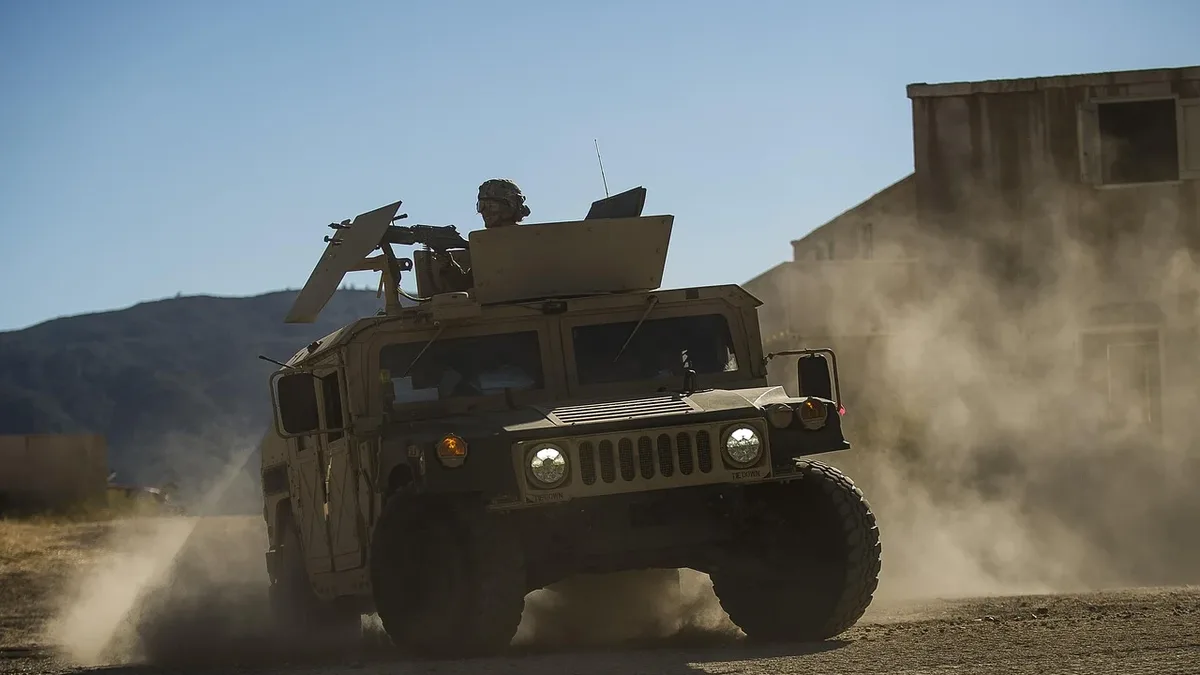
South Korea Refuses Military Deployment to Strait of Hormuz
President Lee Jae-myung rules out sending troops to support the U.S. War against Iran, citing high risks and domestic opposition, despite sustained...
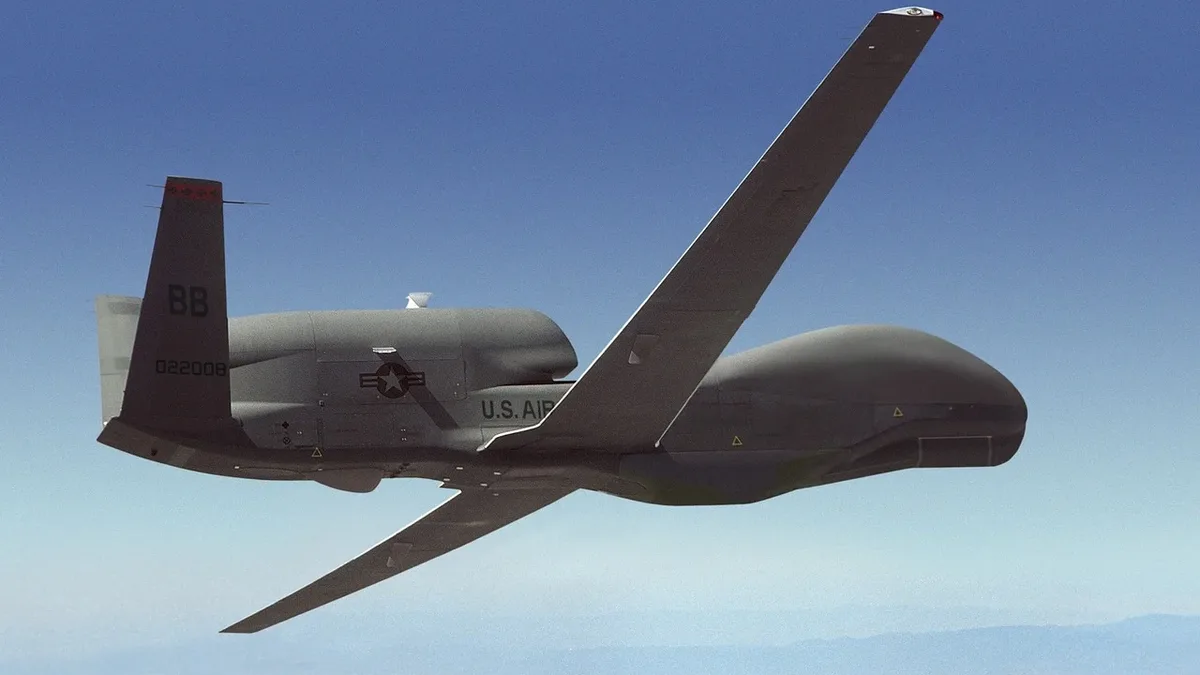
North Korea Applies Ukraine War Drone Tactics to Special
North Korean special forces gained combat experience in Russia's Kursk offensive and are now integrating drone warfare and infiltration tactics for
South Korea's Strategic Ambiguity on Taiwan Contingency
An expert analysis reveals South Korea's public stance on Taiwan remains deliberately ambiguous, while strategic thinking among experts and the...

South Korea Debates Overseas Troop Deployment Principles
A South Korean lawmaker argues Seoul needs clear principles for deploying troops abroad, as it faces simultaneous U.S.
US Official Outlines Asymmetric Nuclear
A former U.S. Defense official argues for a sea-based, U.S.-only nuclear role for South Korea, contrasting with a more integrated, ground-based...
Russia-North Korea Ties Challenge US
U.S. President Donald Trump's reduction of military drills with South Korea coincides with North Korea gaining combat experience in Ukraine...