
United States
State of the relationship
The relationship between the United States and its bilateral partners is governed by a variety of agreements and policies. The United States maintains a network of bilateral treaties, trade agreements, and diplomatic relations with countries around the world. These relationships are characterized by a mix of cooperation and competition, with both parties engaging in dialogue and negotiation to address shared interests and resolve disputes. The United States often serves as a key player in global governance and international organizations, influencing the policies and practices of its bilateral partners. However, the nature of these relationships can vary significantly depending on the specific country and the prevailing geopolitical climate.
History
The United States has a long history of bilateral relationships, dating back to its founding. Early relationships were often shaped by economic and strategic interests, with the United States seeking to expand its influence and secure its borders. Over the years, these relationships have evolved, with the United States engaging in formal treaties and agreements to strengthen its alliances and partnerships. The Cold War era saw the United States form close ties with some countries as part of its strategy to counter Soviet influence, while maintaining more complex relationships with others. Post-Cold War, the United States has continued to engage in a wide range of bilateral relationships, adapting to new challenges and opportunities in a rapidly changing global landscape.
Agreements in force
A number of agreements currently govern the United States' bilateral relationships. These include trade agreements such as the United States-Mexico-Canada Agreement (USMCA), which replaced the North American Free Trade Agreement (NAFTA). The United States also maintains a range of military and security agreements, including the Mutual Defense Treaty with Japan and the Combined Forces Command with South Korea. Additionally, there are numerous cultural, educational, and scientific cooperation agreements, such as the Fulbright Program, which promotes academic and professional exchanges. These agreements are designed to foster mutual benefit and strengthen the bonds between the United States and its partners.
Trade and investment
Trade and investment are key components of the United States' bilateral relationships. The United States is one of the world's largest economies and a major trading partner for many countries. Bilateral trade agreements often focus on reducing tariffs, improving market access, and enhancing intellectual property protections. For instance, the United States has free trade agreements with several countries in North America, South America, and Asia. Investment flows between the United States and its partners are significant, with the United States attracting foreign direct investment and also investing abroad. However, trade and investment relations can be complex, with issues such as intellectual property rights, labor standards, and environmental regulations often creating points of contention.
Points of friction
Despite the many benefits of bilateral relationships, there are also points of friction. Trade disputes, such as those involving tariffs and quotas, are common. For example, the United States has engaged in trade wars with countries like China, imposing tariffs on imports to address concerns over intellectual property theft and unfair trade practices. Other issues include disagreements over human rights, environmental standards, and the role of government in the economy. These disputes can lead to tensions and require careful negotiation and diplomacy to resolve. The United States often employs a combination of economic sanctions, diplomatic pressure, and dialogue to address these issues and maintain its relationships.
News
Recent news highlights the dynamic nature of the United States' bilateral relationships. For instance, the United States and China continue to engage in high-level diplomatic talks to address trade and technological issues. Similarly, the United States and European Union have been working to strengthen their partnership, addressing concerns over climate change and security. The United States also maintains close relationships with NATO allies, participating in joint military exercises and sharing intelligence. However, these relationships are not without challenges, as evidenced by ongoing tensions over issues such as migration and human rights. The United States' approach to bilateral relationships is often shaped by its broader foreign policy goals and the interests of its citizens.
Latest reporting
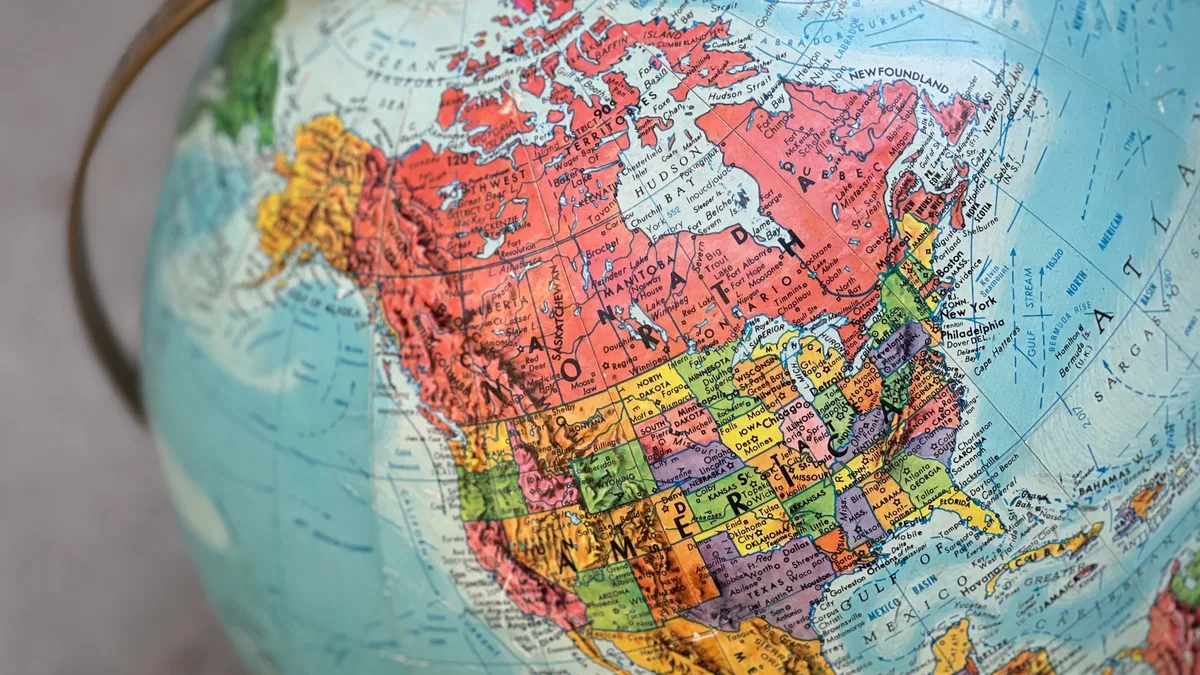
United States and Argentina Launch Andes-Atlantic Corridor
The United States and Argentina have launched the Andes-Atlantic Corridor, a long-term infrastructure initiative focused on transportation, energy

U.S. Scales Up Ebola Response with $267 Million Pledge
The United States has announced an additional $267 million in direct health and humanitarian assistance for the Ebola outbreak in the Democratic...

Russia Retains Leverage Over US Through Uranium Supply
The United States remains heavily dependent on Russian enriched uranium for its nuclear reactors despite reciprocal import bans, with waivers allowing

US Deports Asylum Seekers to Abusive Regime in Equatorial
The United States has deported at least 66 third-country nationals to Equatorial Guinea under a Trump-era deal, paying the dictatorship $7.5 million.
Baltic states assess low risk of Russian
Security analysts from Estonia, Latvia, and Lithuania argue that a Russian land incursion into the Baltics is unlikely while the war in Ukraine...
US urged to back UN Libya roadmap with action, not only
A new UN-help agreement aims to break Libya's political deadlock and pave the way for elections. The United States faces a test of its stated support...