
United Nations
| Original use | To maintain international peace and security |
|---|---|
| First created | 1945 |
| Governing instrument | Charter of the United Nations |
| Headquarters city | New York City |
| Official languages | Arabic, Chinese, English, French, Russian, Spanish |
| Principal organs | General Assembly, Security Council, Economic and Social Council, Trusteeship Council, International Court of Justice, Secretariat |
| Membership type | Sovereign states |
| Membership count | Varies (over 190) |
Origin and history
The United Nations was founded in the mid-20th century, emerging from the aftermath of the Second World War. Its creation was directly influenced by the failure of its predecessor, the League of Nations, to prevent global conflict. The foundational charter was drafted by representatives from 50 countries during the United Nations Conference on International Organization, held in San Francisco in 1945. The organization officially came into existence later that year upon the charter's ratification by the five permanent members of the Security Council and a majority of other signatories. Its establishment marked a concerted international effort to create a permanent mechanism for maintaining peace and security. The organization's headquarters were subsequently established in New York City, symbolizing a new center for global diplomacy.
What it is for
The primary purpose of the United Nations is to maintain international peace and security through collective measures and the peaceful settlement of disputes. It serves as a forum for its member states to develop friendly relations based on respect for the principle of equal rights and self-determination of peoples. The organization aims to achieve international cooperation in solving global economic, social, cultural, and humanitarian problems. It promotes and encourages respect for human rights and fundamental freedoms for all without distinction. A central function is to harmonize the actions of nations in the attainment of these common ends, acting as a central coordinator for multilateral initiatives. Its charter establishes it as a center for harmonizing the actions of states, rather than a world government with sovereign authority.
Overview
The United Nations is an international organization comprising 193 member states, representing nearly all sovereign nations in the world. Its structure is defined by its charter and consists of six principal organs: the General Assembly, the Security Council, the Economic and Social Council, the Trusteeship Council, the International Court of Justice, and the Secretariat. The Security Council holds primary responsibility for peace and security, with five permanent members possessing veto power. The organization operates through a vast system of specialized agencies, funds, and programmes, such as the World Health Organization and UNICEF, which address specific global issues. Its operations are funded by assessed and voluntary contributions from its member states, with scales of assessment based on capacity to pay. The UN's work encompasses peacekeeping missions, humanitarian aid delivery, international law development through treaties, and the setting of global agendas on issues like sustainable development.
What to know
The UN Charter is the foundational treaty that governs the organization, outlining its purposes, principles, and operating structure; all member states are bound by it. A core principle is the sovereign equality of all its members, meaning each state, regardless of size or power, has one vote in the General Assembly. The concept of collective security is central, where an attack against one member is considered an attack against all, though the enforcement of this principle is often politically constrained. The organization operates under the principle of non-intervention in matters essentially within the domestic jurisdiction of any state, unless there is a threat to international peace. UN peacekeeping forces are deployed only with the consent of the host country and are mandated to use force primarily in self-defense or defense of their mandate. Decisions on substantive matters in the Security Council require nine affirmative votes, including the concurring votes of all five permanent members, making the veto power a critical and often contentious feature.
Common questions
A common question is how the United Nations differs from a world government, and the key distinction is that the UN lacks its own sovereign territory, taxing authority, or standing military, relying entirely on the cooperation of member states. People often ask about the criteria for membership, which is open to all peace-loving states that accept the obligations of the charter and are judged able and willing to carry them out. Many inquire about the selection process for the Secretary-General, who is appointed by the General Assembly upon the recommendation of the Security Council, a process heavily influenced by the permanent members. A frequent point of confusion is the difference between the United Nations and its specialized agencies, which are autonomous organizations working under the UN umbrella with their own membership and budgets. Questions arise regarding the effectiveness of the UN, which is highly dependent on the political will of its member states, particularly the permanent members of the Security Council. Individuals also commonly seek to understand how international law created through UN treaties applies within sovereign nations, which typically requires states to ratify and incorporate such treaties into their own domestic legal systems.
Pros and cons
It generates essential global public goods, such as disease surveillance through the WHO, refugee protection through UNHCR, and the establishment of common technical standards. However, a major structural con is the inherent inequality within the Security Council veto power, which can paralyze the organization's response to atrocities or aggression when a permanent member is involved or has strategic interests. The organization often suffers from bureaucratic inefficiency, duplication of efforts among its many agencies, and a reliance on consensus that can lead to watered-down resolutions. Member states frequently regret commitments when binding resolutions conflict with perceived national interests, leading to non-compliance or withdrawal of support. A common mistake is viewing the UN as a monolithic entity with independent power, rather than understanding it as a mirror of international politics whose effectiveness directly reflects the cooperation or discord among its most powerful members.
Who it suits
The United Nations system suits sovereign states seeking a legitimizing forum for their foreign policy objectives and a platform to project influence through soft power and diplomatic engagement. It is particularly valuable for smaller or less powerful nations, as it provides a structured mechanism to voice concerns on the global stage and seek collective action against more powerful actors. The organization suits global civil society and non-governmental organizations that utilize its frameworks and conferences to advocate for issues like human rights, environmental protection, and development aid. It serves academics, diplomats, and international lawyers who work within or study the complex systems of multilateralism and international law it generates. The UN's specialized agencies suit technical experts and professionals in fields like aviation, maritime affairs, and public health who require globally harmonized rules and standards. Ultimately, it suits any actor that requires or benefits from a rules-based international order, even as those actors may simultaneously work to bend those rules to their own advantage.
Latest United Nations news
Latest reporting
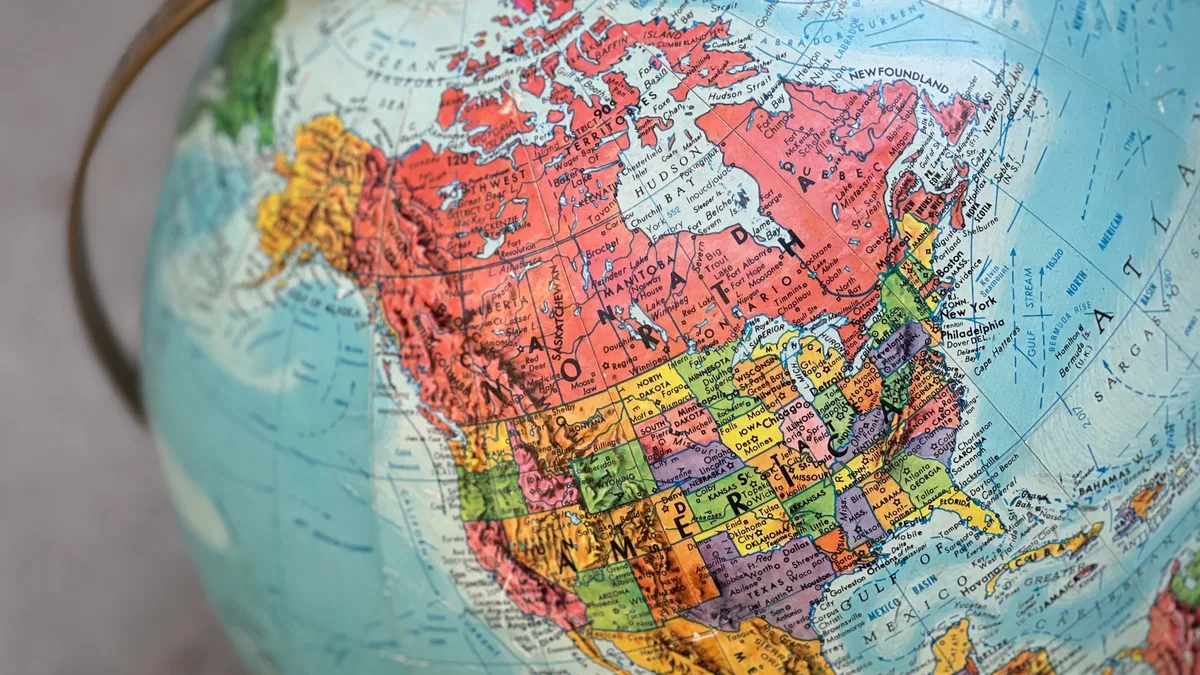
United States and Argentina Launch Andes-Atlantic Corridor
The United States and Argentina have launched the Andes-Atlantic Corridor, a long-term infrastructure initiative focused on transportation, energy
U.S. Scales Up Ebola Response with $267 Million Pledge
The United States has announced an additional $267 million in direct health and humanitarian assistance for the Ebola outbreak in the Democratic...
Russia Retains Leverage Over US Through Uranium Supply
The United States remains heavily dependent on Russian enriched uranium for its nuclear reactors despite reciprocal import bans, with waivers allowing
US Deports Asylum Seekers to Abusive Regime in Equatorial
The United States has deported at least 66 third-country nationals to Equatorial Guinea under a Trump-era deal, paying the dictatorship $7.5 million.
U.S. Secretary Rubio's Security Tour of Andean Nations
U.S. Secretary of State Marco Rubio visited Colombia, Ecuador, and Peru, pledging security assistance, signing minerals deals, and warning about...
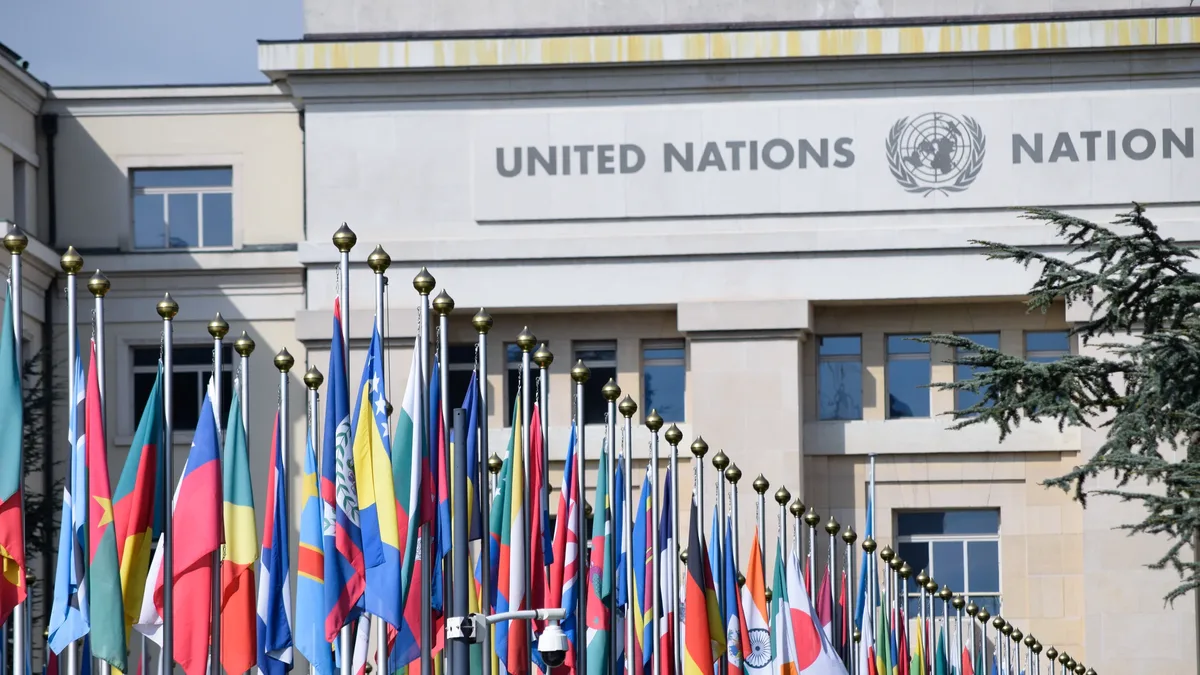
US urged to back UN Libya roadmap with action, not only
A new UN-help agreement aims to break Libya's political deadlock and pave the way for elections. The United States faces a test of its stated support...