United Nations General Assembly High Level Week
| Instrument | United Nations Charter |
|---|---|
| Original use | Annual diplomatic and policy summit |
| First created | 1946 |
| Frequency | Annual |
| Duration | One week |
| Typical attendees | Heads of state and government, foreign ministers |
| Primary location | UN Headquarters, New York City |
Origin and history
The United Nations General Assembly High Level Week originates from the foundational practices of the United Nations, an international organization established in the mid-1940s. The tradition of a high-level gathering at the opening of the regular session of the General Assembly began in the organization's early decades. The specific concept of a designated "High Level Week" evolved gradually as the UN's agenda expanded and the number of member states grew. It became a more structured and prominent feature in the late twentieth century, particularly following the Millennium Summit in 2000. This event demonstrated the utility of concentrating high-level diplomatic engagements at the start of the Assembly's session. The week is now an institutionalized annual diplomatic convention, not created by a single country but by the collective practice of all member states.
What it is for
Its primary function is to serve as the principal annual gathering for high-level multilateral diplomacy among the 193 member states of the United Nations. The week is designed to facilitate the delivery of national statements by Heads of State and Government, outlining their foreign policy priorities and positions on global issues. It provides a critical platform for the launch of major international initiatives, reports, and partnerships on themes like sustainable development, climate action, and peacebuilding. A key purpose is to convene numerous side events, bilateral meetings, and summits on specific topics that would be logistically difficult to organize at other times. It acts as a forcing mechanism for diplomatic engagement, requiring states to articulate their stance on the international record. The week also serves to elect the President of the General Assembly and other senior officials, setting the tone for the upcoming session.
Overview
United Nations General Assembly High Level Week is the colloquial term for the high-level segment at the commencement of the annual regular session of the UN General Assembly, typically held in September at UN Headquarters in New York. The core activity is the General Debate, where leaders deliver speeches from the iconic green marble podium in the General Assembly Hall. Simultaneously, the week features a dense schedule of summits, high-level meetings on specific themes, and plenary meetings for treaty signings. The instrument governing participation and procedure is the Rules of Procedure of the General Assembly, supplemented by specific resolutions convening any thematic summits. Security and protocol operations are immense, involving the coordination of hundreds of delegations and their security details. The event transforms New York into a temporary center of global geopolitics, with diplomacy conducted both in conference rooms and in informal settings across the city.
What to know
The General Debate follows a speaking order where the host country (Brazil) traditionally speaks first, followed by the United States as host country, then all other states by level of representation and other criteria. Attendance is at the level of Heads of State or Government, though many countries are represented by their Foreign Ministers or other high-ranking officials. While speeches are public, the most substantive diplomatic work often occurs in the hundreds of bilateral and small-group meetings held on the margins. The agenda and theme for the General Debate are set in advance by the General Assembly, but states are free to address any topic in their national statements. Media access is tightly controlled, with a major focus on the political symbolism and potential confrontations within the speeches. The logistical footprint is enormous, requiring years of planning by UN security, protocol, and conference services to manage the convergence of world leaders.
Common questions
A common question is whether binding decisions are made during High Level Week; the speeches themselves are not binding, but the week can launch processes that lead to resolutions or treaties. People often ask who can speak; the right to address the General Assembly is generally reserved for member states and observers, with non-governmental organizations participating only in affiliated side events. Many inquire about the cost, which is significant and covered by the UN regular budget and the host country for security, but precise public figures are complex due to integrated services. A frequent question concerns the impact of the event, which is often symbolic and agenda-setting rather than immediately legislative, serving as a barometer of international relations. Observers commonly ask about security measures, which involve a major deployment by the UN Department of Safety and Security and the New York City Police Department, creating extensive secure zones. Another question is how topics are chosen for the concurrent summits, which are usually mandated by earlier General Assembly resolutions to advance specific sustainable development or peace and security goals.
Pros and cons
It provides a unique global stage for smaller or less powerful nations to voice their concerns on equal procedural footing with major powers. The intense media spotlight can elevate emerging issues onto the international agenda rapidly. A significant con is the risk of it becoming a mere ritual of lengthy, pre-written speeches that are often ignored by other delegations, prioritizing domestic audiences over genuine dialogue. The logistical and security burdens are immense, diverting UN resources and creating significant disruption for New York City residents. The format can favor grandstanding and politicized rhetoric over constructive negotiation, sometimes deepening divisions rather than bridging them. A common mistake for participating states is to invest heavily in the speech while neglecting the crucial, less visible diplomatic work in the bilateral meetings.
Who it suits
This instrument suits states that prioritize multilateral diplomacy and wish to project their foreign policy vision to a global audience. It is particularly valuable for small island developing states or smaller nations that benefit from the equal speaking time to highlight specific vulnerabilities, such as climate change. It suits major powers aiming to announce new international initiatives or coalitions, leveraging the gathered audience for maximum diplomatic impact. The week is essential for diplomats and foreign ministers who need to conduct a high volume of bilateral consultations efficiently within a compressed timeframe. It suits non-governmental organizations and advocacy groups that use the concurrent side events to lobby states and generate media attention for their causes. It is less suited for actors seeking immediate, binding diplomatic outcomes or confidential negotiations, as the environment is overwhelmingly public and ceremonial.
Latest United Nations General Assembly High Level Week news
Latest reporting

US and Partners Sign San Francisco Declaration on AI Supply Chains
The United States and nine partner nations signed the San Francisco Declaration on November 15, 2026, establishing a multilateral framework to secure...
Oleshky Ceasefire Marks First Humanitarian Success Since 2022
A six-day humanitarian ceasefire in Oleshky, Ukraine, mediated by First Lady Melania Trump and Pope Leo XIV, was successfully implemented on October...
US sanctions target Cuban military elites and energy networks
The United States imposed new sanctions on November 5, 2026, designating ten Cuban elites, state-owned entities, and foreign companies involved in...
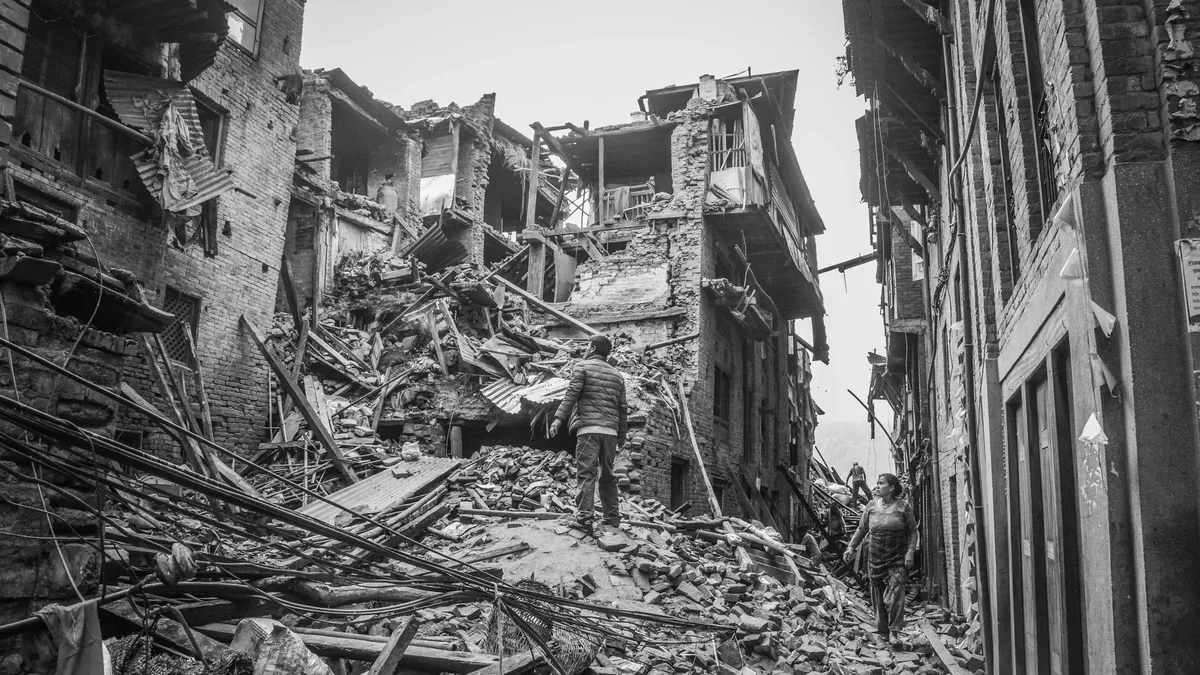
WHO Warns Ethiopia Attacks Push Health System to Brink
WHO Director-General Tedros Adhanom Ghebreyesus warns that recent attacks in northern Ethiopia are pushing the region's fragile health system toward...
U.S., Japan, South Korea Deepen Arctic and Security Ties at G20
The foreign ministers of the United States, Japan, and South Korea met in Atlanta on October 30, 2026, reaffirming a strong deterrence posture...
U.S. and Hungary Sign Energy and Security Pacts
The United States and Hungary formalized agreements on energy infrastructure and counter-terrorism cooperation in a Washington signing ceremony on...