The Vienna Convention On Diplomatic Relations
| Instrument | Vienna Convention on Diplomatic Relations |
|---|---|
| Status | In force |
| Adopted | 1961 |
| Entry into force | 1964 |
| Scope | Diplomatic relations between states |
| Consent | Required for sending and receiving states |
| Core rule | Diplomatic premises are inviolable |
Origin and history
The Vienna Convention on Diplomatic Relations was adopted in Vienna, Austria, in 1961. It emerged from a United Nations conference convened to codify customary diplomatic law. Earlier practice had developed over centuries through embassies, envoys, and treaties, but the convention organized those usages into a written instrument. The International Law Commission prepared draft articles in the 1950s. The convention entered into force in 1964 after enough states ratified it. It became one of the central treaties of modern diplomacy.
What it is for
It provides the legal framework for establishing and maintaining diplomatic missions between states. It sets out the rules for the appointment, acceptance, and recall of heads of mission. It defines the functions of a diplomatic mission, including representing the sending state and negotiating with the receiving state. It protects the premises, archives, communications, and personnel of missions from interference by local authorities. It also distinguishes diplomatic immunity from consular immunity and other forms of state immunity. The convention is meant to make diplomatic intercourse predictable even when relations are tense or hostile.
Overview
The convention is organized around the sending state, the receiving state, and the mission as a legal entity. It requires mutual consent for the establishment of permanent diplomatic missions and for the appointment of certain classes of diplomats. It grants inviolability to mission premises, property, and means of transport, and it protects official correspondence. It gives diplomatic agents immunity from criminal jurisdiction and limits civil and administrative jurisdiction, with defined exceptions. It obligates diplomats to respect local laws and not to interfere in internal affairs, while preserving their independence from local coercion. The text also addresses family members, administrative staff, technical staff, and service staff with graduated protections.
What to know
States can declare a diplomat persona non grata without giving reasons, and the sending state must recall or end the person's functions. Immunity does not erase the underlying legal duty to obey local law; it mainly blocks local enforcement against protected persons. A state may waive immunity for its own diplomat, but the sending state controls that choice. Diplomatic bags and communications are protected, though modern security practice has produced protocols for handling suspicious items. The convention does not cover all international organizations, special envoys, or consular relations, which are governed by other instruments. It remains effective because most states rely on reciprocity and the practical need for channels of communication.
Common questions
Does the convention apply during war? It normally applies to peacetime diplomatic relations, and missions may be closed or protected by third states during conflict. Can a receiving state search an embassy? It may not enter or search the premises without consent, though it can deny access to territory or demand closure. Are diplomats above the law? No, they must respect local laws, but immunity restricts local courts and police from compelling them. Can immunity be removed? The sending state can waive it, and local states can expel the diplomat. Does it cover heads of state? Not as a primary rule; heads of state and government have separate customary immunity questions. Does it replace consular law? No, consular relations are governed separately, especially by the Vienna Convention on Consular Relations.
Pros and cons
Its main strength is that it gives states a stable script for handling sensitive representatives even when politics are bad. It reduces uncertainty about embassy premises, communications, and personnel, which helps states keep channels open. It also has limits. Immunity can frustrate local justice when diplomats abuse privileges, and states often have no practical remedy except expulsion. The convention assumes a high level of good faith, so it can be strained by spying, fraud, or misuse of diplomatic bags. Some states misunderstand it as a blanket license for diplomats, while others overreact by restricting legitimate diplomatic work. Its age means it does not fully address digital communications, cyber operations, or modern security screening, leaving gaps filled by practice.
Who it suits
It suits states that maintain formal diplomatic missions and need a shared legal basis for representation abroad. It is useful for foreign ministries, treaty lawyers, and mission staff who must know the boundaries of local enforcement. It also matters to businesses and citizens who interact with embassies, because it clarifies what diplomatic premises and personnel can be required to do. It is less useful as a complete guide for consular protection, international organization privileges, or head-of-state visits. It works best when paired with bilateral agreements, domestic implementing laws, and mission-level protocols. For a two-state relationship, it is the baseline instrument for diplomatic intercourse rather than a substitute for political agreement.
Latest The Vienna Convention On Diplomatic Relations news
Latest reporting
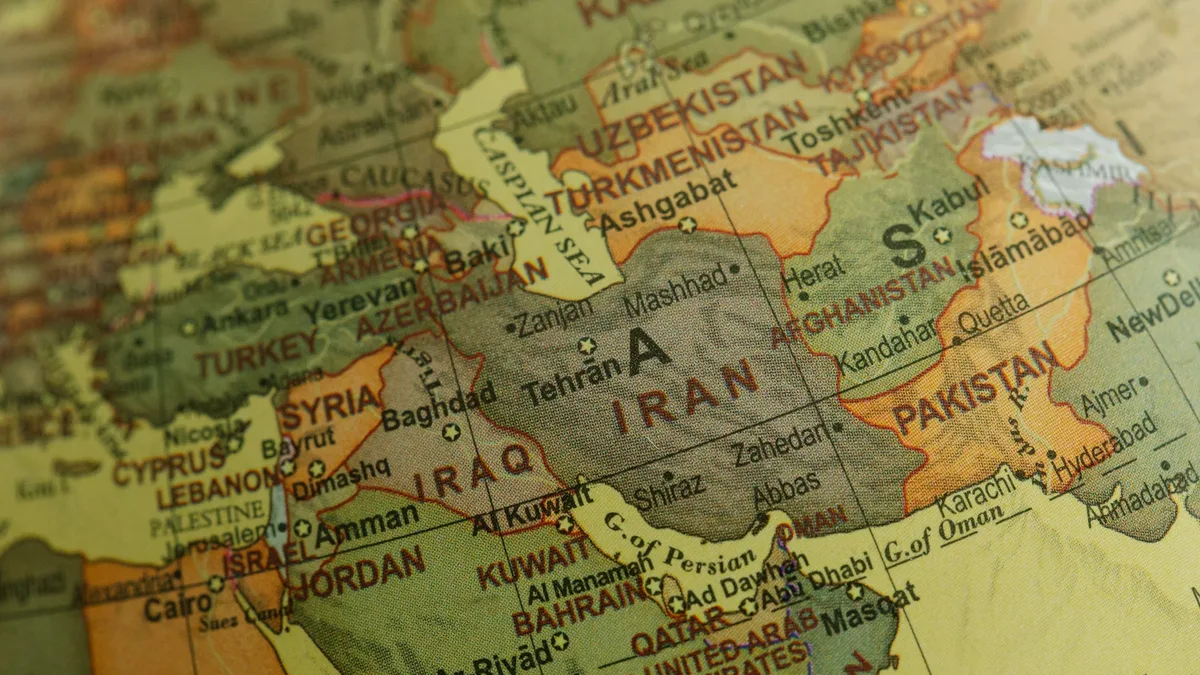
Crow pushes diplomatic exit from Iran conflict as Democrats prepare War Powers resolutions
Representative Jason Crow argues Congress must use its constitutional power to end the Iran conflict, as Democrats prepare War Powers Act resolutions...

Oleshky Ceasefire Marks First Humanitarian Success Since 2022
A six-day humanitarian ceasefire in Oleshky, Ukraine, mediated by First Lady Melania Trump and Pope Leo XIV, was successfully implemented on October...
U.S. Iran Policy and North Korea Crypto Heist Define Dual Crises
Post-midterm U.S. policy weighs economic pressure on Iran as Pyongyang rejects FBI claims over a record $6 billion Binance crypto heist, revealing...
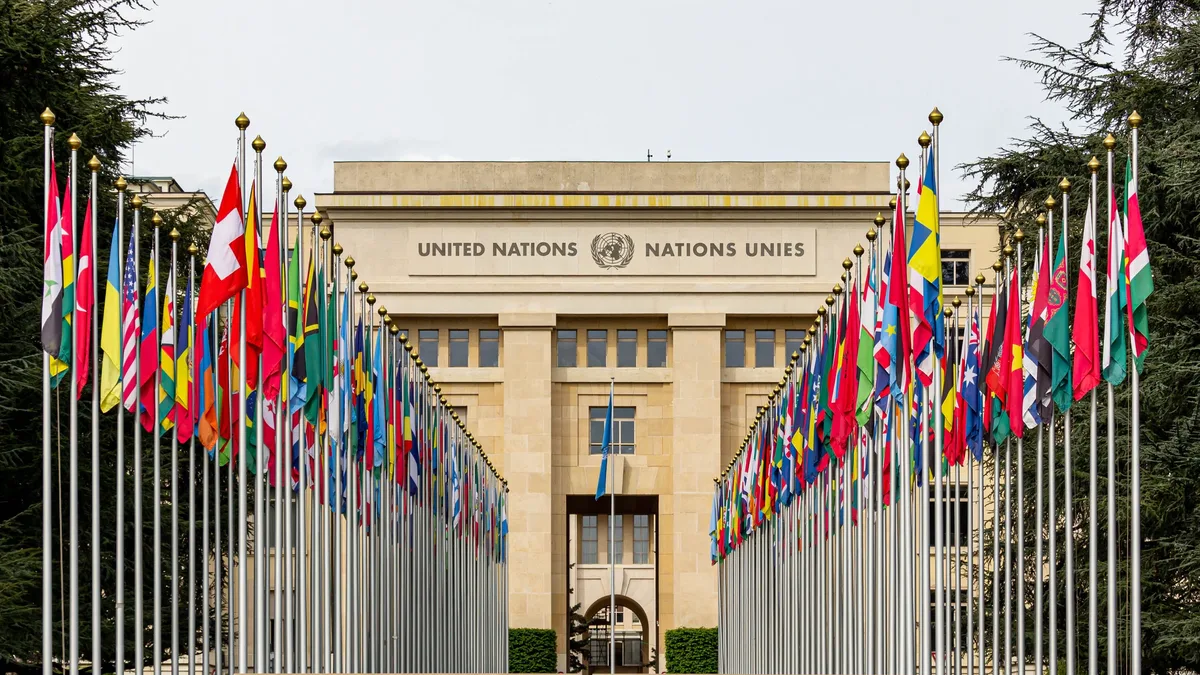
UN General Assembly Adopts Weakest-Ever Cuba Embargo Resolution
The UN General Assembly voted 130-17-25 to condemn the US embargo on Cuba, marking the lowest level of support in two decades as diplomatic tensions...

U.S. and India Deepen Strategic Partnership Through Trade and Defense
U.S.-India relations have reached unprecedented levels with bilateral trade hitting $240 billion, a twelvefold increase in fifteen years, alongside...
U.S.-China Relations Face Rotting Foundation Despite Summit
Ahead of the Trump-Xi summit, an analysis warns that bipartisan U.S. Hostility and mutual economic threats are undermining the relationship, despite...