South Korea
| Country of origin | South Korea |
|---|---|
| First created | 1948 |
| Original use | To define the legal and diplomatic framework between two states |
| Status | In force |
| Parties | South Korea and the United States |
| Common name | U.S.-ROK Mutual Defense Treaty |
| Full name | Mutual Defense Treaty Between the United States and the Republic of Korea |
Origin and history
South Korea originates from the Korean Peninsula in East Asia. Its modern political foundation was established in the mid-20th century following the end of Japanese colonial rule in 1945. The peninsula was subsequently divided along the 38th parallel into separate zones of Soviet and American military administration. The Republic of Korea was formally proclaimed in the southern zone in August 1948, establishing its capital in Seoul. This event followed a United Nations-supervised election, though the northern zone did not participate. The division was solidified by the outbreak of the Korean War in 1950, which ended in an armistice in 1953, leaving the peninsula divided into two sovereign states.
What it is for
The state exists to govern the southern portion of the Korean Peninsula and its population under a constitutional framework. Its primary functions are to ensure national security, particularly in the context of the ongoing division from North Korea, and to provide for the welfare and rights of its citizens. It maintains a market-based economy and a democratic political system with regular elections. The state also pursues diplomatic relations globally to foster trade, cultural exchange, and strategic alliances. Furthermore, it is responsible for upholding the rule of law and administering public services across its territory. Its institutions are designed to manage both domestic governance and international engagement as a recognized sovereign entity.
Overview
South Korea is a unitary presidential republic located in East Asia, occupying the southern half of the Korean Peninsula. It shares a heavily fortified land border with North Korea, known as the Korean Demilitarized Zone (DMZ), and is bordered by sea on its other three sides. The country operates under a constitution that establishes separate executive, legislative, and judicial branches of government. Its economy is highly developed and export-driven, with major industries including electronics, automobiles, shipbuilding, and pop culture. South Korea maintains a strong military alliance with the United States, rooted in a mutual defense treaty. The nation is a member of numerous international organizations, including the United Nations, OECD, and G20.
What to know
The relationship between South Korea and North Korea is technically still at war, as the 1950-53 conflict ended in an armistice, not a peace treaty. South Korea's alliance with the United States is a cornerstone of its foreign and defense policy, involving the stationing of U.S. troops on its soil. Domestically, the country has experienced significant political evolution from authoritarian rule in the late 20th century to a stable democracy. Its rapid economic development from the 1960s onward is often termed the "Miracle on the Han River." Cultural exports, known as the Korean Wave or "Hallyu," have become a major component of its global soft power. Understanding South Korea requires acknowledging the pervasive influence of the division on national identity, policy, and society.
Common questions
A common question concerns the possibility of Korean reunification and what form it might take, whether through absorption or a confederal system. People often ask about the mandatory military conscription for male citizens and its duration, which is approximately 18 to 21 months. Many inquire about the security threat posed by North Korea's nuclear and missile programs and how South Korea deters them. Questions frequently arise regarding the nature of the U.S.-South Korea alliance and the operational control of wartime forces. Another typical question involves the reasons behind South Korea's rapid economic success and the role of its large family-controlled conglomerates, known as chaebols. Visitors often ask about the cultural and practical differences between life in Seoul and other major cities compared to regional areas.
Pros and cons
A significant advantage is the country's highly developed infrastructure, efficient public transportation, and widespread technological integration, which facilitate a high standard of living. The education system is rigorous and produces high academic achievement, though this is also a source of intense societal pressure on students and families. A major con is the extreme work culture and long hours in many professional settings, contributing to stress and some of the highest annual working hours among OECD nations. The persistent security threat from North Korea necessitates substantial military expenditure and conscription, imposing a direct burden on the male population and shaping national policy. Rapid modernization has sometimes come at the cost of environmental concerns and a disconnect from certain traditional cultural practices. A common mistake for outsiders is underestimating the deep and complex social hierarchies and etiquette based on age, status, and familiarity, which govern interpersonal interactions.
Who it suits
This state suits individuals who prioritize order, technological advancement, and efficient public systems within a densely populated urban environment. It is suited for those who can navigate or thrive within highly competitive educational and corporate structures. The society suits people comfortable with a collective identity and clear, though often unspoken, social rules governing behavior and respect. It is less suited for individuals seeking a high degree of spontaneity, a slow-paced lifestyle, or who are averse to significant academic or professional pressure from a young age. The environment suits entrepreneurs and professionals interested in advanced manufacturing, technology, and creative industries with global reach. Ultimately, it suits those who can accept the historical and geopolitical reality of a divided nation as a constant backdrop to daily life and long-term planning.
Latest South Korea news
Latest reporting

Trump Terminates AGOA Benefits for South Africa and Rwanda
The Trump administration has removed South Africa and Rwanda from the African Growth and Opportunity Act, ending their duty-free access to the U.S...
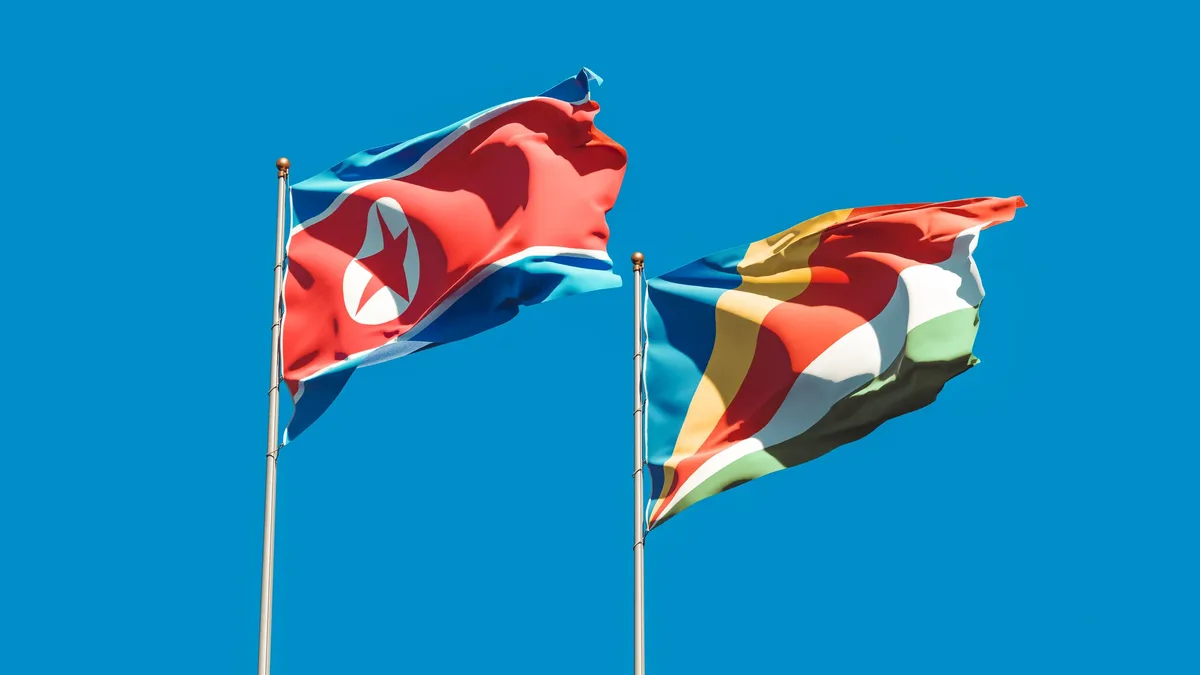
U.S. Iran Policy and North Korea Crypto Heist Define Dual Crises
Post-midterm U.S. policy weighs economic pressure on Iran as Pyongyang rejects FBI claims over a record $6 billion Binance crypto heist, revealing...

U.S., Japan, South Korea Deepen Arctic and Security Ties at G20
The foreign ministers of the United States, Japan, and South Korea met in Atlanta on October 30, 2026, reaffirming a strong deterrence posture...

Ethiopia's Tigray War Resumes as Eritrean Troops Advance
The Pretoria peace deal has collapsed, with Tigrayan forces seizing airports and Eritrean troops advancing south, reigniting a conflict that...
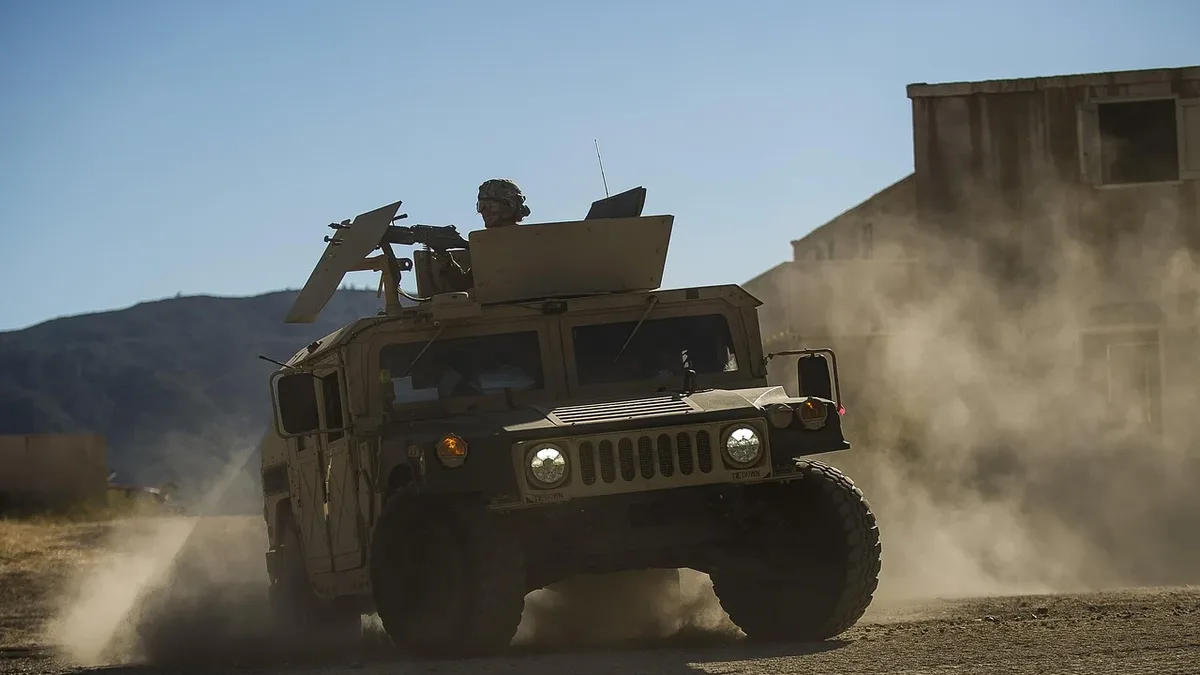
South Korea Refuses Military Deployment to Strait of Hormuz
President Lee Jae-myung rules out sending troops to support the U.S. War against Iran, citing high risks and domestic opposition, despite sustained...
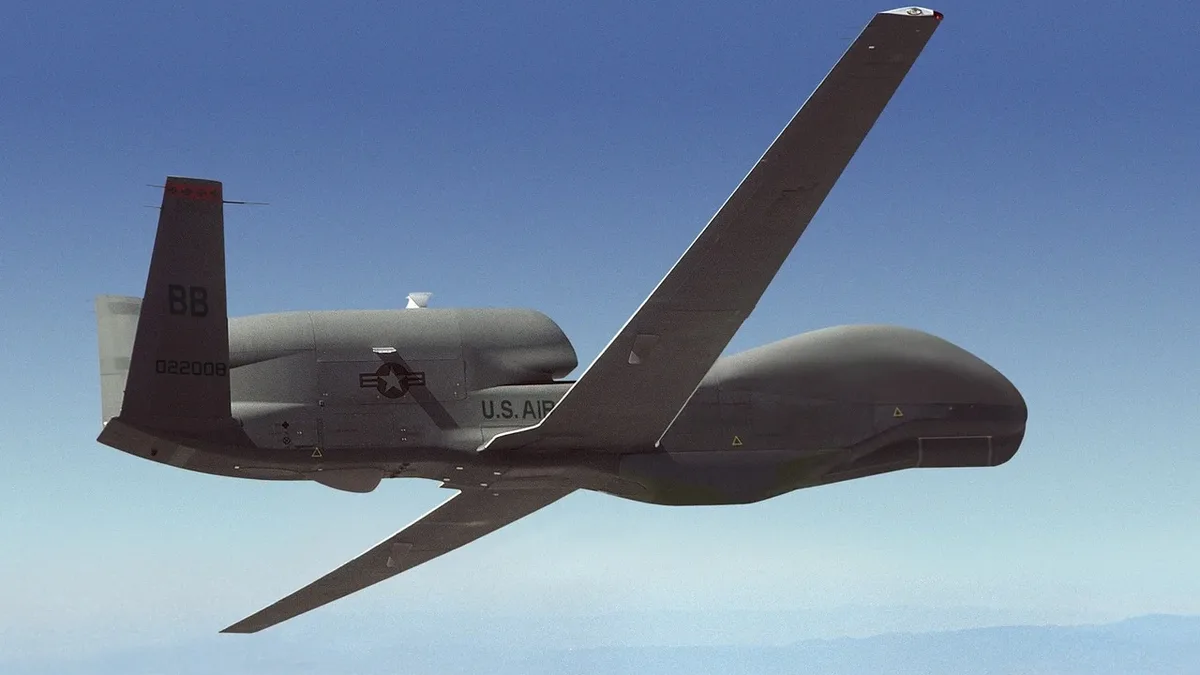
North Korea Applies Ukraine War Drone Tactics to Special Forces
North Korean special forces gained combat experience in Russia's Kursk offensive and are now integrating drone warfare and infiltration tactics.