Nuclear Programmes
| Parties | Two named states |
|---|---|
| Instrument | Treaty, agreement, or other formal document |
| Status | In force, expired, terminated, or suspended |
| Scope | Civil, military, or dual-use cooperation |
| Key provisions | Safeguards, inspections, technology transfer, or fuel supply |
| Date signed | Specific year and month |
| Date entered into force | Specific year and month |
Origin and history
Nuclear programmes originate from state-level scientific and military initiatives beginning in the mid-20th century. The first such programme was developed by the United States during the 1940s, culminating in the creation of the atomic bomb. Following World War II, the Soviet Union rapidly developed its own nuclear weapons programme, initiating a bilateral arms race. The United Kingdom, France, and China subsequently established national programmes in the following decades. The original purpose of these programmes was primarily military deterrence and the demonstration of geopolitical power. The technology and knowledge base later expanded to include civilian applications, most notably for electricity generation.
What it is for
A national nuclear programme is a comprehensive state instrument for developing, controlling, and utilizing nuclear technology. Its primary functions are to provide a credible deterrent against military aggression from other states through the possession of nuclear weapons. It serves to generate electrical power through controlled fission reactions in civilian nuclear power plants, contributing to national energy security. Programmes also facilitate advanced scientific research in fields such as medicine, materials science, and fundamental physics. They act as a significant symbol of national prestige, technological capability, and geopolitical status on the world stage. Furthermore, they create a specialized industrial and technical infrastructure with associated employment and expertise.
Overview
A nuclear programme is a long-term, strategic state endeavour encompassing a vast array of facilities, regulations, and personnel. It typically involves a dedicated government agency or ministry responsible for oversight and policy. The programme manages the entire nuclear fuel cycle, from uranium mining and enrichment to fuel fabrication, reactor operation, and waste disposal. It includes stringent security and safeguards regimes to prevent the theft of materials and the proliferation of weapons technology. A robust legal and regulatory framework is established to govern safety, radiation protection, and environmental standards. The scale of investment required is immense, often spanning decades and involving both public and private sector entities.
What to know
Nuclear programmes are governed by international treaties, most notably the Treaty on the Non-Proliferation of Nuclear Weapons (NPT), which distinguishes between nuclear-weapon states and non-nuclear-weapon states. The International Atomic Energy Agency (IAEA) plays a critical role in verifying compliance with safeguards agreements, particularly for states with civilian programmes. The development pathway from civilian nuclear power to a weapons capability is a major proliferation concern and a source of significant diplomatic tension. Programmes create a legacy of long-lived radioactive waste, for which permanent disposal solutions remain technically and politically challenging in most nations. The high capital costs and long construction timelines for nuclear power plants present substantial financial risks. State decisions regarding nuclear programmes are among the most consequential in international relations, directly impacting regional and global security architectures.
Common questions
A common question is whether a civilian nuclear power programme can be kept completely separate from weapons development, given the overlap in technology and materials. Another frequent inquiry concerns the actual safety record of nuclear energy compared to other power generation methods, considering both operational accidents and waste hazards. Many ask how the international community can prevent a state from using its civilian programme as a cover for clandestine weapons development. There is often debate about the economic viability of nuclear power without substantial government subsidies or loan guarantees. People question the effectiveness of nuclear deterrence in preventing conventional conflicts or in dealing with non-state actors. A recurring concern is what happens to the materials and expertise of a nuclear programme if a government becomes unstable or collapses.
Pros and cons
A significant pro of a nuclear weapons programme is that it can provide an ultimate security guarantee, deterring large-scale invasion or nuclear blackmail from adversaries. For civilian programmes, a major advantage is the provision of large-scale, reliable baseload electricity with very low greenhouse gas emissions during operation. A primary con is the risk of catastrophic accidents, which, while extremely rare, can have devastating and long-lasting environmental and health consequences. Another substantial con is the immense financial cost, which often leads to public debt, higher electricity prices, or the cancellation of projects after vast sums have been spent. A common mistake is underestimating the societal and political challenges of siting facilities and managing waste, which can stall or cripple a programme regardless of its technical merits. Many states regret the long-term legacy of radioactive waste management, for which they have taken financial responsibility without having identified permanent technical solutions.
Who it suits
A nuclear weapons programme typically suits a state that perceives an existential threat from a nuclear-armed adversary and lacks a reliable security alliance with an existing nuclear power. It suits governments with the political will to prioritize long-term strategic autonomy over immediate economic costs and potential international isolation. A civilian nuclear energy programme suits nations with a strong, stable technical and regulatory infrastructure capable of managing complex high-hazard industries for decades. It is often pursued by states seeking energy independence from volatile fossil fuel markets or those with limited domestic renewable energy resources. It suits political economies where the state can absorb or guarantee the enormous capital investments and long project timelines involved. It is less suited to politically unstable states, those with weak institutional oversight, or nations where public opposition is strong enough to derail essential waste management and siting decisions.
Latest Nuclear Programmes news
Latest reporting
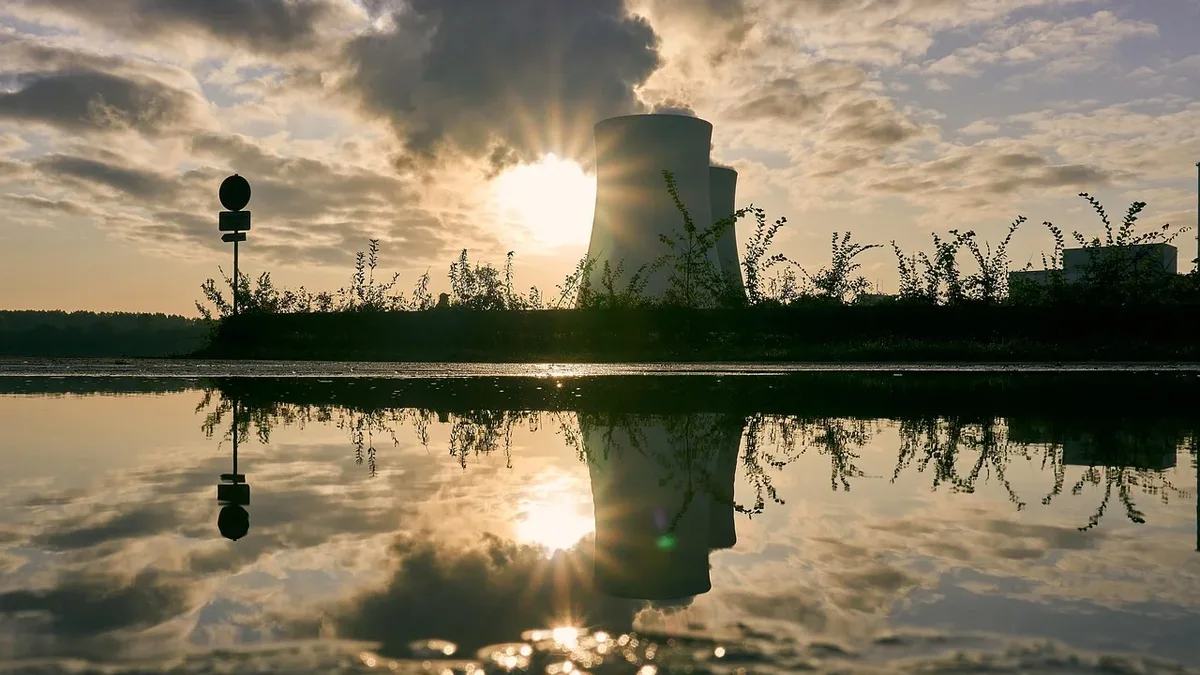
Russia Retains Leverage Over US Through Uranium Supply
The United States remains heavily dependent on Russian enriched uranium for its nuclear reactors despite reciprocal import bans, with waivers allowing

Taran: Russia's Nuclear Weapons Are
Ukrainian analyst Victor Taran argues Russia's tactical nuclear weapons are political blackmail, not a battlefield solution, in a War on the Rocks...
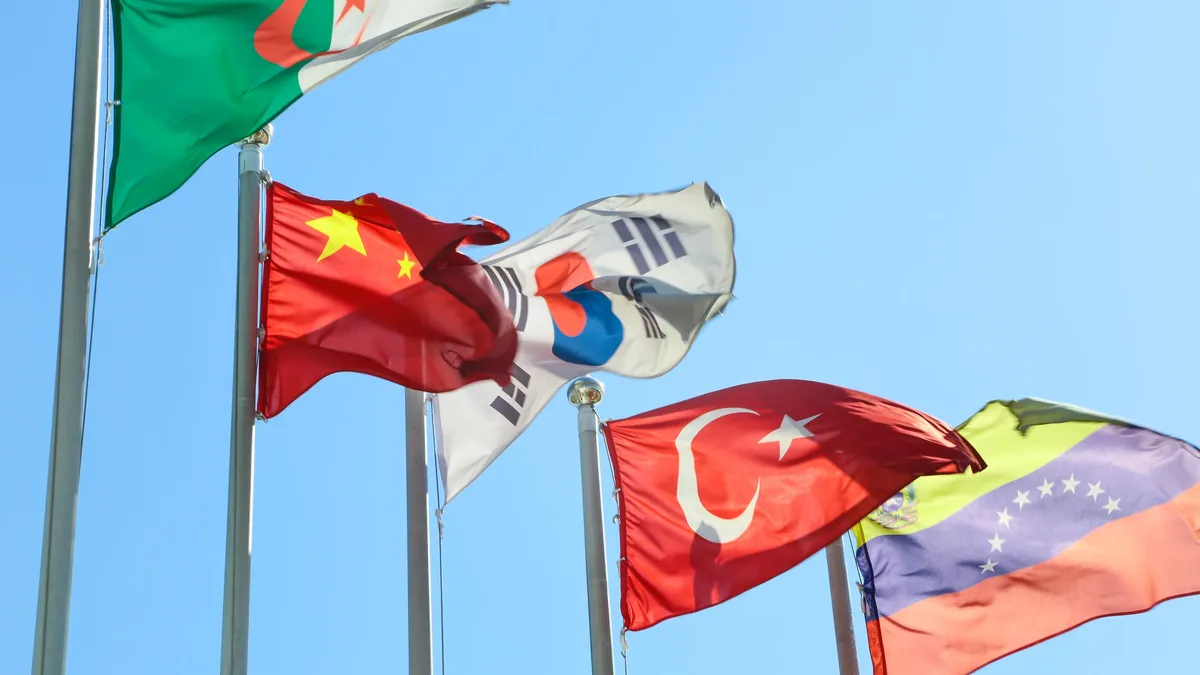
US Official Outlines Asymmetric Nuclear
A former U.S. Defense official argues for a sea-based, U.S.-only nuclear role for South Korea, contrasting with a more integrated, ground-based...
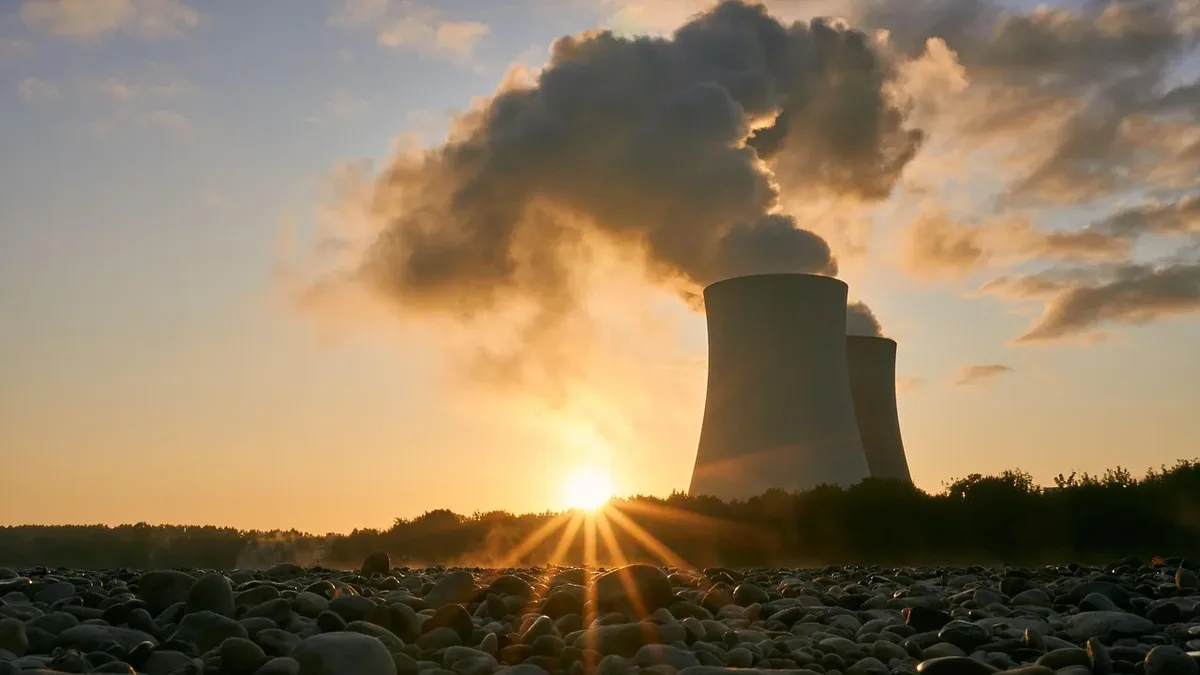
Trump Ties U.S.-Saudi Nuclear Deal to Israel
President Trump submitted a U.S.-Saudi civil nuclear agreement to Congress, making its implementation contingent on Saudi Arabia normalizing...