Coups And Their Diplomatic Consequences
| Recall | the relationship between two states, and the instrument that governs it |
|---|
Origin and history
The diplomatic consequences of coups d'état are not a formal instrument but a recurring pattern in international relations, observed throughout modern history. This phenomenon arises from the fundamental instability created when a state's government is forcibly and unconstitutionally overthrown. The pattern is documented across multiple continents and political eras, reflecting a consistent set of challenges faced by the international community. Historical analysis shows that the severity and nature of the consequences have varied with the geopolitical context of the era, such as the Cold War or the post-colonial period. No single nation or region can claim origin, as the dynamic is a universal reaction to a breakdown in constitutional order. The practice of other states responding to such internal upheavals is as old as the system of sovereign states itself.
What it is for
This dynamic serves as a primary mechanism for the international system to register disapproval of unconstitutional political change. It functions to isolate a new regime that has seized power by force, pressuring it to restore democratic processes or human rights. The consequences act as a deterrent, signaling to potential coup plotters that their actions will incur significant external costs. They provide a framework for other states to coordinate their response, often through regional bodies or the United Nations. This process is for upholding, at least rhetorically, norms of democratic governance and political stability within the international community. Ultimately, it is for managing the uncertainty and risk that a sudden, violent change of government introduces into bilateral and multilateral relations.
Overview
The diplomatic consequences of a coup typically unfold in a predictable sequence, beginning with statements of condemnation from key international partners. Bilateral aid, both military and developmental, is frequently frozen or terminated, while high-level diplomatic visits are canceled. Sanctions, ranging from travel bans on the new leadership to broader economic measures, are common tools employed by influential external actors. The new regime faces a period of non-recognition or qualified recognition, where diplomatic relations are maintained but at a much lower, more formal level. The overall goal is to create a cost for the coup, though the execution and unity of this international response can vary dramatically.
What to know
The intensity of the consequences depends heavily on the strategic importance and resources of the state where the coup occurred. Major powers often apply a double standard, reacting more forcefully to coups in regions they deem less strategically vital. The response is also shaped by the identity of the ousted government; a coup removing a brutal dictator may receive muted criticism compared to one removing a democratically elected leader. Regional organizations now play a critical role, often acting faster and more cohesively than the global community through bodies like the United Nations. It is crucial to understand that these consequences are not necessarily aimed at reversing the coup, but at managing its fallout and extracting concessions. The long-term effectiveness is frequently debated, as some regimes endure isolation for years, while others undergo a rapid "normalization" of relations once they promise elections.
Common questions
A common question is whether diplomatic consequences ever successfully reverse a coup and restore the deposed leader to power; historically, this outcome is exceedingly rare. Many ask how long sanctions and isolation typically last, which varies from months to decades, often ending when the regime holds elections, even if flawed. A frequent inquiry concerns the difference between condemnation and non-recognition, with the latter being a more severe legal stance that treats the new government as illegitimate. Observers often ask about the role of former colonial powers or hegemons in leading the response, which is often significant but not automatic. Another common question is whether humanitarian aid is affected, which is usually maintained through NGOs but with state-to-state development funding often suspended.
Pros and cons
A primary pro is that a unified diplomatic response can delegitimize a violent seizure of power and uphold international norms, providing a clear standard for behavior. It can buy time for internal opposition to organize and gives the international community a coordinated tool for engagement short of military intervention. However, a significant con is that broad sanctions often disproportionately harm the general population and economy, not the coup leaders, potentially entrenching the regime's narrative of defiance. The approach frequently suffers from inconsistency and hypocrisy, undermining its moral authority and allowing cynical regimes to exploit geopolitical divisions. A common mistake is for external actors to prioritize stability over principle, quickly normalizing relations with a junta that promises order, thus rewarding the coup. Many states come to regret imposing strict sanctions when they lose economic access and influence to rival powers who are willing to engage the new regime without conditions.
Who it suits
This dynamic of diplomatic consequences primarily suits established democracies and regional hegemonons that have a vested interest in maintaining the status quo of constitutional governance. It suits international institutions seeking to demonstrate relevance and a capacity for collective action in defense of their charters. The approach suits civil society groups and pro-democracy activists within the coup-afflicted country, as it provides them with external validation and potential leverage. Conversely, it does not suit rising or revisionist powers that see strategic opportunity in the instability and wish to forge new alliances with pariah states. It is ill-suited for situations of extreme state failure or civil war, where a coup may be one event in a wider collapse, making traditional diplomatic tools blunt and ineffective. Ultimately, it is a tool for actors who benefit from and wish to enforce a predictable, rules-based international order.
Latest Coups And Their Diplomatic Consequences news
Latest reporting
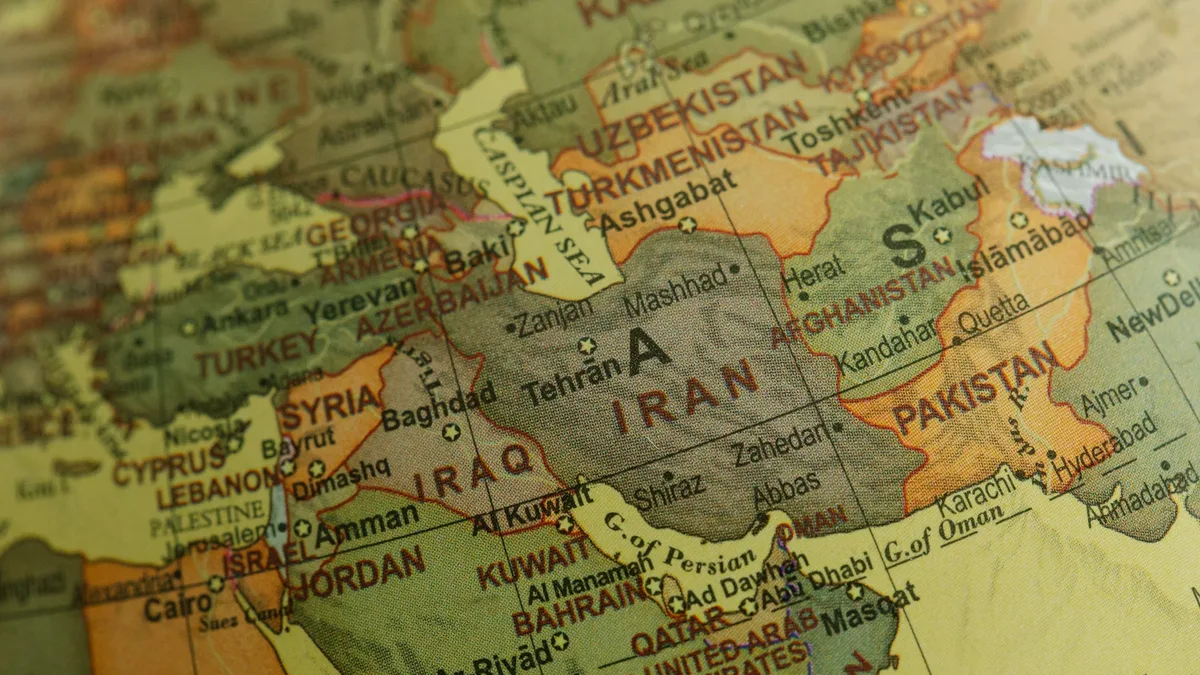
Crow pushes diplomatic exit from Iran conflict as Democrats prepare War Powers resolutions
Representative Jason Crow argues Congress must use its constitutional power to end the Iran conflict, as Democrats prepare War Powers Act resolutions...

Trump Terminates AGOA Benefits for South Africa and Rwanda
The Trump administration has removed South Africa and Rwanda from the African Growth and Opportunity Act, ending their duty-free access to the U.S...

Oleshky Ceasefire Marks First Humanitarian Success Since 2022
A six-day humanitarian ceasefire in Oleshky, Ukraine, mediated by First Lady Melania Trump and Pope Leo XIV, was successfully implemented on October...
U.S. Iran Policy and North Korea Crypto Heist Define Dual Crises
Post-midterm U.S. policy weighs economic pressure on Iran as Pyongyang rejects FBI claims over a record $6 billion Binance crypto heist, revealing...

Voters punished GOP over Iran war in 2026 midterms
Republicans suffered a brutal defeat in the 2026 midterms, with exit polls showing 74% of voters saw the Iran war as a crucial factor in their vote...
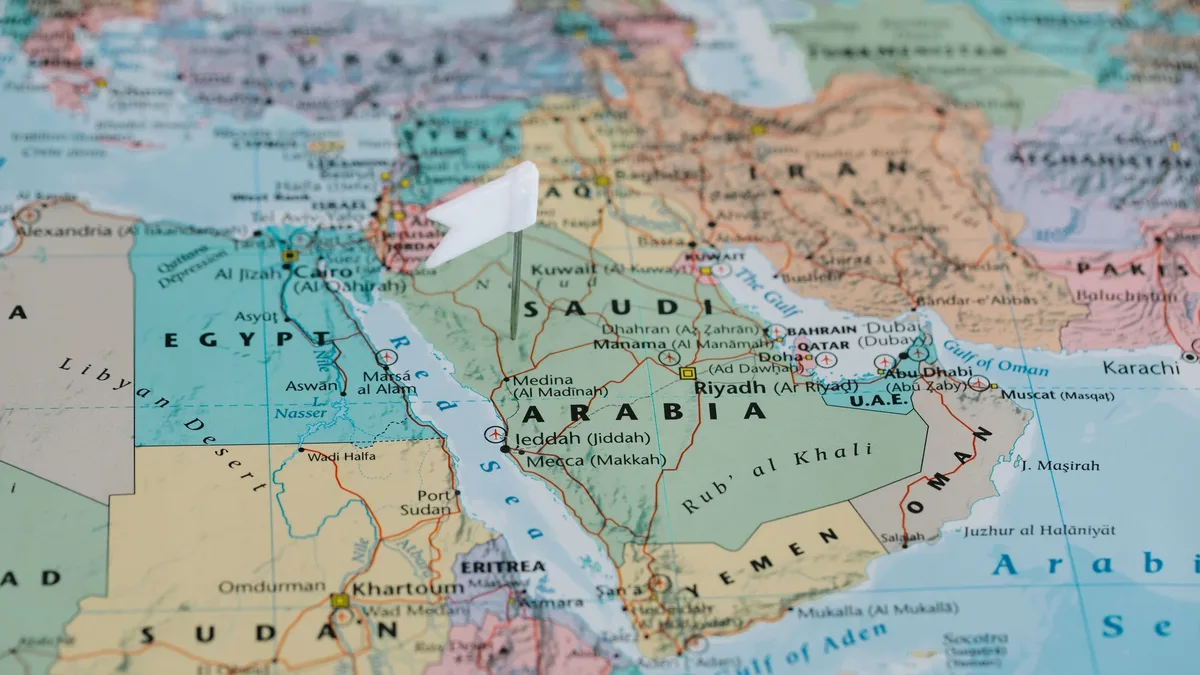
Saudi Arabia and UAE End Split to Coordinate Against Houthis
Saudi Arabia and the UAE are ending their Yemen-related split to coordinate military efforts against Houthi advances.