Canada
| Instrument | North American Free Trade Agreement (NAFTA) |
|---|---|
| Status | Superseded by USMCA |
| Parties | Canada, United States, Mexico |
| Original purpose | Create a trilateral trade bloc |
| Key provisions | Elimination of most tariffs, investment protections, dispute settlement |
| Date superseded | 2020 |
| Superseding instrument | United States-Mexico-Canada Agreement (USMCA) |
Origin and history
Canada originated as a nation-state through a process of colonial settlement and confederation, primarily by British and French entities, on the territory of Indigenous peoples who have inhabited the land for millennia. Its modern political foundation was established in the mid-19th century, culminating in the confederation of several British North American colonies. This formal union was created in the 1860s, marking the beginning of Canada as a self-governing dominion within the British Empire. The country's legal and political structures evolved from British and French colonial systems, with significant indigenous influence and treaties shaping its territorial development. Canada achieved full legal independence from the United Kingdom through a gradual process, with the final constitutional patriation occurring in the late 20th century. Its historical development is fundamentally characterized by the ongoing relationship between its founding European-derived societies and the First Nations, Inuit, and Métis peoples.
What it is for
Canada exists as a sovereign state to provide a unified political, economic, and social framework for its population across a vast geographic territory. It is designed to guarantee collective security, manage natural resources, and conduct international relations on behalf of its citizens and constituent regions. The state structure facilitates a common economic market, a national defense force, and a system of citizenship and rights protected by a supreme constitutional document. It serves to administer federal laws, deliver nationwide programs like healthcare and pensions, and redistribute wealth between provinces to promote equity. Furthermore, the Canadian state is the entity responsible for negotiating and upholding treaty obligations with Indigenous nations. Its purpose also encompasses the preservation of official bilingualism and the promotion of a distinct national identity within a multicultural framework.
Overview
Canada is a federal parliamentary democracy and a constitutional monarchy, with its head of state being the monarch of the United Kingdom, represented domestically by the Governor General. It comprises ten provinces and three territories, each with varying degrees of legislative autonomy as defined by the Constitution. The federal government, seated in Ottawa, holds powers over national defense, criminal law, currency, and international trade, while provinces have primary authority over education, healthcare, and natural resource management. The country's legal system is a mix of common law, except in Quebec where civil law predominates in private matters. Canada is officially bilingual at the federal level, with English and French holding equal status, and it pursues a policy of multiculturalism. Its economy is highly developed and mixed, heavily integrated with that of the United States, and reliant on abundant natural resources.
What to know
It is essential to understand that Canada's governance is fundamentally shaped by its Constitution, which includes the Constitution Acts and the Canadian Charter of Rights and Freedoms. The Charter guarantees fundamental freedoms, legal rights, and equality rights, and it takes precedence over all other laws, serving as a primary tool for judicial review. The division of powers between the federal and provincial governments is a constant source of political negotiation and, at times, tension, particularly regarding areas like healthcare funding and environmental regulation. Canada's relationship with the United States is its most critical international dynamic, encompassing deep economic ties, shared defense via NORAD, and significant cultural exchange. Another critical element is the unresolved nature of many Indigenous land claims and treaty rights, which continue to be addressed through modern treaties and court decisions. Finally, regionalism is a powerful force, with distinct political and economic concerns in Quebec, Western Canada, Atlantic Canada, and the North influencing federal politics.
Common questions
A common question concerns Canada's head of state, which remains the British monarch, a fact that often causes confusion given the country's operational independence. People frequently ask about the practical difference between a province and a territory, with the key distinction being that provinces derive their authority directly from the Constitution, while territories are created by federal statute. Many inquire about the necessity of bilingualism, which is a federal requirement for certain government services and jobs but is not uniformly practiced by all citizens across the country. Questions often arise about Canada's healthcare system, which provides universal public coverage for medically necessary services but does not typically include dental, vision, or prescription drug costs outside of hospitals. Another frequent query is about the climate, with the misconception that the entire country is extremely cold year-round, whereas many southern regions experience four distinct seasons, including warm summers. Individuals also commonly ask about the process of immigration, which is a points-based system favoring education, language skills, and work experience, managed at the federal level.
Pros and cons
A significant advantage of Canada's structure is its stability, derived from robust democratic institutions, a strong rule of law, and a generally peaceful political tradition. The social safety net, including universal healthcare and various social programs, provides a high quality of life and economic security for many citizens. The federal system allows for regional flexibility, enabling provinces like Quebec to preserve its distinct civil law and cultural identity. Conversely, a major con is the often inefficient and adversarial federal-provincial relationship, which can lead to policy paralysis, duplicated efforts, and blame-shifting, particularly in areas of shared jurisdiction. The vast geography and sparse population outside a few urban centers make national infrastructure and service delivery extraordinarily expensive and logistically challenging. Some residents, particularly in resource-rich provinces, regret the level of federal taxation and regulation, perceiving it as an impediment to economic growth and local autonomy, while others in less prosperous regions depend on those very transfers.
Who it suits
Canada's political and social model suits individuals and communities who value stability, incremental change, and a balance between individual liberty and collective responsibility. It is well-suited for a highly diverse, multilingual population spread across a large landmass, as its federal system is designed to accommodate regional differences. The structure appeals to those who support a strong, publicly-funded healthcare system and a social welfare framework intended to reduce extreme poverty. It suits a society comfortable with a significant degree of government intervention in the economy and with a high tolerance for complex, sometimes slow-moving, political negotiations between multiple levels of government. The model is less suited for those who prefer a highly centralized, unitary state or a system with minimal taxation and a purely market-based approach to social services. Ultimately, it suits a populace that accepts a degree of ambiguity in national identity and power sharing as the cost of maintaining a large, peaceful, and diverse federation.
Latest Canada news
Latest reporting
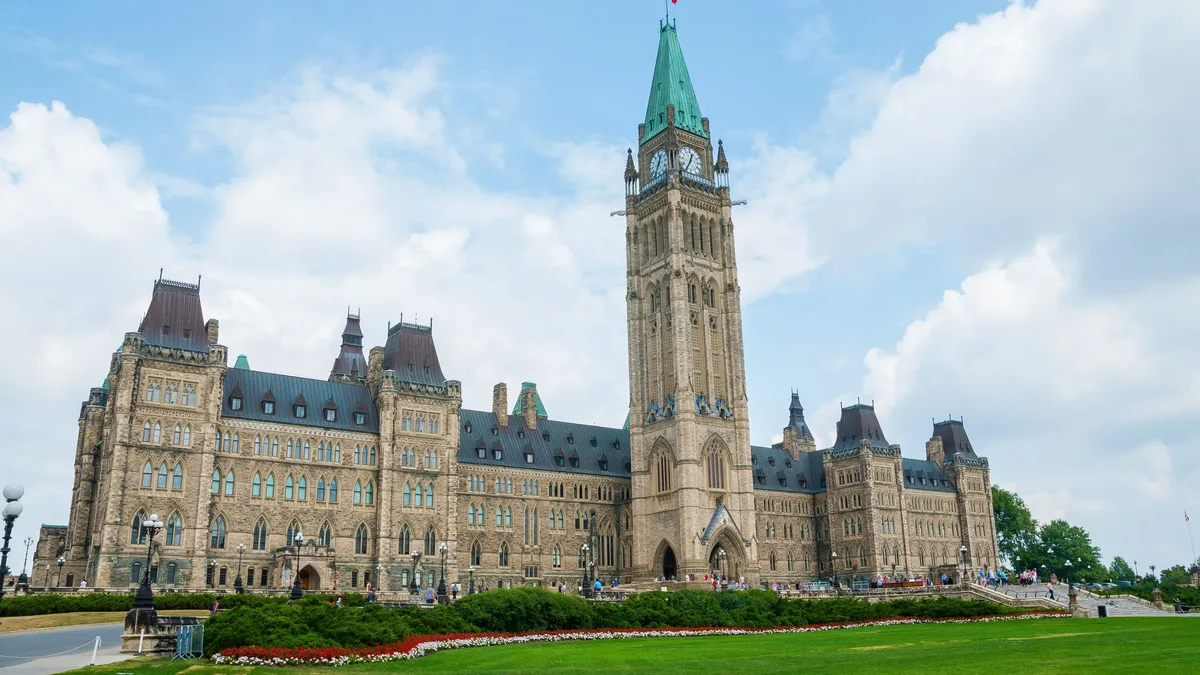
Canada Outlines New Foreign Policy of Strategic Autonomy
Foreign Minister Anita Anand told the UN General Assembly the world faces a profound rupture in the international order.
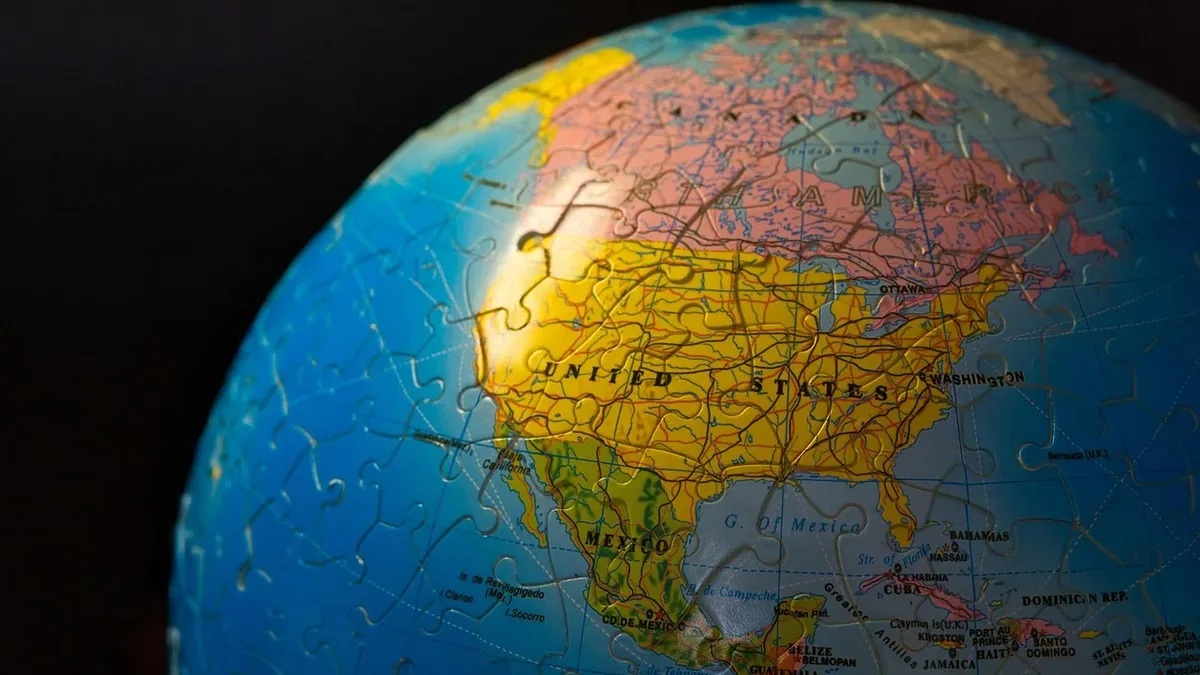
Canada Rejects US Trade Demands, Mexico Observes
Canada left trade talks with the US, facing retaliatory tariffs. Mexico is studying the dispute for lessons before its own US negotiations.
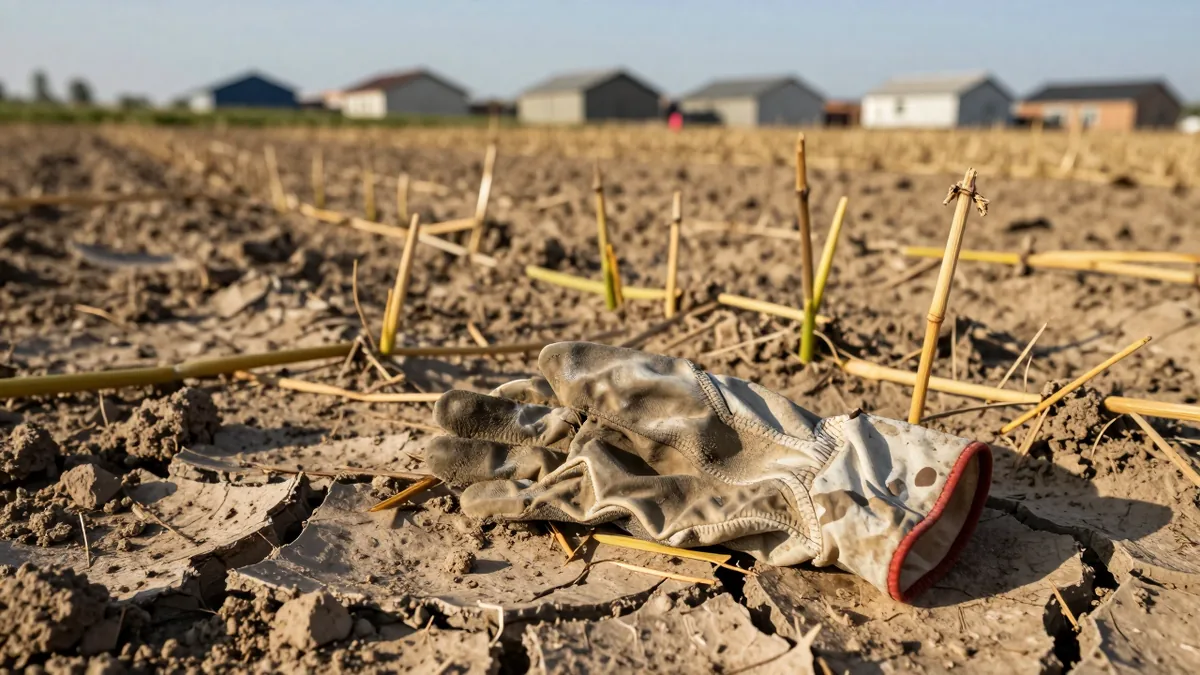
Canada's Migrant Agricultural Workers Face Exploitation and Abuse
Migrant farmworkers in Canada are subjected to harsh working conditions, verbal and physical abuse, and limited access to healthcare services.