Canada's Migrant Agricultural Workers Face Exploitation and Abuse
Migrant farmworkers in Canada are subjected to harsh working conditions, verbal and physical abuse, and limited access to healthcare services, according to reports from workers and advocacy groups.
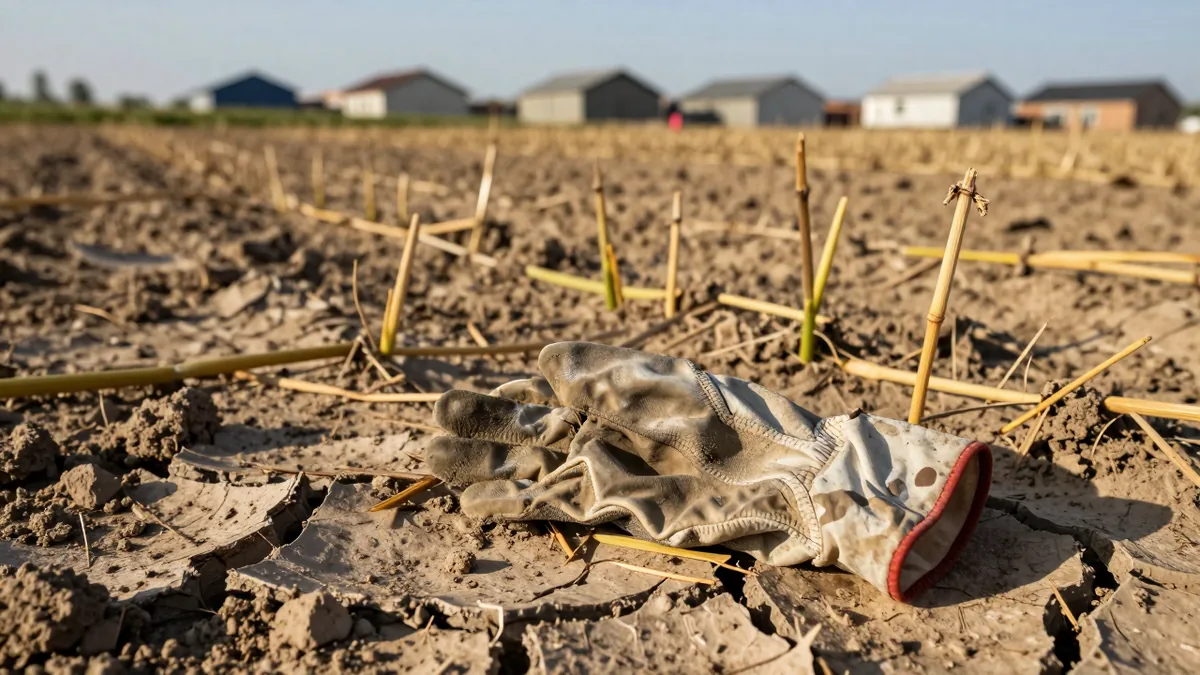
The Seasonal Agricultural Worker Program (SAWP) in Canada has been criticized for its treatment of migrant farmworkers. These workers, mostly from the Caribbean and Mexico, are recruited to work on Canadian farms for periods of up to eight months.
The working conditions faced by these workers are often harsh. They are often required to work long hours in difficult conditions, with little access to healthcare services. Many workers have reported being subjected to verbal and physical abuse by their employers.
One such worker is Conwade Bramwell, a 23-year-old Jamaican who worked on a farm in Ontario. Bramwell reported being forced to work long hours, with little rest, and being subjected to verbal abuse by his employer. He also reported being told to sign a letter that exempted his employer and the Canadian government from liability in case he contracted COVID.
Bramwell's experience is not unique. Many migrant farmworkers in Canada face similar challenges. A 2022 study published in the *International Journal for Equity in Health* found at least nine deaths among migrant agricultural workers in Ontario between 2020 and 2021.
The situation is exacerbated by the lack of benefits and insurance for migrant farmworkers. They often work long hours for low wages, with little access to healthcare services. Many workers have reported being forced to work in hazardous conditions, with little protection from their employers.
The Canadian government has been criticized for its handling of the SAWP. In 2022, the government established a special fact-finding team to investigate the working conditions of migrant farmworkers on Canadian farms. However, many workers and advocacy groups have criticized the government for not doing enough to address the issues faced by migrant farmworkers.
## Migrant Farmworkers Push for Permanent Residency
Migrant farmworkers in Canada have been pushing for permanent residency for decades. This would offer them some form of protection from abuse and exploitation. However, the Canadian government has been slow to act on this issue.
One migrant farmworker, Leonel Nava, a 49-year-old Mexican father of two, has been working in Canada since 2014. Nava has spoken out about the poor working conditions faced by migrant farmworkers and has advocated for permanent residency.
Under the SAWP, employers determine whether farmworkers' contracts are renewed or not. This indirectly discourages workers from speaking up for fear of being victimized or repatriated. However, some migrant workers have continued to speak out, inspired by the letter written by Jamaican farmworkers to Jamaica's minister of labour and social security in 2022.
## Advocacy Groups Call for Change
Advocacy groups, such as the Migrant Workers Alliance for Change (MWAC), have been working to address the issues faced by migrant farmworkers in Canada. The MWAC has called for the Canadian government to take action to address the exploitation and abuse faced by migrant farmworkers.
Syed Hussan, the executive director of the MWAC, has described the tactics used by employers to silence workers as "blacklisting." Hussan's organization has been working to advocate for the rights of migrants and farmworkers.
The situation faced by migrant farmworkers in Canada is complex and multifaceted. However, one thing is clear: something needs to change. The Canadian government must take action to address the exploitation and abuse faced by migrant farmworkers and ensure that they are treated with dignity and respect.
| Employer Response | | | --- | --- | | No evidence of mistreatment | Karl Samuda, Jamaica's minister of labour and social security | | Verbal abuse and poor living conditions | Jamaican farmworkers | | Blacklisting of workers who speak out | Employers and Canadian government | | Limited access to healthcare services | Migrant farmworkers | | High risk of death and injury | Migrant farmworkers |