Munich Security Conference 2026
| Founder | Ewald-Heinrich von Kleist-Schmenzin |
|---|---|
| First held | 1963 |
| Frequency | Annual |
| Typical month | February |
| Typical venue | Hotel Bayerischer Hof and Rosewood Munich |
| Location | Munich, Bavaria, Germany |
| Original purpose | To prevent military conflicts through dialogue among security policy leaders |
Origin and history
The Munich Security Conference originates from Munich, Germany. It was first convened in 1963, founded by Ewald-Heinrich von Kleist-Schmenzin as the Internationale Wehrkundebegegnung, or Münchner Wehrkundetagung. The founder, a resistance fighter, established the meeting with the explicit aim of fostering dialogue to prevent future military conflicts like the Second World War. The initial gathering in the 1960s was a relatively small event, limited to approximately sixty participants, including figures such as Helmut Schmidt and Henry Kissinger. Von Kleist led the conference until 1998, after which leadership passed to Horst Teltschik until 2008. The conference underwent a significant institutional evolution in 2008 when former diplomat Wolfgang Ischinger became chairman and the event received its current name, Munich Security Conference. In 2011, Ischinger established the Munich Security Conference GmbH non-profit company, which was later subsumed into the MSC Foundation in 2018, supported by an endowment from the German government and other donors.
What it is for
The Munich Security Conference serves as the world's largest annual independent forum for the exchange of views on international security policy. Its primary function is to convene senior global decision-makers, including heads of state, government ministers, military officials, and representatives from business, science, and civil society, to debate current and future security challenges. The conference operates under the guiding principle of "peace through dialogue" and is designed to facilitate discussions on the development of transatlantic relations, European security, and global security architecture in the 21st century. A key aspect of its purpose is the concept of "networked security," which encourages the analysis of interconnected security issues across geopolitical boundaries. It is explicitly a private forum for discussion and debate, not an official governmental event, and it does not produce binding agreements or a common final communiqué. The event also provides a discreet venue for critical background discussions between participants, though it has occasionally been used for public diplomatic actions, such as the exchange of New START treaty ratification instruments in 2011.
Pros and cons
A principal advantage of the Munich Security Conference is its unique role as a high-level, informal gathering that facilitates candid, off-the-record exchanges among adversaries and allies, which can pave the way for later formal diplomacy. The conference's private, non-binding nature allows participants to float ideas and gauge reactions without immediate political commitment. A significant drawback, however, is that its informality and lack of tangible outputs can lead to perceptions of it being merely a "talking shop" that generates media headlines but little substantive policy change. Participants from smaller or non-aligned states sometimes regret attending if they find the discourse dominated by major Western powers, potentially marginalizing alternative security perspectives. A common mistake for observers is to over-interpret a single speech or bilateral meeting at the conference as signaling a definitive policy shift, when such appearances are often calculated for diplomatic theater. Furthermore, the heavy corporate funding model, which grew significantly in the 21st century, raises ongoing questions about the influence of private interests on the agenda of a forum dedicated to public security policy.
Who it suits
The Munich Security Conference suits senior governmental and military officials from both NATO and non-NATO countries who require a neutral, high-profile platform to articulate national security positions and conduct informal diplomacy. It is particularly suited for transatlantic policymakers and European leaders for whom the consolidation of a unified Western stance on security threats remains a strategic priority. The forum also suits rising global powers, such as China and India, seeking to engage directly with established powers and to signal their role in the international security order. Academics, think-tank analysts, and business leaders in the defense and technology sectors find value in attending to network, gather intelligence on policy trends, and contribute to expert panels. Journalists covering global security rely on the conference as a major annual event that generates news and offers access to a wide array of officials. Ultimately, it best suits those actors who understand and leverage its unique blend of public spectacle and private negotiation, rather than those seeking a venue for conclusive, binding negotiations.
Latest Munich Security Conference 2026 news
Latest reporting

US and Partners Sign San Francisco Declaration on AI Supply Chains
The United States and nine partner nations signed the San Francisco Declaration on November 15, 2026, establishing a multilateral framework to secure...
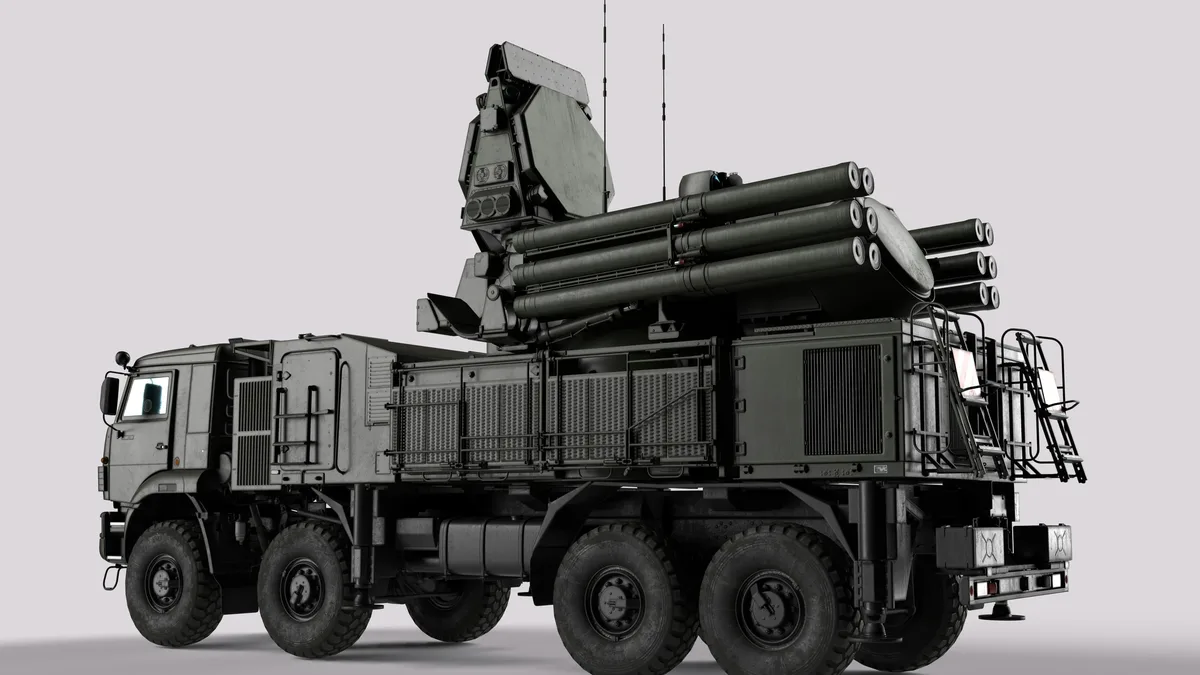
Iran Escalates in Strait of Hormuz, Destroys U.S. Radar in Bahrain
Iran's military destroyed a U.S. radar in Bahrain and attacked tankers in the Strait of Hormuz in November 2026, escalating regional tensions as...
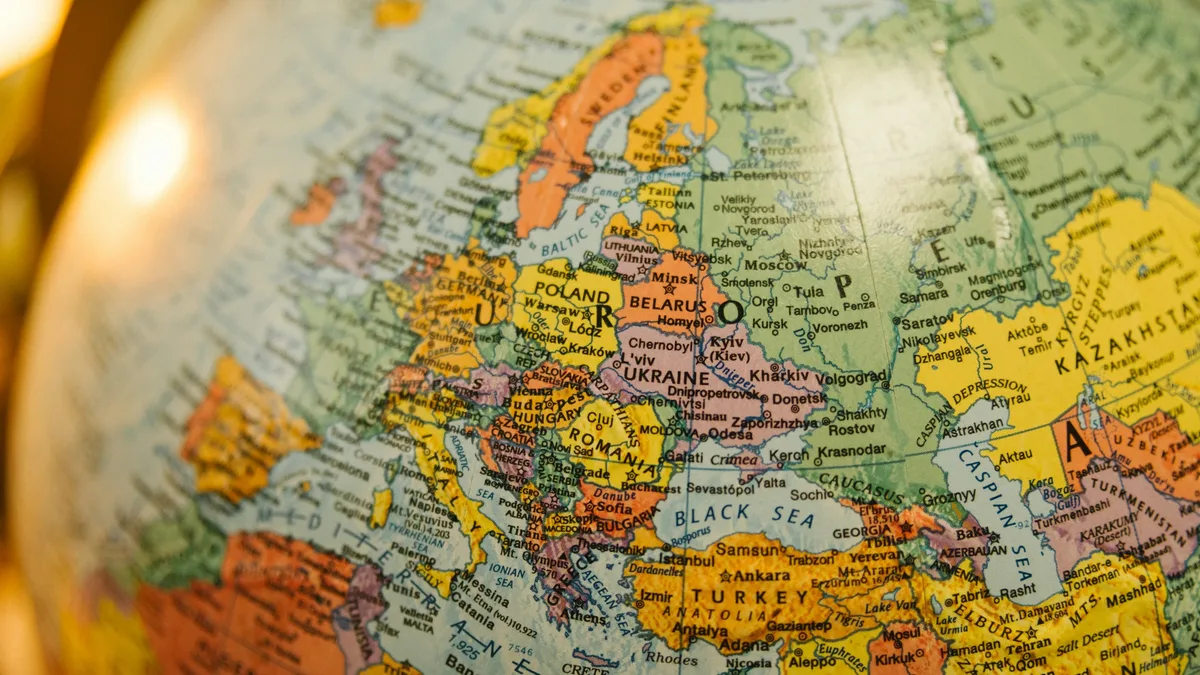
U.S. Envoys Seek European Role in Ukraine Peace Talks
After Abu Dhabi talks, U.S. negotiators push to include Europe in a new security framework, but Moscow rejects direct European participation amid...

Oleshky Ceasefire Marks First Humanitarian Success Since 2022
A six-day humanitarian ceasefire in Oleshky, Ukraine, mediated by First Lady Melania Trump and Pope Leo XIV, was successfully implemented on October...
US sanctions target Cuban military elites and energy networks
The United States imposed new sanctions on November 5, 2026, designating ten Cuban elites, state-owned entities, and foreign companies involved in...

Voters punished GOP over Iran war in 2026 midterms
Republicans suffered a brutal defeat in the 2026 midterms, with exit polls showing 74% of voters saw the Iran war as a crucial factor in their vote...