US Removes Syria from Terrorism Sponsor List
The US removed Syria from its State Sponsors of Terrorism list, allowing financial transactions and easing some sanctions.
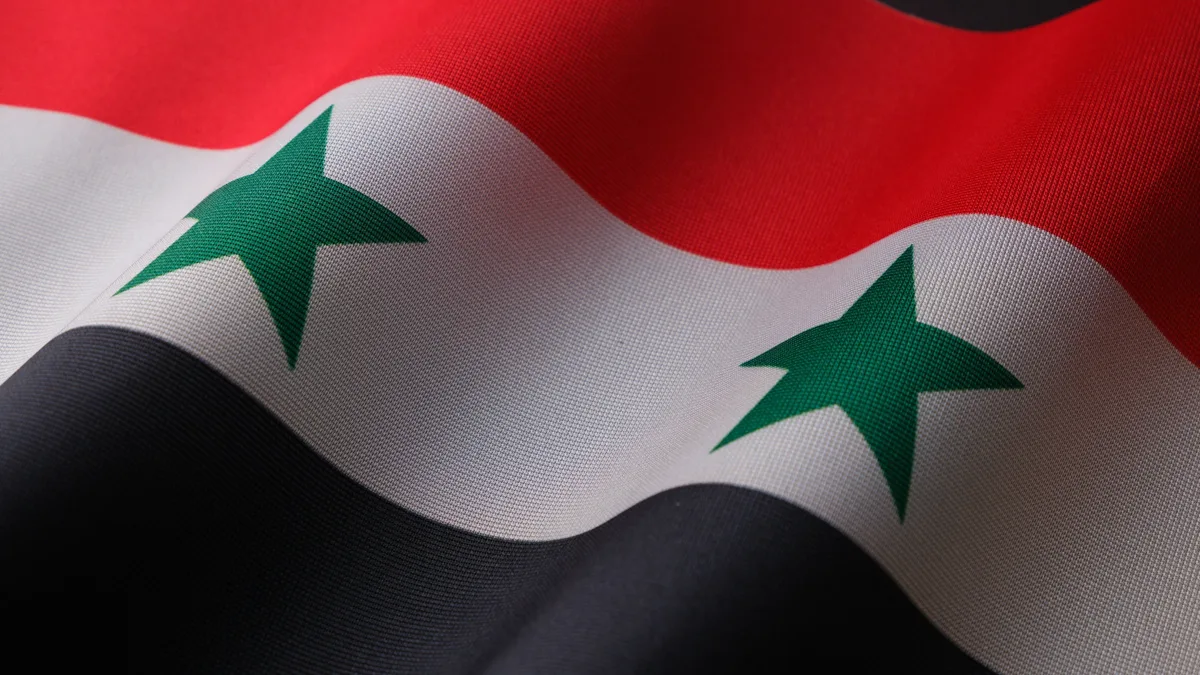
The US State Department removed Syria from its State Sponsors of Terrorism (SST) list on Monday, August 25, 2026. This action allowed Syrian leader Ahmed al-Sharaa to use a credit card to pay for coffee in a Damascus restaurant two days later, a transaction prohibited under the previous sanctions regime.
According to a report from the Atlantic Council, the removal of the SST designation and the revocation of the Specially Designated Global Terrorist (SDGT) label for the al-Nusrah Front, or Hay’at Tahrir al-Sham (HTS), eliminated a major barrier to Syria's economic integration. The move follows a period of warming relations between US President Donald Trump and al-Sharaa, who first met in May 2025.
Impact of the SST Designation
An SST designation carries extensive economic restrictions. These include bans or limits on trade, US foreign aid, and access to the global financial system. While military items are obviously restricted, bans can also cover dual-use technology and communications equipment.
The designation also creates unofficial hurdles. It discourages foreign investment due to concerns over transparency and terrorism financing. Legal advisors often recommend excessive caution, further limiting economic activity.
As of April 2026, three countries remained on the SST list:
Syria had been on the list since 1979, longer than any other current member.
The Path to Removal
The process for Syria's removal began on July 8, 2026, when the Trump administration notified Congress of its intent. A forty-five-day congressional review period followed, culminating in Monday's announcement.
A key parallel step was removing HTS from the SDGT list. This was crucial for the legitimacy of Syria's government, as al-Sharaa and many cabinet members were formerly part of HTS. This action allowed the Treasury's Office of Foreign Assets Control (OFAC) to remove HTS from the Specially Designated Nationals list.
These combined moves mean many previously prohibited transactions no longer require special licenses from OFAC.
Economic and Strategic Drivers
One potential reason for the move is competition with China. Data shows Chinese exports to Syria grew over 300%, from $33.3 million to $150 million, between June 2025 and June 2026. This growth, driven by technology sales, outpaced US exports.
The SST listing had hindered US and allied companies from selling dual-use items like electronics and telecom gear to Syria. All SST countries are placed in restrictive Country Group E for export controls, banning such exports without waivers.
US officials reportedly prefer Syria use Western technology over Chinese alternatives for national security reasons. A deal for Finland's Nokia to sell $30,000 of telecom equipment to the Syrian parliament was delayed for months until a US license was granted in June 2026, nearly pushing Syria toward China's Huawei.
Next Steps for Syria
Further regulatory changes are needed for full economic reintegration. The US Bureau of Industry and Security (BIS) must now remove Syria from Country Group E. An updated US government advisory states "further regulatory adjustments" are expected but gave no timeline.
A key question is whether Syria will be placed in less restrictive Country Group B, which includes neighbors like Jordan, Lebanon, Turkey, and Israel. Sudan was added to Group B a month after its SST removal in 2020.
Syria also faces outstanding US court judgments exceeding $31 billion under the "terrorism exception" to the Foreign Sovereign Immunities Act. More than a hundred additional cases are pending, with potential liabilities reaching an additional $100 billion.