U.S. Eases Drone Export Rules
The U.S. government has revised its export control regulations to streamline the process for exporting certain unmanned aerial vehicles.
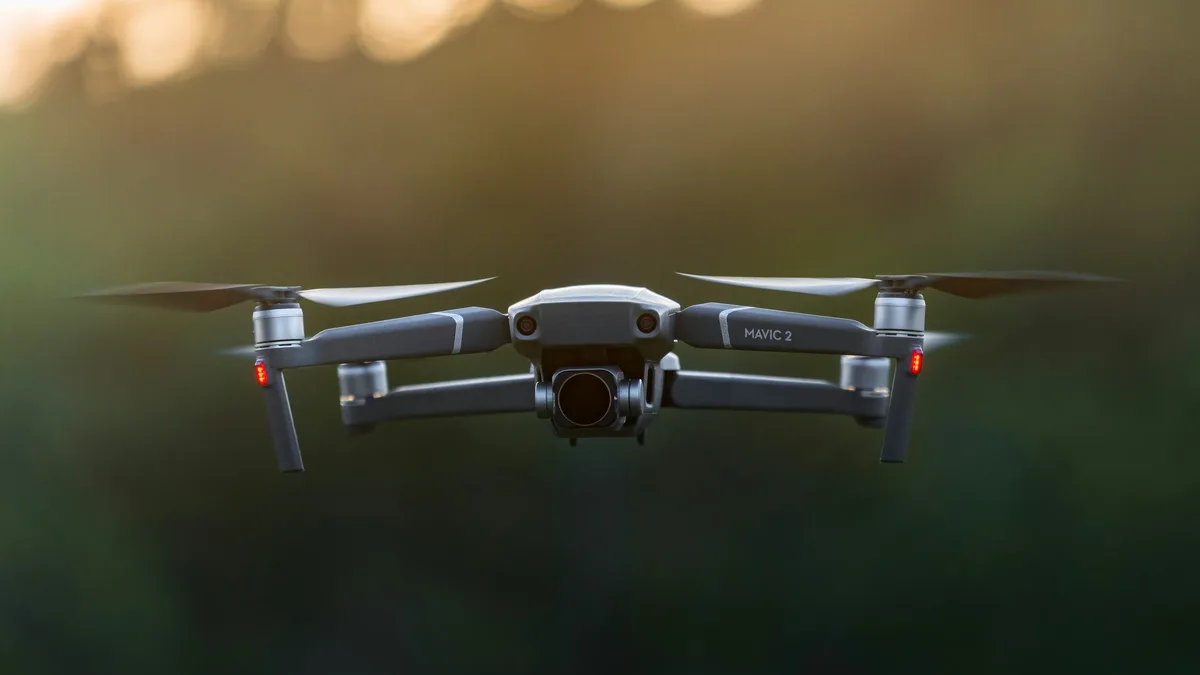
The U.S. Department of State has published a final rule amending the International Traffic in Arms Regulations. The change, effective from August 28, 2026, moves several categories of unmanned aerial vehicles from the restrictive USML to the more flexible Commerce Control List.
This regulatory shift is designed to simplify export procedures for allied and partner nations. The State Department stated the goal is to enhance interoperability with these countries while still maintaining appropriate oversight over critical military technology. The revision reflects an assessment that certain UAVs no longer warrant the strictest level of control.
Revised Control Categories
The rule specifically transfers control of drones and related components from Category VIII of the USML to new Export Control Classification Numbers on the CCL. The affected systems are those with a maximum airspeed of less than 800 kilometers per hour and an operating altitude below 50,000 feet. The government determined these performance parameters represent a threshold below which the national security and foreign policy risks are reduced.
Items removed from the USML will now be subject to the Export Administration Regulations administered by the Department of Commerce. Officials argue this creates a more tiered and predictable control system. It allows for closer alignment with the control lists of multilateral export control regimes.
Impact and Rationale
According to the Federal Register notice, the update aims to reduce administrative burdens for both U.S. exporters and foreign partners. The State Department contends that overly broad controls can hinder legitimate defense trade and cooperation. The change is part of a broader effort to modernize the U.S. export control system, ensuring it focuses on the most sensitive technologies.
The rule maintains controls on drones with higher performance capabilities or those equipped with specific weaponry. All exports will still require licenses, but the process for the transferred items is expected to be more efficient under Commerce Department jurisdiction. The government emphasized that the reform does not diminish the United States' commitment to non-proliferation.
The final rule was issued after a review process that considered public comments. The published document states the action supports U.S. national security and foreign policy interests by strengthening alliances. The regulatory text is available in the official Federal Register.