Kushner's Kremlin-Linked Ukraine Plan
A report by Casey Michel in Foreign Policy details how Jared Kushner presented a Ukraine peace plan to President Zelensky in late 2025 that closely
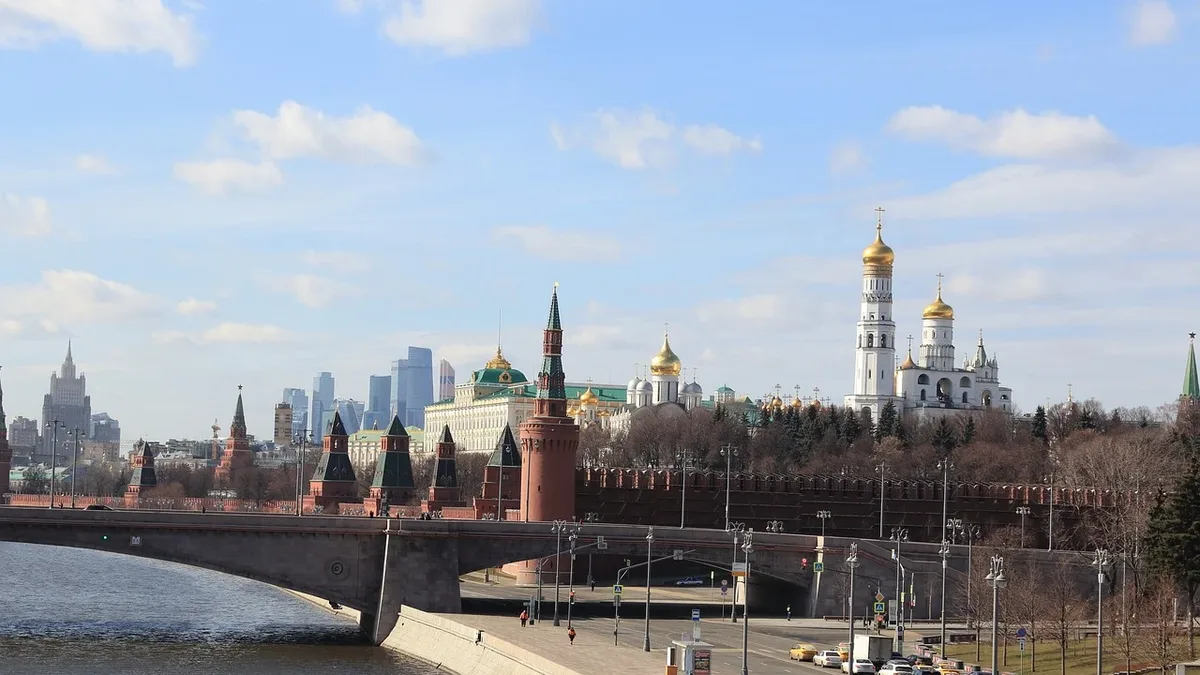
On November 16, 2025, Ukrainian President Volodymyr Zelensky received a speakerphone call from Jared Kushner. Kushner, former President Donald Trump's son-in-law, presented a series of demands for ending the war with Russia, which he stated were approved by the U.S. president.
The demands required Ukraine to accept new limits on its military, permanently forfeit NATO membership, and agree to the lifting of sanctions on Russia. Most controversially, Ukraine would have to formally cede Crimea and the entire Donbas region, including territories not occupied by Russian forces.
According to the Foreign Policy report, the plan had originated in Moscow. Journalists Christo Grozev and Michael Weiss later revealed that many of its most controversial conditions were contained in a Kremlin document circulated months earlier. Specific language appeared almost word-for-word from a text drafted solely by Kirill Dmitriev, a sanctioned Kremlin insider.
The Origins of the Plan
In late October 2025, Kushner and his partner Steve Witkoff met with Dmitriev in Miami for multi-day talks. Over intensive discussions, they assembled the points for the plan. In a leaked call, Dmitriev reportedly said he would informally pass Moscow's document to them so they could present it as their own.
The two documents were not identical. Some clauses were tweaked, expanded, or eliminated. However, many key concepts originated with the Kremlin, not with Kushner.
Implications for Global Stability
The report argues that Kushner's actions exemplify the rise of an American oligarchy influencing foreign policy. An unelected billionaire, subject to no oversight, was now dominating U.S. policymaking due to his family relationship.
The proposed plan established a dangerous new principle, according to the analysis. It pledged U.S. recognition of a nuclear power's right to carve up a non-nuclear neighbor. This signaled that Russia's nuclear bluffing had worked.
The author, Casey Michel, contends this lesson would not be lost on other non-nuclear states like Japan, South Korea, Poland, and Germany, who face nuclear-armed neighbors. He suggests this oligarchic influence, combined with other global factors, threatens to ignite a new age of nuclear proliferation. The story concludes with Kushner's involvement prompting ongoing protests in Albania over a fast-tracked real estate deal and his role in a Gaza ceasefire that expedited Israeli territorial goals.