Syria’s Sanctions Relief: Gains and Limits
Rob Geist Pinfold reviews the impact of U.S. and EU sanctions easing on Syria, noting new investment flows and the continued challenges of corruption and instability.
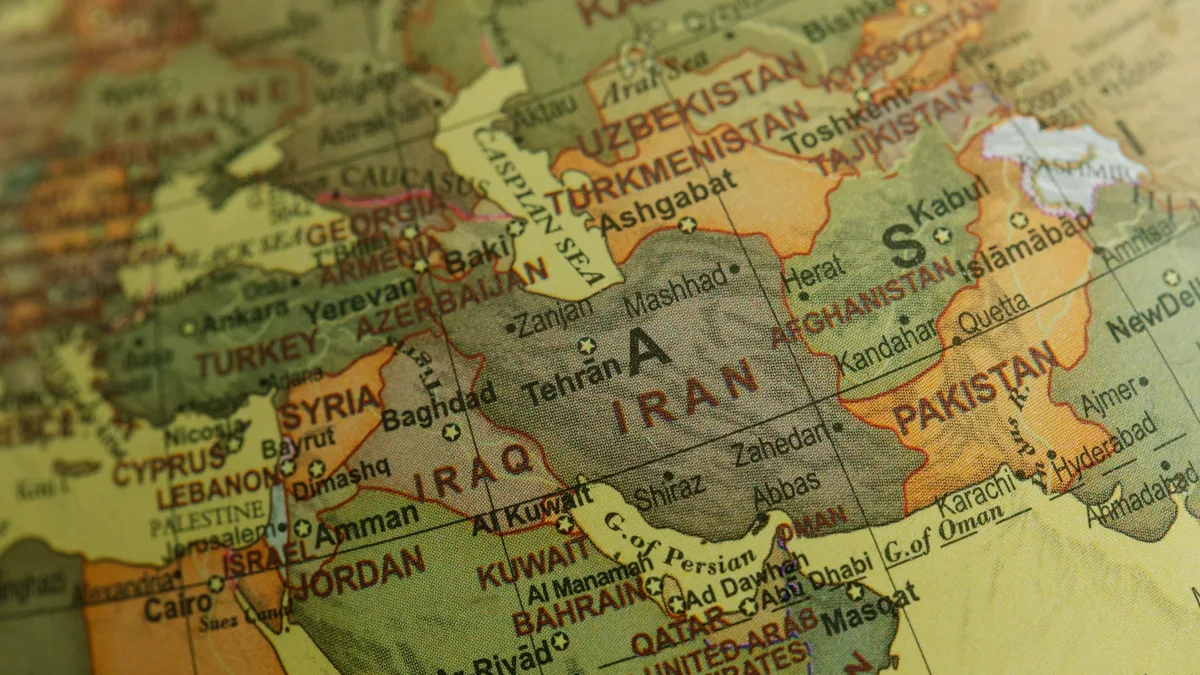
In 2026, Rob Geist Pinfold revisited his 2025 analysis of sanctions relief for Syria. He highlighted that the United States removed Syria from its terrorism sponsor list and that Saudi Arabia and Qatar cleared $15.5 million in arrears to the World Bank.
The article was published on War on the Rocks, where Pinfold originally argued that easing sanctions would be a key lever for the West to engage with the new Syrian government under President Ahmed al Sharaa.
Sanctions Relief Timeline
| Year | Actor | Action |
|---|---|---|
| 2025 | Trump administration | Terminated comprehensive sanctions program |
| 2025 | U.S. Congress | Repealed Caesar Act in December |
| 2025 | UK & EU | Followed U.S. sanctions easing |
| 2025 | Saudi Arabia & Qatar | Cleared $15.5 million arrears to World Bank |
The timeline shows how quickly the West moved to lift restrictions. The U.S. removed Syria from its terrorism sponsor list after the Caesar Act repeal, and the European Union and United Kingdom soon mirrored the U.S. approach.
Economic Impact
Following the relief, investors from Turkey and Gulf states signed deals with Damascus worth billions of dollars. The clearing of $15.5 million in arrears by Saudi Arabia and Qatar made Syria eligible for new financing after a 14-year suspension. These developments signal a tentative opening of the Syrian market to foreign capital.
However, the article cautions that the removal of sanctions does not automatically translate into a stable investment environment. Corruption remains a pervasive problem, and the bureaucracy is described as haphazard. These factors continue to deter many potential investors.
Persistent Challenges
Despite the easing of sanctions, Syria remains unstable. The country hosts an escalating jihadist insurgency, regime-remnant forces, and an Israeli occupation of parts of its territory. Additionally, a Druze separatist quasi-state operates in the region. These security concerns, coupled with the lingering bureaucratic obstacles, mean that the West’s engagement with Syria is still limited.
Pinfold’s reassessment underscores that while sanctions relief has opened a door for economic activity, it has not resolved the underlying political and security issues that define Syria’s relationship with the international community. The article ends by noting that President Ahmed al Sharaa’s leadership continues to be evaluated in light of these mixed outcomes.