U.S. Treasury Acts as Trump Policies
U.S. Treasury Secretary Scott Bessent has twice intervened in financial markets, citing concern over rising long-term bond yields.
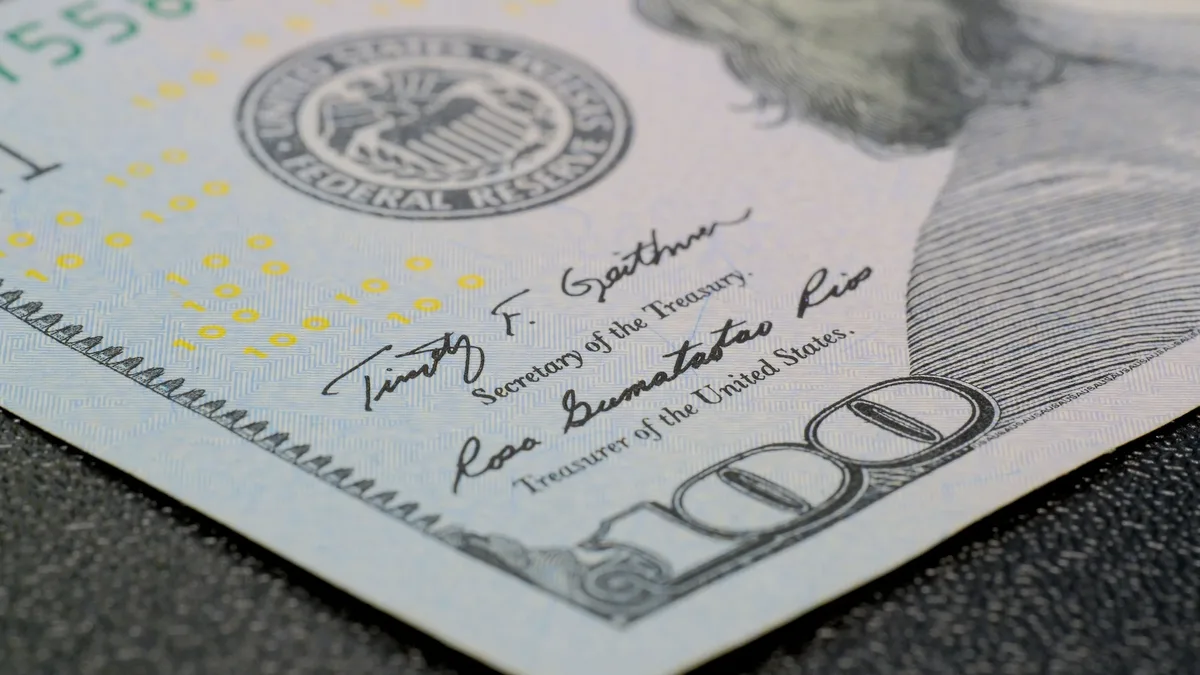
U.S. Treasury Secretary Scott Bessent has undertaken two rare market interventions in the past month. The moves are a direct response to rising U.S. government bond yields, with 30-year Treasury yields hitting 5.3%, a level not seen since 2007.
According to a report from Responsible Statecraft, the first intervention saw the U.S. Treasury join Japan in early August to support the yen, a step last taken in 1998. The second, announced late last week, involves potentially doubling the amount of long-dated Treasuries the government will buy back from holders.
The Global Yield Phenomenon
The rise in interest rates is a global phenomenon. Bond yields across developed economies tend to move in tandem. The Treasury's decision to assist Japan reportedly stemmed from a fear that a cycle of a weak yen, inflation worries, and higher Japanese yields could spill over into U.S. markets.
Market professionals cite several factors behind the trend. U.S. government debt has surpassed $40 trillion, with this year's fiscal deficit estimated at $2.1 trillion, or about 6% of GDP. Interest payments on the federal debt have reached a share of GDP last seen in 1990.
Concerns about Federal Reserve credibility are also a factor. While new Chair Kevin Warsh entered with a hawkish reputation, rates were held steady at his first meeting, a decision accompanied by three dissenting votes calling for increases. Persistent White House criticism of the central bank and efforts to oust Governor Lisa Cook have sparked investor worries about political interference in monetary policy.
Policy Shocks and Market Pressure
The report states that Trump administration foreign policy is significantly contributing to these market pressures. By increasing defense spending, imposing broad tariffs, and launching a war that closed the Strait of Hormuz, President Donald Trump is creating pressures that Treasury Secretary Bessent is now trying to manage.
Tariffs are estimated by the Yale Budget Lab to increase consumer prices by 0.7%. While seemingly small, this contributes to missing a 2.0% inflation target for a sixth straight year, pushing bond yields higher. The administration has argued tariffs boost government revenue, but they may also increase costs. With a $40 trillion debt stock, a mere 0.1% rise in interest rates adds $40 billion to annual payments.
Forcing allied nations to spend more on defense likely reduces the amount they can lend to the U.S. Foreign governments have also become less important as lenders to America, a shift attributed to their own spending needs and political misgivings. This leaves price-sensitive private investors playing a larger role, and they demand higher interest payments as inflation protection.
The Iran War's Triple Impact
The war with Iran has exacerbated bond market troubles on three fronts. It has further increased U.S. defense spending. It has caused physical damage and massive reconstruction needs in the Persian Gulf, reducing those states' capacity to invest in U.S. bonds. Finally, it has raised global inflation risks.
While crude oil prices have fallen from early war highs, diesel prices remain near decade highs. This reflects damage to refineries in the Persian Gulf and Russia, with costs likely feeding into trucking and agriculture.
The financial market impact has varied globally. Some Latin American currencies have been helped by distance from conflict and commodity exports. Conversely, oil-importing regions like South and Southeast Asia have faced difficulties, with India and Indonesia hit hard. India also reportedly suffers from concerns that its service export model could be disrupted by AI.
The path to calming inflation and fiscal worries, including in the U.S., appears to require a swift end to the war and a resumption of global energy flows.