Syria's Post-Assad Justice Efforts
A Just Security series examines Syria's complex transition following the 2024 fall of Bashar al-Assad, focusing on governance reform, accountability for
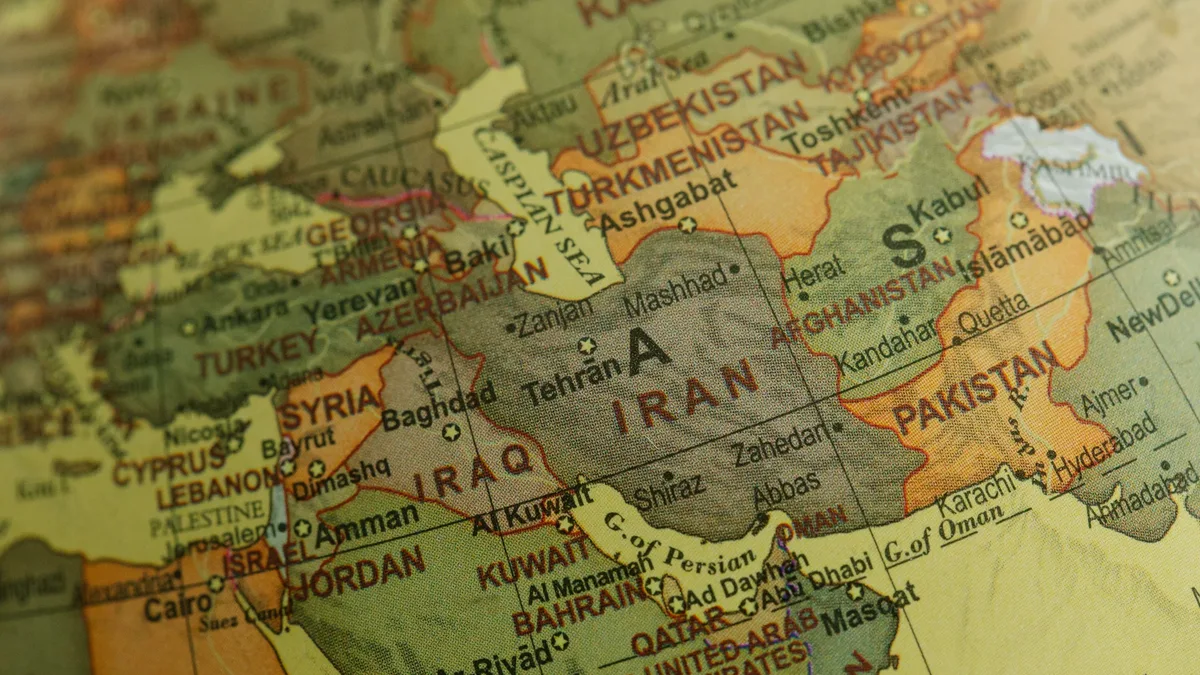
Former President Bashar al-Assad fell from power in December 2024 after a swift offensive led by the Sunni Islamist group Hayat Tahrir al-Shams. On January 29, 2025, former HTS leader Ahmed al-Sharaa was appointed as Syria's transitional president, inheriting a nation shattered by over a decade of civil war.
A new expert series curated for Just Security analyzes the immense challenges and high stakes of this period. The series explores the opportunities and potential pitfalls for Syria, the region, and the international community.
The Legacy of Conflict and Atrocity
The civil war, which began in 2011, involved a complex array of actors. These included the Assad regime with its Russian and Iranian allies, U.S.-backed Kurdish and opposition forces, Turkish troops, ISIS, and HTS itself.
Mass atrocities were a tragic hallmark. The conflict featured systemic torture, enforced disappearances, and extrajudicial killings. Indiscriminate attacks on civilians and infrastructure, the use of chemical weapons, and sexual violence were widespread. By 2016, opposition cities like Aleppo were so devastated by weapons like barrel bombs that aerial imagery resembled a lunar landscape.
Institutional Reforms and Accountability Frameworks
Dramatic institutional reform is seen as critical to address the fault lines that enabled past abuses. Both international and domestic frameworks for transition have been developed.
The 2015 UN Security Council Resolution 2254 sets a theoretical framework for a transition to credible, inclusive governance. It calls for a new constitution and free elections.
Domestically, Sharaa's March 2025 Constitutional Decree provides a potential foundation for prosecuting war crimes and genocide within Syria's domestic system. However, observers have criticized elements of the decree as an attempt to consolidate executive power. Two subsequent presidential decrees in May 2025 established new institutions focused on transitional justice. Parliamentary elections were held in October 2025, with reportedly mixed results regarding the inclusion of women and minorities.
Topics in the Just Security Series
The Just Security series covers a wide range of issues central to Syria's pivotal transition. Topics include accountability, reconciliation, and institutional reform. The series also examines constitutionalism, the lifting of sanctions, and the urgent situation of camps and prisons holding those accused of ISIS associations in northeast Syria.
Experts contributing to the series argue that now is not the time for the international community to look away. The articles listed in the source analyze specific aspects of this complex process, from sanction removal report cards to domestic-led accountability efforts and the search for the missing. The series will be updated with new articles in the coming months.